
5 Legal Steps to Handle a Car Accident
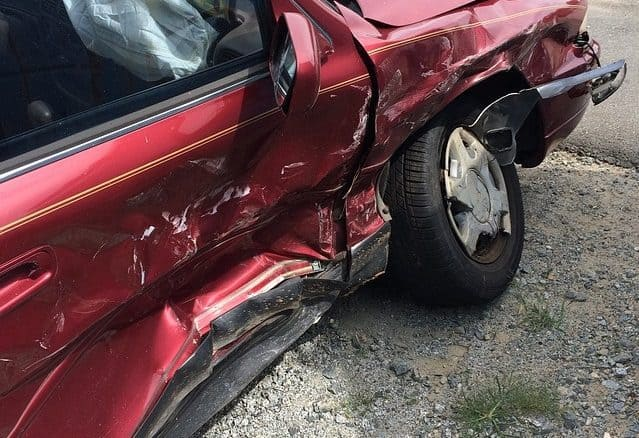
Millions of car accidents happen every year, and most drivers walk away from them making the same costly mistakes. They forget to document the scene, say the wrong thing to the other driver, or trust that the insurance company will do right by them. By the time they realize what went wrong, it’s often too late to fix it.
Bills pile up, insurance companies start calling, and suddenly you’re trying to remember what happened while also trying to heal. That’s why knowing these steps before you ever need them is so important.
Step 1: Stay at the Scene and Make Sure Everyone Is Safe
Leaving the scene of an accident is illegal in most places, even if you think the damage is minor. The first thing to do is pull over safely, turn on your hazard lights, and check if anyone is hurt.
Call 911 right away if there are injuries. Even if no one seems seriously hurt, it’s still smart to call the police. An official report creates a legal record of what happened, and that record can protect you later.
Don’t move injured victims unless there’s a risk of fire or another immediate danger. Moving someone with a spinal injury can make things much worse. Wait for emergency responders to handle that part.
Step 2: Gather Evidence at the Scene
This is the step most drivers skip because they’re shaken up or in a hurry. But the evidence you collect right after a crash is often the strongest evidence you’ll ever have.
Use your phone to take photos and videos of everything, including vehicle damage, road conditions, traffic signs, skid marks, and any visible injuries. The more detail, the better.
Here’s what to document and collect:
- License plate numbers of all vehicles involved
- Driver’s license and insurance details from the other driver
- Names and contact information of any witnesses
- The exact location of the crash, including street names or mile markers
- Badge number and name of the responding police officer
- Any visible damage to vehicles, property, or surroundings
- Weather and road conditions at the time of the crash
Don’t rely on memory alone. Adrenaline affects how you recall details, so write everything down or record a voice memo while you’re still at the scene.
Step 3: Be Careful About What You Say
“After a crash, emotions run high. It’s natural to want to apologize or explain yourself, but anything you say at the scene can be used against you later,” say the lawyers at the Costello Law Firm (https://thecostellolawfirm.com/)
Avoid saying things like “I’m sorry,” “I didn’t see you,” or “It was my fault.” Even if you feel responsible, fault is something that gets determined through an investigation, not a conversation on the side of the road.
Be polite but brief with the other driver. Stick to exchanging the necessary information. When the police arrive, answer their questions honestly, but don’t volunteer extra details or speculate about what caused the accident.
The same rule applies when talking to insurance companies. Adjusters are trained to find reasons to reduce your payout. Stick to the basic facts and avoid making any recorded statements without first speaking to an attorney.
Step 4: Seek Medical Attention Immediately
Even if you feel fine after the crash, see a doctor as soon as possible. Some injuries, like whiplash, concussions, and internal bleeding, don’t show symptoms right away. Waiting too long can put your health at risk and hurt your legal case at the same time.
Medical records serve as official proof that you were injured and that those injuries were connected to the accident. Without them, insurance companies can argue that you weren’t really hurt or that your injuries came from somewhere else.
Keep records of every doctor’s visit, prescription, physical therapy session, and medical bill. These documents become the foundation of any compensation claim you make. Don’t toss them, even if they seem minor.
If a victim in the accident is a child or an elderly passenger, pay extra attention to their symptoms in the days following the crash. Vulnerable individuals sometimes take longer to show signs of injury.
Step 5: Contact a Car Accident Attorney
This is the step most drivers put off, either because they think their case is too small or because they assume the insurance company will handle everything fairly. Both of those assumptions can cost you.
A car accident attorney helps you understand your rights, deal with insurance companies on your behalf, and make sure you don’t settle for less than what you actually deserve. Most personal injury attorneys work on a contingency basis, which means you don’t pay unless you win.
Time matters here too. Every state has a statute of limitations, which is a legal deadline for filing a personal injury claim. Miss that window and you lose your right to sue, no matter how strong your case is.
An attorney can also investigate the accident independently, gather additional evidence, consult with accident reconstruction experts, and negotiate with insurers who try to lowball settlement offers. Having legal representation levels the playing field significantly.
Why These Steps Matter More Than You Think
The moments after a car crash feel overwhelming, but every decision you make carries legal weight. Evidence disappears, witnesses forget, and insurance companies move quickly to close cases before victims fully understand their options.
Following these five steps doesn’t mean you’re being overly cautious or looking for a fight. It means you’re protecting yourself in a situation where the stakes are real. Medical bills, lost wages, vehicle repairs, and long term pain are things worth taking seriously.
The law exists to protect drivers, passengers, and pedestrians who get hurt through no fault of their own. But that protection only works when you know how to access it.
Take these steps seriously, document everything, and don’t navigate the legal side of a car accident alone. The right preparation and the right support can make all the difference when it matters most.