
5 Most Common Hunting Violations You Must Avoid
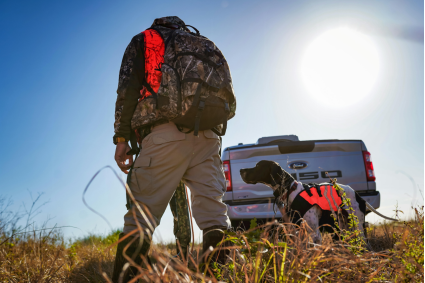
Hunting laws help to balance recreation with conservation. Most of the violations are unintentional and often arise from a lack of knowledge of the law. Even minor offenses could still result in fines, suspension of a license, or other legal consequences, making awareness of the hunting legal landscape crucial. Knowledge and information can help prevent hunting violations. Below are the five most frequent hunting violations to avoid.
1. Hunting Without a Valid License
Every hunter must have all the proper licenses to hunt. A license ensures you have met the legal requirements to hunt. It applies to both beginners and experienced hunters alike. Without one, you will be fined, have your hunting privileges revoked, and may not be allowed to hunt again.
Every jurisdiction has its requirements for getting a license. When in Florida, for instance, going through the Florida Hunting Regulations can help you understand the specific rules that apply. This includes:
- Age restrictions
- Hunter education requirements
- Permitted game species
- Seasonal dates
- Requires additional permits for certain animals
2. Ignoring Seasonal Restrictions
Outside of official hunting seasons, it is illegal to hunt game. This is due to reasons that are linked directly to the life cycle of the game and overhunting them. Authorities have a great need to protect breeding patterns and populations from decline.
Ignoring seasonal restrictions is a critical mistake to make due to the severe consequences of overhunting animals. It is important to confirm the seasons before planning your hunting trip.
3. Exceeding Bag Limits
The bag limit is the number of animals a hunter may possess in one given day or trip. There are a variety of limits imposed on various animals to maintain viable population numbers. Disregarding the bag limits leads to an imbalance in an ecosystem in the long term.
Hunters are required to record the species, location, and sex of their harvest per trip. A proper report of game harvested contributes greatly to the overall success of wildlife management. Honest recording helps avoid overharvesting due to inaccurate population data. Proper hunting etiquette goes a long way in encouraging sustainable hunting practices.
4. Trespassing on Private Property
Hunting without the consent of a private landowner can lead to fines and, in extreme cases, can lead to imprisonment. Most hunters think they can hunt any piece of land they come across that is not developed. However, there are still boundaries. When hunters go upon someone else’s private property illegally, they could be placing themselves at odds with landowners.
You should always obtain permission to hunt before going on privately owned land. The owner’s consent, which can be written, offers the same evidence that the permit was given by word of mouth. Always obey all no trespassing signs posted on the property.
5. Improper Use of Equipment
Regulations exist for the size of the weapons, as well as for the size of the shot or caliber. These restrictions were put in place to ensure fair play among hunters and the safe pursuit of game. Breaking rules about equipment can have extreme penalties.
Know what weapons and tools are appropriate for the game being sought. Update yourself about the laws before every trip, as hunting regulations can change. The appropriate use of equipment sends a message of accountability from your side, aligning with the large idea of wildlife protection.
Endnote
It is simple to avoid all the common hunting law violations. By doing so, hunters avoid being ticketed, fined, or having their license revoked. The responsible action of hunting ethically and according to the law aids conservation.