
Common Causes of Workplace Injuries and How to Prevent Them
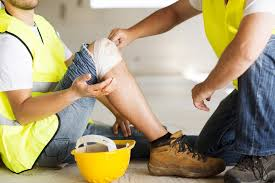
Workplace injuries remain a serious concern across industries, affecting employees, employers, and overall productivity. From construction sites and warehouses to hospitals and office buildings, accidents can happen in any work environment. While some injuries result from unavoidable hazards, many are preventable with proper safety measures, training, and awareness. Understanding the most common causes of workplace injuries is the first step toward prevention. When incidents do occur, workers often have questions about medical bills, lost wages, and their legal rights. However, prevention should always be the priority. Below are 7 of the most common causes of workplace injuries and practical steps employers and employees can take to reduce risks.
Slips, Trips, and Falls
Slips, trips, and falls are among the leading causes of workplace injuries across nearly every industry. Wet floors, uneven surfaces, loose cords, poor lighting, and cluttered walkways create hazardous conditions that can lead to sprains, fractures, back injuries, and even traumatic brain injuries. These accidents are especially common in warehouses, restaurants, hospitals, and construction sites, but they also occur frequently in office environments.
Preventing slips, trips, and falls requires proactive safety management. Employers should ensure that floors are kept clean and dry, spills are addressed immediately, and warning signs are posted when surfaces are wet. Proper lighting in hallways, stairwells, and parking lots can significantly reduce fall risks.
Overexertion and Repetitive Strain
Overexertion injuries occur when workers lift, pull, push, or carry heavy objects improperly. These injuries often affect the back, shoulders, and neck and can lead to chronic pain or long-term disability. Repetitive strain injuries, such as carpal tunnel syndrome, develop gradually due to repetitive motions performed over extended periods, especially in manufacturing, warehouse, and office settings.
Prevention starts with proper ergonomics and training. Employers should provide lifting training programs that teach employees safe techniques, including bending at the knees and avoiding twisting movements. Mechanical aids such as forklifts, carts, and lifting equipment should be readily available and maintained properly. In some situations, especially where negligence or third-party liability is involved, consulting a personal injury attorney in Bridgeport may help injured workers understand their options beyond workers’ compensation.
Falling Objects
In workplaces such as construction sites, warehouses, and retail stockrooms, falling objects pose a serious risk. Tools, materials, and merchandise stored improperly can fall from shelves, scaffolding, or elevated platforms. These incidents may result in head injuries, fractures, or severe lacerations, particularly if employees are not wearing proper protective equipment.
Preventative measures focus heavily on secure storage and proper stacking procedures. Employers should ensure that heavy items are stored on lower shelves and that shelving systems are stable and well-maintained. On construction sites, securing tools and materials with guardrails and toe boards can prevent items from falling.
Machinery and Equipment Accidents
Machinery-related injuries are common in manufacturing, construction, and industrial settings. Workers may suffer injuries due to malfunctioning equipment, lack of safety guards, inadequate training, or failure to follow lockout/tagout procedures. These accidents can lead to serious consequences, including amputations, crushing injuries, and burns.
Preventing machinery accidents requires strict adherence to safety standards. Employers must ensure that all machines are equipped with proper safety guards and emergency shut-off systems. Regular maintenance and inspections help identify defects before they cause harm. Comprehensive training programs should educate employees on proper equipment use and emergency procedures.
Vehicle-Related Accidents
Workplace vehicle accidents can occur in industries involving transportation, construction, or warehousing. Forklift collisions, delivery truck accidents, and company vehicle crashes often result in serious injuries. Poor driver training, distracted driving, and inadequate vehicle maintenance frequently contribute to these incidents.
Prevention involves comprehensive driver training and strict safety policies. Employers should verify that employees operating vehicles are properly licensed and trained. Regular maintenance schedules ensure vehicles remain in safe working condition. Clear traffic patterns in warehouses and construction zones can minimize collisions.
Exposure to Harmful Substances
Employees in healthcare, manufacturing, agriculture, and cleaning services may be exposed to hazardous chemicals, toxic fumes, or biological materials. Prolonged exposure can lead to respiratory problems, skin conditions, or long-term illnesses. In some cases, the effects may not appear until years after exposure.
To prevent exposure-related injuries, employers must comply with safety regulations and provide appropriate protective gear such as gloves, masks, and respirators. Proper labeling and storage of hazardous materials are essential. Safety Data Sheets (SDS) should be readily accessible to employees.
Workplace Violence
Workplace violence, including physical assaults, threats, and harassment, is an increasing concern across many industries, particularly healthcare, retail, and public service. These incidents can result in both physical injuries and emotional trauma, affecting overall workplace morale and safety.
Preventing workplace violence requires a combination of policies, training, and environmental design. Employers should establish clear reporting procedures and zero-tolerance policies for violent behavior. Security measures such as surveillance systems, controlled access points, and adequate lighting can deter potential threats.