
DUI Accident Evidence That Strengthens Your Injury Case
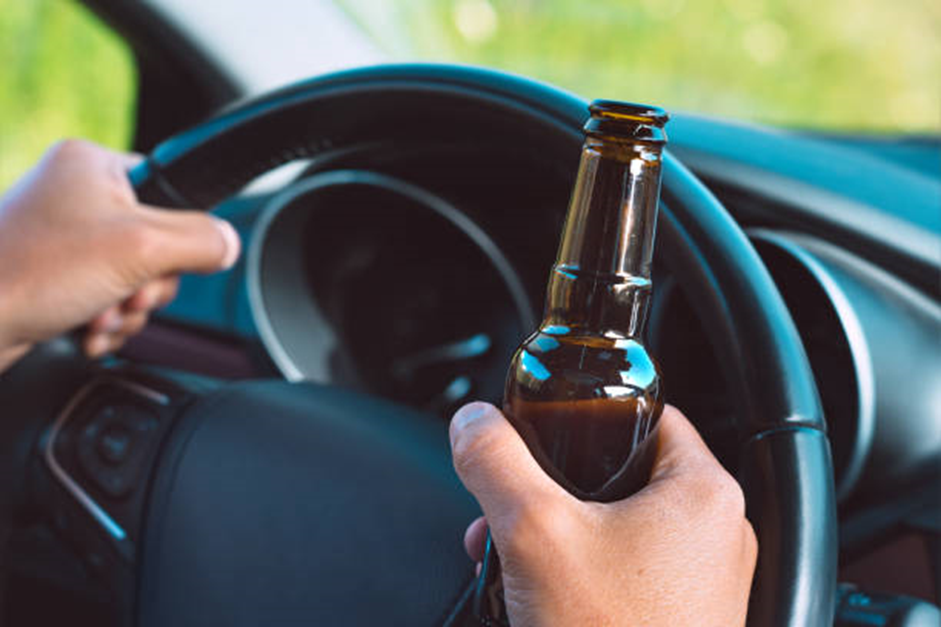
When someone gets hurt because another driver was drunk, having the right proof can change everything. Evidence is what shows the accident really went down the way you say it did. Without it, even if it feels obvious what happened, your case can fall apart. Gathering everything that shows what went on makes getting justice way easier.
In DUI accidents, people get hurt, cars get wrecked, and sometimes it’s messy and hard to remember the details. That’s why you need strong evidence from the very start.
Stuff like police reports, witness statements, and medical records; all of it matters. Even the small stuff counts. Where the skid marks were. Whether alcohol was in the car. Every detail can tell the story better than words alone.
What Evidence Can Strengthen Your Injury Case in a DUI Accident?
Here is the evidence you’ll be needing to make your injury case rock solid in a DUI accident:
Police Reports
Police reports are like the official story that the police write down after they see the crash. Officers usually come to the scene and write what they saw. They include the date, the time, where it happened, and what the driver was doing.
They might notice if the driver was slurring words, smelled like alcohol, or acted really weird. All of that can help show the driver was drunk.
The report also includes things like field sobriety tests or breathalyzer results. These tests show blood alcohol content, or BAC. If the BAC is over the legal limit of 0.08%, it proves the driver was drunk.
The report can also include witness statements and notes about the car damage. All these pieces together tell a story of what happened, and they are very important for making a strong case.
Eyewitness Statements
Sometimes there are other people at the crash. They might have seen the driver swerve, run a light, or crash into someone. These people can tell exactly what they saw. Their statements help show the driver was acting recklessly and that the accident wasn’t your fault.
When you are talking to people who could be potential witnesses, don’t forget to jot down their contact details. After that, ask them to remember what they saw. If possible, get a recorded statement. That would come in really handy if their memory fails them before it’s time to go to court.
Medical Records
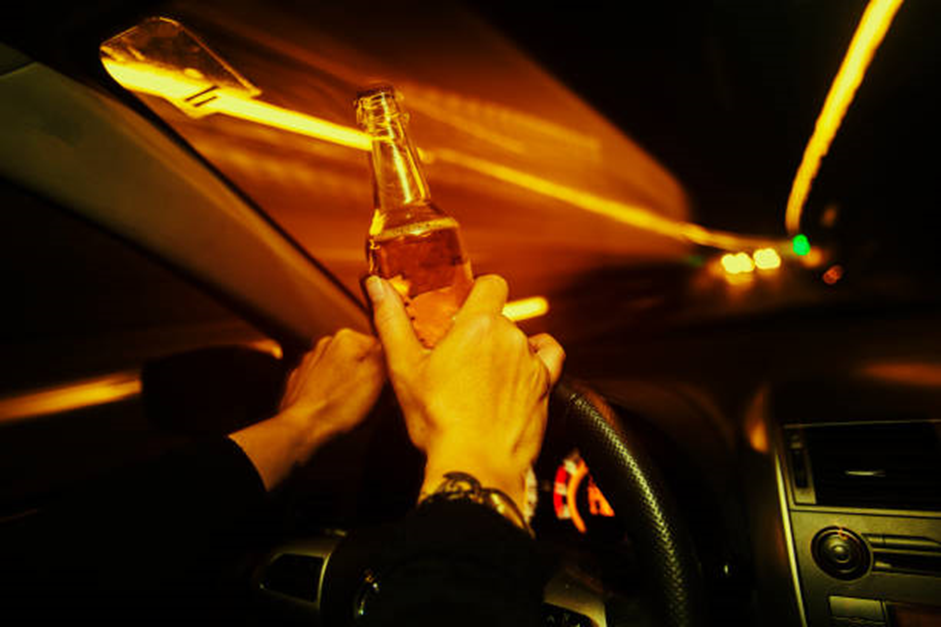
When someone gets hurt, the doctors’ notes are proof. Hospitals write down what injuries happened, what treatments were needed, and how bad the pain is. These records include bills, prescriptions, and therapy sessions.
Medical records also show if someone will have long-term problems from the accident. If injuries stop someone from working or doing normal things, that’s part of the claim too. Every record makes the case stronger because it shows exactly how the crash hurt someone.
Dashcam and Video Evidence
Cameras can be a lifesaver. Dashcams in cars or cameras on buildings sometimes capture the crash. The video shows what happened in real time. You can see the driver swerving, the impact, and the damage.
The video is strong because it doesn’t lie. It shows the accident from start to finish. Even if witnesses forget small things, the video doesn’t. If you can get footage, give it to a lawyer as soon as possible so it doesn’t get erased.
Expert Testimony
Sometimes accidents are too complicated to explain easily. Experts can help with this. Accident reconstruction specialists look at the scene and explain how it happened.
Medical experts explain injuries and recovery. Economic experts explain the money lost because of injuries.
The jury can trust what the experts tell them. And if they say that the accident happened because of the driver’s drinking, then you’re likely to get a good settlement. All you have to do is get an expert who is credible and eloquent.
Driver History
If the driver has a past record of DUI or reckless driving, that matters. It shows they have been careless before. Courts can see a pattern and understand the risk that you actually faced.
History matters, and if the driver has a bad one, it could work in your favor. Let the court see that this driver has been careless before. This is not their first rodeo, and with no deterrence, it would not be their last.
Prior offenses or a history of ignoring laws make a stronger case. It also explains why compensation for injuries is fair. The more serious the driver’s history, the stronger the evidence that the crash was caused by their negligence.
Key Takeaways
- You need police reports to show a full account of the accident. It is the most detailed piece of evidence in your case.
- Witnesses can stand in court to give an unbiased account of what transpired.
- BAC tests are the legal standard for determining if the driver was drunk or not.
- Make sure to take photos and videos, if you can, to show the court what the scene looked like at the time of the accident.
- There’s no such thing as too much evidence. Gather as much as you can to increase your chances of success in court.