
Common Accidents and Your Legal Rights: A Comprehensive Guide
Key Takeaways
- Motor vehicle accidents represent the highest number of personal injury claims nationwide.
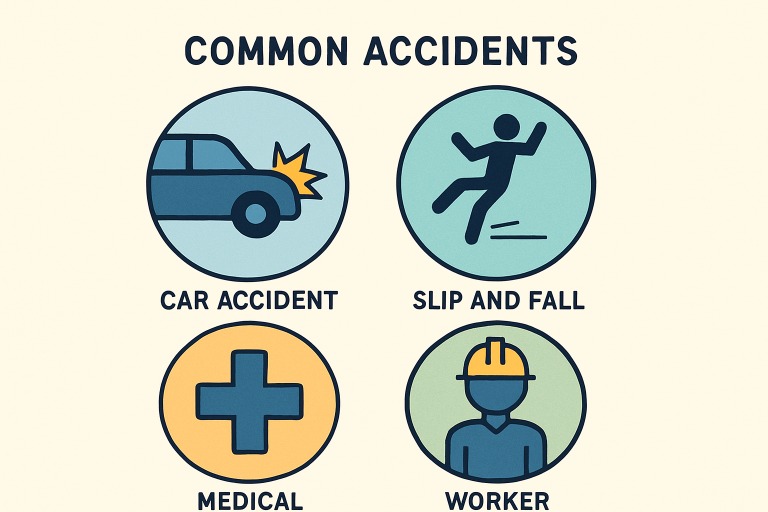
- Incidents such as medical malpractice and slip-and-fall accidents are also major contributors to personal injury litigation.
- Being aware of your legal rights is paramount to obtaining proper compensation and maintaining peace of mind during recovery.
Table of Contents
- Motor Vehicle Accidents
- Medical Malpractice
- Slip-and-Fall Incidents
- Workplace Injuries
- Product Liability
- Dog Bites
- Legal Rights and Steps to Take
- Conclusion
Accidents can turn lives upside down in an instant. Whether they happen on the road, at work, or even in your own neighborhood, the immediate aftermath can be overwhelming. Many people feel lost, facing not only physical injuries but also mounting financial pressures and emotional distress. If you or a loved one has experienced a personal injury, understanding your legal options is vital to protecting your future. If you are seeking guidance after an accident, consulting a San Jose injury attorney can help you navigate these challenging times and secure the support you need.
Knowing what types of accidents are most common and the laws that protect you can make a significant difference in the outcome of your recovery and any potential claims. The proper knowledge could help you secure the compensation you deserve and hold the responsible party accountable, making it essential to stay informed in the event of the unexpected.
For a deeper understanding of how personal injury laws function nationwide and what resources are available to victims, you can also refer to the Nolo personal injury guide, which covers many general rights and steps you can take following an accident.
Motor Vehicle Accidents
Motor vehicle accidents are one of the most common sources of personal injury claims. Collisions involving cars, trucks, motorcycles, and even pedestrians occur frequently, causing injuries that range from minor cuts to life-altering trauma. Factors such as distracted driving, excessive speed, impaired driving, and weather conditions contribute to these accidents. According to data from the National Highway Traffic Safety Administration, millions of accidents occur annually, resulting in substantial medical and financial losses for victims. Establishing fault is crucial, as the at-fault party’s insurance typically covers damages caused by the accident.
Common Injuries and Legal Implications
Those involved in motor vehicle accidents might suffer from whiplash, broken bones, concussions, or long-term disabilities. Victims can pursue compensation for medical care, lost wages, pain, and suffering. Legal claims often hinge on demonstrating the responsible driver’s negligence, requiring the timely collection of evidence from the accident scene, medical records, and eyewitness statements.
Medical Malpractice
Medical malpractice occurs when a healthcare provider fails to meet the expected standard of care, causing harm. Common examples include misdiagnosing an illness, performing surgical errors, prescribing the wrong medication, or neglecting to provide proper consent for procedures. For victims, the impact can be devastating, with extended recovery times, loss of trust in medical professionals, and significant additional expenses.
To prove medical malpractice, you must show that a healthcare provider’s negligence directly resulted in injury. This often involves reviewing complex medical records and obtaining expert testimony to establish what a competent professional would have done differently in similar circumstances. These cases can be challenging and require experienced legal representation.
Slip-and-Fall Incidents
Slip-and-fall accidents frequently occur in public areas, workplaces, and private properties. Hazards such as wet floors, uneven pavement, poorly lit stairwells, and cluttered walkways put people at risk. Property owners have a legal responsibility to keep their premises safe for visitors and to promptly address hazards. When they fail to do so, victims may be entitled to compensation for injuries caused by the owner’s negligence.
Establishing Liability
To hold a property owner liable, the injured party must demonstrate that the owner knew or should have known about the dangerous condition and failed to fix it. Thorough documentation, scene photos, and witness reports often play a crucial role in these claims.
Workplace Injuries
Work-related injuries include falls, machinery accidents, repetitive-motion injuries, and more. Federal and state laws require employers to provide a safe working environment, with the Occupational Safety and Health Administration’s regulations outlining specific safety standards. If an employee sustains an injury while performing work duties, workers’ compensation programs offer medical benefits and a portion of lost wages, regardless of fault.
Severe workplace accidents may also give rise to additional legal action if gross negligence or safety violations are involved. You can read more about employee rights under workers’ compensation on the OSHA website.
Product Liability
When products fail due to design defects, manufacturing mishaps, or insufficient warnings, consumers can suffer significant harm. Manufacturers, distributors, and retailers may all be held responsible if their negligence results in injury. Examples include malfunctioning automotive parts, unsafe toys, and contaminated food products. Product liability law enables injured individuals to seek damages for medical costs, lost income, and other losses resulting from dangerous goods.
Dog Bites
Animal attacks, particularly dog bites, can cause traumatic injuries, especially for children and the elderly. Laws regarding dog owner liability vary by state. Still, many jurisdictions impose strict liability: the owner is responsible for injuries caused by their pet, regardless of whether they had prior knowledge of the pet’s aggression. Additional damages may be sought if negligence, such as failing to restrain the animal, is demonstrated.
Legal Rights and Steps to Take
If you are involved in a contract, understanding your rights and acting quickly are crucial to protecting your interests. Immediately seek medical help for your injuries, even if they seem minor, to provide a documented medical record. Document the circumstances, gather photos, and, when possible, collect contact information from witnesses.
- Seek immediate medical attention for injuries.
- Document the incident thoroughly (including photographs, written accounts, and witness information).
- Contact a qualified personal injury attorney who can evaluate your case and guide you through filing insurance claims or personal injury lawsuits.
For more details on navigating personal injury cases and your rights after an accident, this personal injury guide can help you get started.
Conclusion
Accidents often come without warning, but understanding the types of personal injury cases and the fundamental legal principles involved can help victims take the proper steps after an incident. Take the time to educate yourself on your rights, document events thoroughly, and seek professional legal help to maximize your recovery. Prioritizing safety and being informed is the best approach to safeguard your well-being and peace of mind.