
How Contamination Cases Affect Public Health
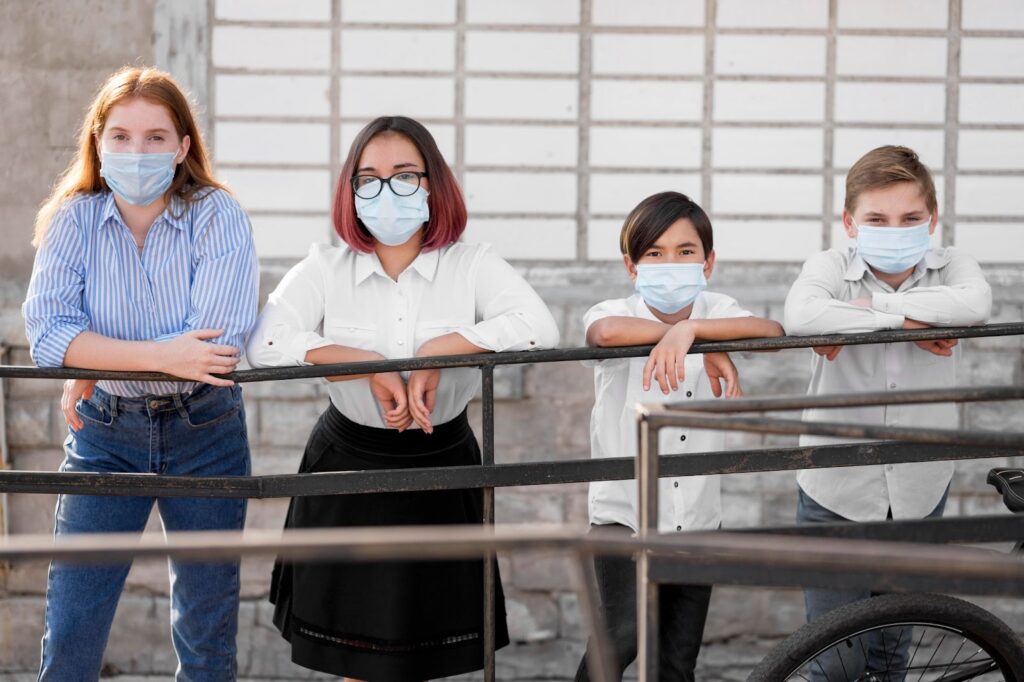
We trust that the water we drink, the food we eat, and the air we breathe are safe. But when contamination happens, that trust is shaken. Harmful chemicals, bacteria, or waste can enter our daily lives without warning, putting families and entire communities at risk.
Contamination cases are not just legal issues, they are serious public health concerns. They can lead to illness, long-term health problems, and fear within neighborhoods. Understanding how these cases affect public health helps us see why quick action and strong safety rules matter. In this blog, we’ll break down what contamination means and why it impacts us all.
The Direct Link Between Contamination and Public Health
Environmental pollutants refuse to stay put. They move. Water carries them. Soil absorbs them. Air transports them. Eventually, they end up inside human bodies. That’s not theory, it’s the documented pathway connecting environmental quality directly to whether communities thrive or get sick.
Understanding Environmental Contamination Types
Look at contamination cases examples and you’ll see threats arriving from every direction. Your water system might be harboring lead, PFAS chemicals, or bacterial pathogens you can’t see or taste. Every breath you take potentially carries particulates and volatile compounds into your lungs. That soil in your backyard? If there’s an old industrial site nearby, toxins could be leaching into your groundwater and those tomatoes you’re growing.
Different contaminants behave differently, which matters. Heavy metals are sneaky ,they accumulate slowly in your tissues over years. Biological contaminants hit fast, triggering immediate infections and illness. Radiological exposure from nuclear events? That creates damage that persists for decades, affecting generations not yet born.
Immediate and Long-Term Effects of Contamination on Health
The effects of contamination on health span an alarming spectrum. Some people get poisoned suddenly. Others develop diseases years after exposure ends. The CDC estimates that 1 in every 6 Americans gets sick every year from contaminated food or beverages .We’re talking over 50 million people annually facing gastrointestinal nightmares, hospital stays, or death.
But acute poisoning isn’t the scariest part. Long-term exposure creates problems that emerge gradually, quietly. Cancer clusters form near industrial facilities. Kids exposed to lead face permanent cognitive damage that no treatment can reverse. Communities near contaminated military installations show elevated rates of thyroid disease, reproductive failures, and immune system dysfunction that continues even after cleanup efforts begin.
Contamination Cases Examples That Changed Public Health Policy
Historic contamination disasters didn’t just sicken people ,they fundamentally reshaped how we approach environmental protection and victim compensation. These landmark cases prove both the devastating human toll of pollution and why legal recourse matters desperately for affected communities.
The Flint Water Crisis
Flint’s 2014 catastrophe exposed over 100,000 residents to dangerous lead levels after officials switched water sources without proper treatment protocols. Children’s blood tests came back positive for elevated lead, causing irreversible neurological harm. This crisis exposed how government negligence can literally poison an entire city, with low-income communities bearing the worst impacts.
PFAS Contamination Epidemic
“Forever chemicals” isn’t just a catchy nickname. PFAS have contaminated drinking water nationwide, especially near military bases and industrial facilities. These synthetic compounds refuse to break down ,not in the environment, not in your body. They just accumulate over decades. Research now links PFAS exposure to kidney cancer, testicular cancer, thyroid disease, and pregnancy complications.
If contaminated water exposes you to PFAS, specialized legal representation becomes critical. These claims require navigating complex scientific evidence, and working with a PFAS Lawyer can make it easier to connect your exposure history to your diagnosis while building a compelling case. Environmental contamination lawyers understand the challenges of establishing liability when multiple pollution sources contribute to water problems.
Camp Lejeune Water Contamination
Between 1953 and 1987, Marines and their families stationed at Camp Lejeune drank water contaminated with industrial solvents. Decades later ,sometimes 30 or 40 years later ,veterans and family members developed cancers, neurological disorders, and other devastating conditions. Congress eventually passed legislation allowing victims to file claims, finally recognizing the government’s responsibility for this massive public health crisis from contamination.
How Contamination Spreads Diseases and Health Conditions
Pollutants ignore boundaries. They move through interconnected environmental systems, creating multiple pathways that threaten public health. Recognizing these transmission routes helps you identify risks before they cause harm you can’t reverse.
Waterborne Disease Transmission
How contamination spreads diseases through water remains among the most common exposure routes globally. Bacterial pathogens, E. coli, Legionella, Cholera, thrive in compromised water systems. These microorganisms cause immediate gastrointestinal illness, respiratory infections, and sometimes death in vulnerable populations like children and the elderly.
Food Chain Contamination Pathways
Contaminated soil and water don’t just affect what you drink ,they compromise your entire food supply. Crops pull heavy metals like cadmium and arsenic straight from polluted soil. Livestock grazing near industrial sites accumulate toxins in their tissues. Fish from contaminated waterways concentrate mercury and other pollutants that transfer directly to you when you eat them.
Public Health Response and Prevention Strategies
Protecting communities from contamination demands coordinated efforts across government agencies, healthcare systems, and individual households. Effective prevention starts with robust monitoring paired with enforcement ,plus personal protective measures you control.
Government Regulatory Framework
The EPA sets drinking water contamination standards, though enforcement quality varies wildly by region. State health departments monitor disease patterns trying to identify contamination-related illness clusters. OSHA establishes workplace exposure limits meant to protect employees from occupational hazards.
Protecting Your Family From Contamination Exposure
Don’t wait for government action to protect your household. Test your drinking water annually, especially if you rely on private wells or live near industrial sites. Install appropriate filtration systems targeting contaminants specific to your area ,not all filters remove all pollutants.
Improve indoor air quality through proper ventilation and air purifiers. When buying produce, learn which items typically carry higher pesticide residues and prioritize organic options for those foods. Stay informed about local contamination incidents through community health alerts and news monitoring.
Create an emergency plan for contamination events like chemical spills or water advisories. Keep bottled water stored. Know how to shelter in place if airborne contaminants threaten your neighborhood.
Common Questions About Contamination and Health
What are the public health issues caused by environmental problems?
Pollutants in the environment or climate-related events can have a massive impact on our health. Air and noise pollution, and heavy metals like mercury are directly related to health issues like asthma, hearing loss, dehydration and heart diseases.
How long does contamination exposure take to cause health problems?
Timing varies dramatically by contaminant type. Bacterial pathogens cause illness within hours or days. Chemical exposures might trigger cancers decades later. Lead poisoning symptoms can appear within weeks in children but cause lifelong cognitive impairment.
Can you recover compensation for contamination-related illnesses?
Yes, if you can prove exposure caused your condition. Personal injury claims, class actions, and government compensation programs provide paths to recovery. Time limits apply, so consult specialized attorneys quickly after diagnosis to preserve your rights.
Taking Action Against Contamination Threats
Environmental contamination isn’t slowing down ,it’s evolving with new chemical threats and climate disruptions that mobilize buried toxins. Understanding the connection between contamination and public health empowers you to protect your family through informed choices about water, food, and air quality.
Historic cases prove legal accountability is possible when corporate or government negligence harms communities. Don’t ignore unexplained health problems that might signal environmental exposure. Test your surroundings, document symptoms, and seek legal counsel if contamination has compromised your wellbeing. Your vigilance today prevents tomorrow’s health crisis.