
Essential Divorce Documents You’ll Need for Filing
Table of Contents
- Personal Documents
- Financial Records
- Property and Asset Documents
- Debt and Liability Information
- Child-Related Documents
- Legal Agreements
- Additional Considerations
- Conclusion
Preparing for divorce can be emotionally and logistically challenging, but having the right documents ready can make the process much more manageable. Whether you are filing on your own or using an attorney, collecting these records in advance ensures you will be prepared for each step of your case. For those filing in the Lone Star State, you can find additional information on divorce paperwork in Texas.
Understanding what paperwork you need is the first step to reducing stress and confusion as your case progresses. It can help you reach agreements more smoothly and avoid unnecessary delays in court. Systematic preparation is critical, as divorce impacts nearly all aspects of life, including finances, property, and children if they are involved.
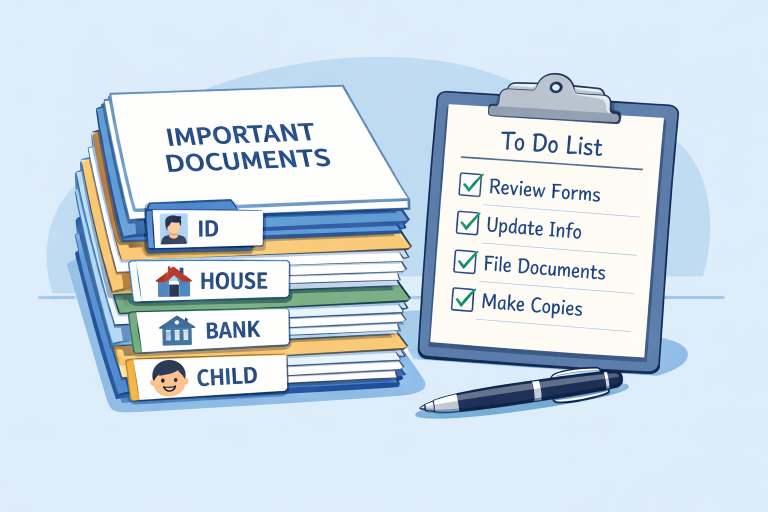
Before starting the filing process, it is helpful to make a checklist. This ensures you will be ready to respond to your attorney’s or the court’s requests, creating a smoother experience overall. A well-organized approach can even foster more amicable negotiations between parties.
Knowing what to expect also makes it easier to budget for filing fees, attorney costs, and related expenses. Because requirements may vary depending on your location and situation, some people may also consider consulting the Nolo Divorce Resource Center for further national guidance.
Personal Documents
Begin your preparation by collecting personal identification documents for both you and your spouse. This foundational step confirms each party’s identity and the validity of the marriage. Be sure to have original or certified copies when possible, as courts often require them.
- Birth certificates
- Social Security cards
- Marriage certificate
- Driver’s licenses or state IDs
If you have changed your name during the marriage or plan to resume your maiden name post-divorce, documentation supporting your name change may also be required. Additionally, some states may require proof of residency for a specific period. Therefore, keeping utility bills, lease agreements, or other documentation that shows continuous residence can also be helpful during the process if the court requests verification.
Financial Records
Full financial disclosure is mandatory in most divorce proceedings. Accurate financial information helps courts and attorneys ensure a fair division of property, assets, and debts. You’ll need to present comprehensive documentation of income, assets, and liabilities.
- Recent pay stubs
- Tax returns from the past three years
- Bank statements for all accounts
- Investment account statements
- Retirement account statements
It is wise to gather this information for both individual and joint accounts, as both are relevant in the division process. Keep copies of every page to avoid disputes over missing or incomplete records. Don’t forget to include documentation of any regular bonuses, commissions, or overtime pay, as these forms of income may also be considered when evaluating child or spousal support. Gathering any proof of extra sources of income, such as rental property receipts or dividend statements, can provide a more thorough financial picture for accurate settlements.
Property and Asset Documents
Every significant asset, whether owned individually or with your spouse, needs to be accounted for in the divorce proceedings. Proper documentation supports fair valuation and equitable distribution.
- Real estate deeds and mortgage statements
- Vehicle titles and loan documents
- Appraisals for valuable items such as jewelry, collectibles, or artwork
Photographs, receipts, or professional valuations can be helpful for unique or high-value items that may require careful consideration by the court or during settlement discussions. If you have items in storage, be sure to include rental agreements for storage units and an inventory of those possessions as part of your complete documentation.
Debt and Liability Information
All shared and individual debts must be disclosed. Courts use this information to assign responsibility for payment after the divorce. Being transparent about debts will help ensure a fair arrangement and reduce misunderstandings.
- Credit card statements
- Loan agreements, including student, auto, or personal loans
- Outstanding bills and liabilities
Document the current balances and monthly payment amounts. In some situations, the court may order credit or debt counseling to help both parties manage ongoing obligations efficiently. For more information, visit the Forbes Advisor Divorce Paperwork Guide. If there are any joint business debts or obligations that you and your spouse share, be sure to document those separately, as such debts often require specific attention during settlement negotiations and can impact both parties’ credit ratings post-divorce.
Child-Related Documents
When children are involved, you must provide documentation that supports custody and child support decisions. Each child’s well-being is a top priority for the court, which means complete, up-to-date information is essential.
- Birth certificates
- School and academic records
- Medical and immunization records
- Childcare and extracurricular expenses
These documents will help during discussions about primary residence, visitation, health insurance, and support requirements. If your children have special needs, providing medical records, diagnosis reports, and any pertinent information about therapies or specialized care is highly advisable. In cases involving interstate issues or relocation, keep copies of travel records or communication logs that may be relevant for custody determinations.
Legal Agreements
Include copies of any previously signed legal documents that outline the expectations or agreements in your relationship. Courts must review these documents to honor pre-existing arrangements or, if necessary, modify them for divorce.
- Prenuptial or postnuptial agreements
- Separation agreements
- Prior court orders related to support, custody, or property
Providing complete copies ensures that no detail is overlooked during settlement discussions. If you have mediated agreements or temporary orders issued during the separation, include those as well. This will allow lawyers and judges to assess all prior commitments and arrangements holistically and make adjustments where required by law or the divorce terms.
Additional Considerations
Your unique situation may require additional documentation. For example, business owners should collect incorporation records, financial statements, and tax documents for any businesses owned. Bring copies of insurance policies, including health, life, and property insurance, which may be divided or updated in the settlement.
- Business ownership and financial records
- Insurance policies and beneficiary designations
- Estate planning documents (wills, trusts, powers of attorney)
Preparing these less common documents in advance makes for a more comprehensive case and can help protect your interests in complex situations. If your circumstances involve international assets or family members, gather documentation on overseas accounts, foreign property, or citizenship papers. These details can significantly affect divorce settlements and may require additional legal guidance to navigate international regulations and treaties.
Conclusion
Divorce preparation can seem overwhelming, but organizing these essential documents will give you a sense of control and streamline the entire process. Most importantly, having your paperwork ready can help minimize stress and conflict. While this list covers the basic records most people need, those with complex cases or concerns should consult a qualified legal professional for tailored advice. Careful documentation and informed preparation are key to a smooth and fair divorce proceeding. Remember, thorough preparation not only moves your case along efficiently but also equips you with knowledge that can help you make the best decisions for your future.