
Common Types of Damages in a Car Accident
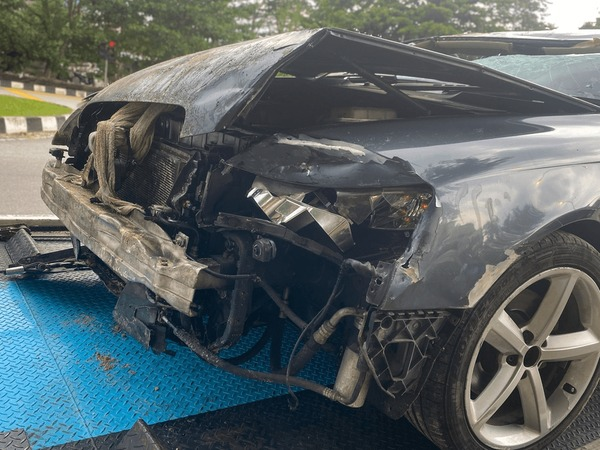
Car accident damages fall into three categories: economic damages (medical bills, lost wages, and property damage), non-economic damages (pain and suffering, emotional distress, and loss of enjoyment of life), and punitive damages. The type and severity of your losses determine how much compensation you can recover and how your car accident claim gets structured from day one.
Places like Queens Village, which sits in eastern Queens, New York, bordered by Jamaica to the south, Hollis to the west, and Bellerose to the east, carry heavy daily traffic, making intersection collisions a recurring problem. Crashes in this neighborhood often produce layered damages that insurers tend to underestimate in their initial offers.
Most people think a car accident claim is just about fixing the car and paying the hospital bill. That’s only part of it. Victims routinely walk away with less than they deserve because they don’t know what legally qualifies as a loss. A car accident lawyer in Queens Village can help you identify every applicable damage category before you sign off on any settlement.
Economic Damages
Economic damages are the out-of-pocket, documentable losses tied directly to the crash. They form the financial backbone of any car accident claim.
1. Medical Expenses
Medical damages cover emergency treatment, surgery, hospitalization, physical therapy, medications, and follow-up care. If your injury requires future treatment, that projected cost is part of your claim too. Leaving out future care is one of the most common and costly mistakes in early settlements.
2. Lost Wages and Earning Capacity
You can recover the income you lost while recovering. If the injury permanently limits your ability to work at the same level, that reduced earning capacity is also compensable.
3. Property Damage
This covers your vehicle and any personal belongings damaged in the crash, like a phone, laptop, or equipment you had with you at the time.
Non-Economic Damages
These don’t show up on a bill, but they’re recognized by courts and carry real value. The challenge is putting a number on them.
1. Pain and Suffering
Chronic pain, disrupted sleep, and the ongoing discomfort of a serious injury all count. Severity and duration drive the calculation. A herniated disc causing months of persistent pain is valued far higher than a soft tissue injury that clears up in a few weeks.
2. Emotional Distress
Anxiety, depression, and PTSD that develop after a crash are compensable. This is especially true in near-fatal accidents or cases where the victim witnessed the collision unfold without being able to stop it. It’s one of the most overlooked categories in car accident claims.
3. Loss of Enjoyment of Life
If the injury has cut you off from things that were part of your normal life, courts treat that loss as real and compensable. Physical recovery alone doesn’t capture the full picture of what was taken.
4. Loss of Consortium
This covers the impact on your relationship with a spouse or partner such as reduced companionship, affection, and day-to-day support. It’s filed separately from the primary injury claim but is part of the same case.
Punitive Damages
Punitive damages don’t apply in most cases. They come into play when the at-fault driver’s behavior was grossly reckless or deliberate, like drunk driving, street racing, or blowing through multiple red lights at speed.
The purpose isn’t to compensate the victim. It’s to hold the driver accountable in a way that goes beyond what a standard payout achieves and to discourage similar behavior. Courts set a higher threshold for awarding them, but when they apply, they can significantly raise the total recovery.
Key Takeaways
- Economic damages, non-economic damages, and punitive damages are the common types of damages in a car accident.
- Economic damages are the documentable losses tied directly to the crash.
- Non-economic damages are the damages that don’t show up on bills, but they’re recognized by courts.
- Loss of consortium covers the impact on your relationships with your spouse or partner.
- The true purpose of punitive damages is to hold the driver accountable for his wrongdoing rather than getting the right compensation for the victim.