
2 Way Motorcycle Intercom: Stay Connected During Long Trips
Motorcycle travel has changed significantly over the years. What was once considered a simple road adventure has now become a more connected and technology-driven experience. Riders today are not only focused on performance and comfort but also on convenience, safety, and staying connected during their journeys while helping lower the risk of a motorcycle crash. From weekend rides to cross-country touring, communication has become one of the most important parts of modern motorcycle travel.
Long-distance riding is also becoming more popular among younger riders and touring communities. More people are joining group rides, motorcycle clubs, and road trip events than ever before. As these riding communities grow, so does the need for reliable communication between riders. Traditional hand signals and stopping frequently on the road are no longer enough. Modern riders prefer a 2 way motorcycle intercom for efficient coordination during trips.
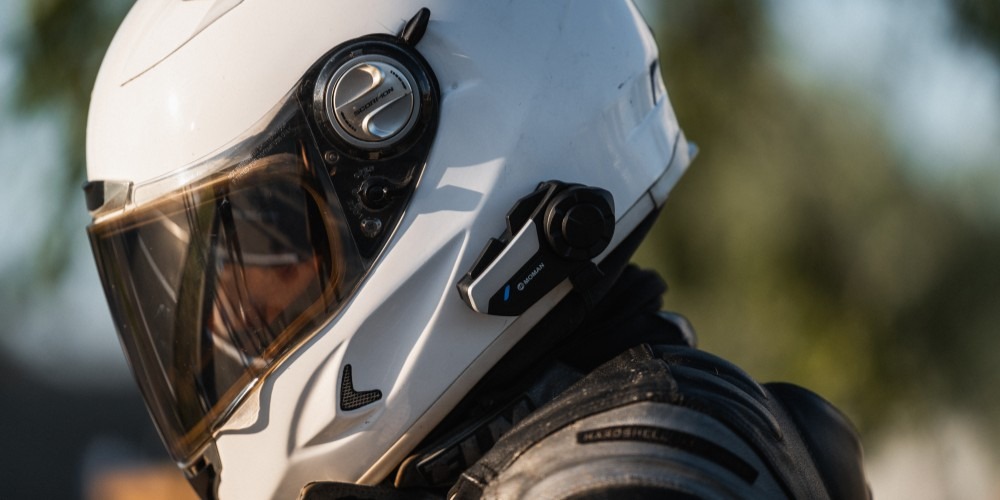
Source: Moman
Why Communication Matters on Long Rides
Communication plays a major role during motorcycle trips, especially when multiple riders are involved. Staying connected allows riders to share important information instantly, which can improve both safety and the overall riding experience.
For example, riders can quickly warn each other about potholes, sudden traffic, weather changes, or unexpected road conditions. This becomes extremely useful during highway riding or mountain routes where visibility and reaction time are important. Without proper communication, riders often rely on assumptions or delayed signals, which may create confusion during long rides.
Communication also helps riders coordinate fuel stops, food breaks, and route changes more efficiently. Instead of constantly pulling over to discuss plans, riders can communicate while continuing the journey. This creates a more relaxed and enjoyable experience for everyone involved.
Challenges Riders Face Without Communication Systems
Riding without a communication system can sometimes become frustrating, particularly during long-distance or group trips. Traditional hand gestures only work in limited situations and are often difficult to notice at higher speeds or in poor weather conditions.
One common problem is riders getting separated during traffic or at intersections. Without instant communication, regrouping can take time and may interrupt the ride completely. Missed turns, navigation confusion, and delayed reactions are all common issues during group riding without proper communication support.
Safety is another concern. If a rider experiences a mechanical issue or notices a road hazard, informing others quickly becomes difficult without a communication device. These small communication gaps can reduce coordination and increase unnecessary stress during rides.
This is one reason why more riders are now exploring modern communication technology designed specifically for motorcycles.
How Modern Motorcycle Communication Systems Work
Modern communication systems are designed to make rider-to-rider interaction simple and practical. Most systems operate using Bluetooth connectivity, allowing helmets to communicate wirelessly over a certain distance.
The setup usually includes compact speakers and microphones that fit directly inside the helmet. Once connected, riders can speak naturally while riding without removing gloves or stopping the motorcycle. Many systems also support smartphone connectivity, navigation prompts, and music streaming.
The popularity of 2 way motorcycle communication systems has increased because they provide a simple solution for staying connected on the road. Riders no longer need complicated setups or advanced technical knowledge to use them effectively.
Today’s two way communication devices for motorcycles are also becoming more compact, durable, and user-friendly. Many riders prefer systems that offer simple controls, reliable connectivity, and compatibility with different helmet styles.
Features Riders Look for in Communication Devices
Not all communication systems offer the same experience, which is why riders often focus on certain features before choosing one.
Clear Audio at High Speeds
Audio clarity is one of the most important factors for riders. Wind noise can make communication difficult at higher speeds, so riders usually prefer systems with noise reduction technology and strong speaker quality.
Long Battery Performance
Battery life matters a lot during touring and adventure riding. Riders want communication systems that can last throughout long trips without needing constant charging. A dependable battery becomes especially useful during full-day rides.
Comfortable Helmet Compatibility
Ease of installation is another important feature. Riders often look for systems that work smoothly with different helmet styles without creating discomfort. A reliable motorcycle helmet intercom 2 way headset should feel natural inside the helmet and remain easy to operate while riding.
Stable Rider Connectivity
Connection stability is equally important during group riding. Riders expect consistent communication without frequent signal drops, especially when maintaining distance between motorcycles.
Why More Riders Are Choosing 2-Way Systems
Many touring riders now prefer a 2 way motorcycle intercom because it allows fast and reliable communication without interrupting the ride. Compared to larger communication setups that may involve more complicated pairing processes, two-way systems are often simpler and easier to manage.
This setup works especially well for couples, passenger riders, and small riding groups. Riders can stay connected continuously while discussing directions, riding conditions, or quick updates throughout the trip.
Another reason for the growing popularity of these systems is reduced distraction. Riders do not need to rely heavily on hand signals or repeated stops to coordinate with others. This creates a smoother and more enjoyable riding experience overall.
The increasing interest in the 2 way motorcycle helmet intercom category also reflects how modern riders are prioritizing convenience and communication as part of their regular riding gear.
The Growing Demand for Smart Riding Accessories
Technology is becoming a major part of modern motorcycle culture. Riders today are using navigation systems, action cameras, smart helmets, and communication devices more than ever before. These accessories are helping improve comfort, coordination, and safety during rides.
As communication technology continues to evolve, brands such as Moman intercom are becoming increasingly recognized among riders looking for practical and easy-to-use communication solutions. Riders now expect accessories to integrate smoothly into their riding experience without adding unnecessary complexity.
The demand for connected riding equipment is also growing because more riders are participating in touring communities and organized road trips. Communication systems help make these group experiences more efficient and enjoyable for everyone involved.
Choosing the Right Setup for Your Riding Style
Different riders have different communication needs, which is why choosing the right setup depends heavily on riding habits and travel style.
Solo Riders
Solo riders often prefer systems that support navigation prompts, phone calls, and music streaming. These features can improve convenience during long solo journeys.
Couples and Passenger Riding
Couples riding together usually benefit from direct communication systems that allow constant conversation throughout the trip. This makes coordination easier and creates a more connected riding experience.
Group Riding
Group riders typically focus more on communication range and stability. Many riders also prefer setups that function well as a motorcycle helmet intercom 2 way headset for smaller groups or riding partners.
Common Buying Mistakes Riders Should Avoid
One of the biggest mistakes riders make is choosing communication systems based only on price. Cheap systems may offer poor audio quality, weak battery performance, or unreliable connectivity.
Another common mistake is ignoring helmet compatibility. Not every system fits every helmet comfortably, so checking compatibility beforehand can prevent future issues.
Some riders also buy communication devices with complicated features they rarely use. In many cases, a simple and reliable setup provides a much better long-term experience than an overly complex system.
Focusing on comfort, durability, battery life, and ease of use usually leads to a smarter purchase decision.
Conclusion
Modern motorcycle riding is becoming more connected, practical, and technology-focused than ever before. Riders today want communication systems that improve safety, convenience, and coordination during both short rides and long-distance trips.
As group riding and motorcycle touring continue to grow in popularity, communication devices are becoming an essential part of the riding experience. From better route coordination to real-time safety updates, these systems help riders stay connected without disrupting the journey.
With improvements in Bluetooth technology, helmet integration, and rider comfort, communication systems will likely continue playing a major role in the future of motorcycle travel.