
What Happens After a DUI Accident in Denver
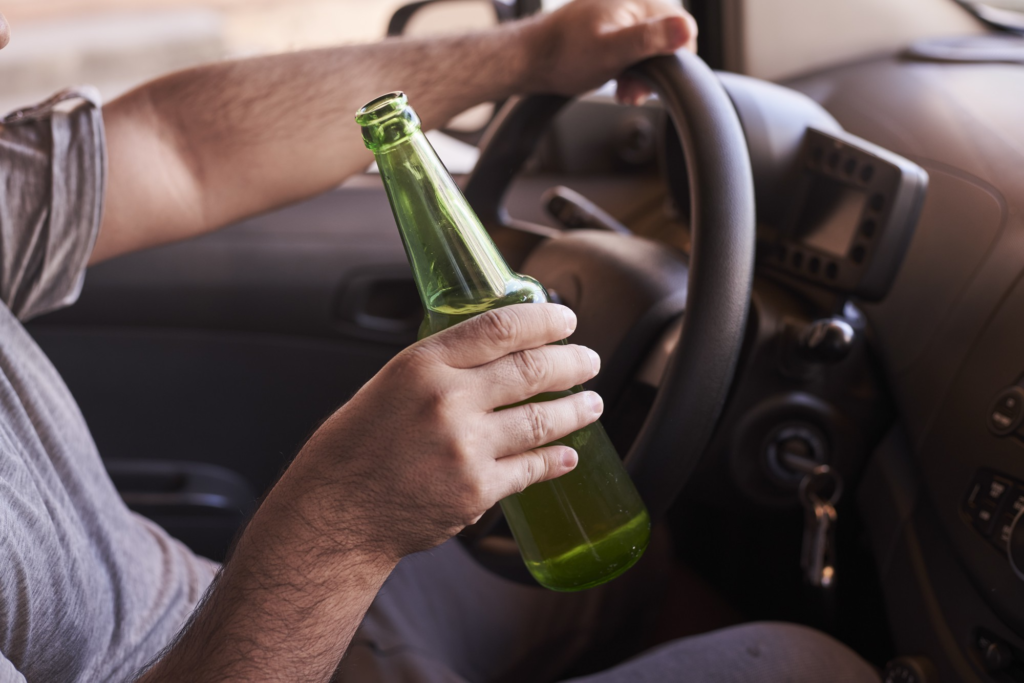
After a DUI accident in Denver, the impaired driver may face criminal charges, civil liability for damages, license suspension, insurance consequences, and potential lawsuits from injured victims seeking compensation. These cases often move forward on two separate tracks—criminal prosecution by the state and civil claims filed by those harmed in the crash.
Denver is one of the fastest-growing cities in the United States, known for its vibrant downtown, expanding suburbs, and busy interstate corridors. With major highways like I-25 and I-70 running through the city, traffic congestion and nightlife activity create conditions where impaired driving incidents unfortunately occur.
The city’s mix of urban streets, tourism, and entertainment districts increases weekend and nighttime traffic risks. Following a serious collision, many victims seek guidance from a drunk driving accident lawyer in Denver to understand their legal rights and next steps.
Immediate Response at the Accident Scene
After a suspected DUI accident, law enforcement officers respond quickly. Their first priority is medical safety and securing the scene.
Officers typically:
- Check for injuries and call emergency medical services.
- Conduct field sobriety tests
- Administer breath or blood alcohol tests.
- Document witness statements and vehicle damage
If impairment is suspected, the driver may be arrested at the scene. Colorado law treats DUI offenses seriously, especially when injuries are involved.
Under Colorado Revised Statutes § 42-4-1301, it is illegal to operate a vehicle while under the influence of alcohol or drugs or while substantially impaired. Violations can lead to criminal penalties even before civil claims begin.
Criminal Charges Against the Impaired Driver
A DUI accident triggers criminal proceedings separate from any injury claim. Prosecutors determine charges based on factors such as the following:
- Blood alcohol concentration (BAC) level
- Whether injuries or fatalities occurred
- Prior DUI offenses
- Presence of drugs or controlled substances
Possible criminal consequences include:
- Jail time or probation
- Fines and court costs
- Mandatory alcohol education programs
- Installation of an ignition interlock device
If the accident causes serious bodily injury, charges may escalate to felony offenses with significantly harsher penalties.
Driver’s License Suspension
Following a DUI arrest, the Colorado Department of Revenue may initiate an administrative license suspension independent of criminal court proceedings.
Drivers typically have a limited window to request a hearing challenging the suspension. Failure to act promptly can result in automatic loss of driving privileges.
Administrative penalties may include:
- License suspension or revocation
- Points added to driving records
- Mandatory reinstatement requirements
Civil Claims Filed by Injury Victims
While criminal courts punish wrongdoing, civil claims focus on compensating victims. Individuals injured in a DUI crash may pursue compensation for losses caused by the impaired driver’s negligence.
Common damages include:
- Medical expenses
- Lost income and reduced earning ability
- Property damage
- Pain and suffering
- Rehabilitation or long-term care costs
Colorado follows modified comparative negligence rules under Colorado Revised Statutes § 13-21-111, meaning compensation may be reduced if a victim shares some fault—but DUI evidence often strongly supports liability against the impaired driver.
Insurance Investigations and Challenges
After a DUI accident, insurance companies conduct detailed investigations. Although fault may seem obvious, insurers still evaluate the following:
- Accident reports
- Medical documentation
- Vehicle damage assessments
- Policy coverage limits
Insurance carriers may attempt to minimize payouts despite clear impairment. Victims often face settlement offers that do not fully account for long-term medical or financial consequences.
Legal representation helps ensure claims accurately reflect both immediate and future damages.
Possible Dram Shop or Third-Party Liability
In certain situations, responsibility may extend beyond the impaired driver. Colorado’s dram shop laws allow claims against bars, restaurants, or establishments that overserve visibly intoxicated individuals who later cause accidents.
These cases require careful legal analysis and evidence showing unlawful alcohol service contributed to the crash.
Long-Term Consequences of a DUI Accident
DUI accidents frequently have lasting effects on everyone involved. Victims may experience ongoing medical treatment, emotional trauma, or permanent disability. Meanwhile, impaired drivers face criminal records, financial liability, and increased insurance premiums.
Understanding both the criminal and civil processes helps victims protect their rights while focusing on recovery.
Key Takeaways
- After a DUI accident in Denver, the impaired driver faces both criminal prosecution and civil liability.
- Police investigations often include sobriety testing and immediate arrest.
- Colorado Revised Statutes § 42-4-1301 governs DUI offenses and penalties.
- Victims can pursue compensation through civil claims under Colorado Revised Statutes § 13-21-111.
- License suspension may occur through administrative proceedings separate from criminal court.
- Insurance companies may still dispute damages despite clear fault.
- Legal guidance helps victims navigate complex claims and secure fair compensation.