
Essential Safety Tips for Navigating City Traffic
Key Takeaways
- Maintain a safe following distance for better reaction times.
- Stay alert for pedestrians, especially during dusk and nighttime.
- Always adhere to posted speed limits and signal rules.
- Eliminate distractions to focus fully on changing traffic conditions.
- Respect the presence of cyclists and practice safe road sharing techniques.
Table of Contents
- Master the Art of Defensive Spacing
- Stay Alert for Pedestrians
- Adhere to Speed Limits
- Avoid Distractions
- Be Mindful of Cyclists
- Exercise Caution at Intersections
- Enhance Visibility During Night Driving
- Keep Your Vehicle in Top Condition
City driving poses a set of challenges that demand heightened awareness, patience, and clear strategies to ensure every commute ends safely. Constant congestion, unpredictable pedestrians, and an ever-changing environment test even the most experienced drivers. Adopting proactive habits is crucial, not only for your protection but for everyone around you. If you find yourself in a traffic incident, consulting a Boston car accident lawyer can help you navigate complex legal matters and secure the support you need.
Developing a set of defensive driving skills and city-specific awareness is the best way to adapt to urban roadways. With crowded intersections and increased pedestrian activity, prioritizing safety protects not just yourself but also minimizes risks for vulnerable road users like cyclists and children. Responsibility behind the wheel means committing to continuous learning and developing habits that make city streets safer for all.
Master the Art of Defensive Spacing
Proximity is a major concern in city driving, where abrupt stops and frequent lane changes are common. Maintaining a safe following distance, ideally at least three seconds behind the vehicle in front, affords you vital reaction time. Adopting this practice, often called defensive spacing, helps reduce rear-end collisions. If someone cuts ahead, do not react aggressively but instead restore your buffer zone as soon as possible. Remember, extra space is invaluable during wet weather or icy conditions, when stopping distances can increase dramatically compared to dry pavement. These precautionary habits become even more critical during periods of high congestion or sudden slowdowns, such as rush hour. Remaining calm and patient benefits everyone on the road.
Stay Alert for Pedestrians
Pedestrians are a constant presence in city settings. Always yield to those at crosswalks and never assume a person will see you coming. In particular, be cautious around schools, parks, and bus stops, and anticipate that someone may step out between parked cars. Research shows that nighttime and low-visibility conditions significantly increase the risk of serious incidents involving pedestrians. According to the National Highway Traffic Safety Administration, nearly three-quarters of pedestrian fatalities occur in urban areas, with a significant percentage happening at night. Additionally, children and elderly pedestrians may move more slowly or unpredictably, so reduce your speed and scan the sidewalks frequently. Your increased awareness can often be the difference in preventing a tragedy.
Adhere to Speed Limits
City streets are engineered for lower speed limits due to the density of vehicles, pedestrians, and cyclists. Exceeding these limits can double the likelihood of fatal injuries in the event of a crash. Consistently obeying speed limits not only helps prevent accidents but also demonstrates respect for vulnerable road users. For example, research cited by the BMC Public Health suggests that reducing speed by just five miles per hour can substantially decrease the odds of fatal outcomes, especially for pedestrians. Small adjustments in your traveling speed, particularly in residential and heavily trafficked downtown districts, reflect good judgment and foster a safer environment for you, your passengers, and everyone sharing the road.
Avoid Distractions
Urban traffic requires your undivided attention. Activities like texting, adjusting navigation, or even eating can steal precious seconds when split-second decisions are essential. Consider all non-driving tasks secondary until you are safely parked. Not only do distractions increase your risk of accidents, but they can also result in hefty fines or license penalties under city ordinances designed to improve public safety. Even hands-free devices can divert your concentration, so minimize any activity beyond maintaining full awareness of the driving environment. Prioritize focus, and you’ll contribute to safer city streets for all.
Be Mindful of Cyclists
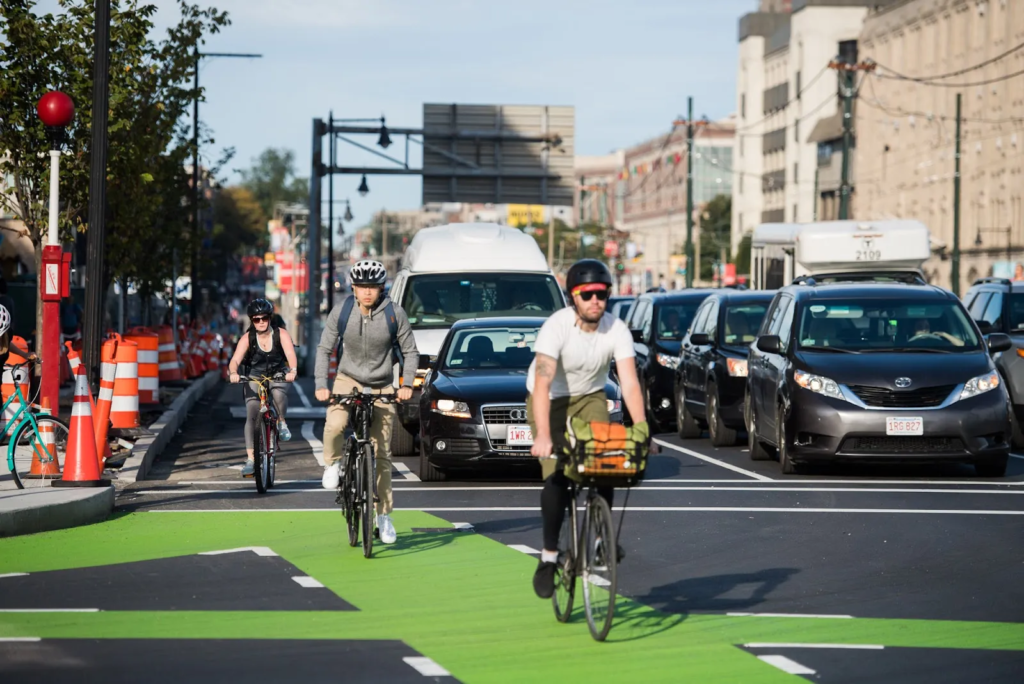
Cyclists are encouraged to use city streets, often in dedicated bike lanes or weaving through slow-moving traffic. Always check your mirrors and blind spots before turning or changing lanes. Give cyclists at least three feet of clearance and never block a bike lane. When exiting your vehicle on busy streets, use the “Dutch Reach.” This means opening the door with your far hand so that you turn your shoulders and can better spot approaching riders, reducing the risk of “dooring” injuries. Many cities are increasing their cycling infrastructure, so understanding how to share the road safely with cyclists is ever more important. Anticipate cyclists’ movements, especially near intersections and when approaching stopped traffic, as it helps prevent unnecessary conflicts and potential collisions.
Exercise Caution at Intersections
Intersections represent some of the most dangerous spots on city streets due to the convergence of vehicles, cyclists, and pedestrians moving in multiple directions. Always scan both ways—left, right, then left again—before proceeding, even on a green light. Be especially vigilant for red-light runners and for pedestrians crossing on late signals. Defensive driving at intersections reduces the potential for side-impact collisions and protects everyone crossing or merging from other lanes. Familiarize yourself with advanced stop lines and look for signs indicating pedestrian scramble crossings, which are increasingly common as cities upgrade intersection safety features.
Enhance Visibility During Night Driving
Reduced lighting increases hazards once the sun sets. Before heading out, make sure your headlights, both low and high beams, are clean and functioning properly. Use them from dusk through dawn, and be vigilant for people and cyclists who may lack reflective gear. Nighttime driving requires decreased speeds and heightened awareness for obstacles that may not appear until you are close. If possible, plan your routes through well-lit streets and avoid poorly illuminated back roads, as these can conceal potential dangers from view. Good visibility not only helps you spot hazards earlier but also ensures other drivers and vulnerable road users see you approaching.
Keep Your Vehicle in Top Condition
Vehicle performance can mean the difference between a near-miss and a collision. Perform routine checks on your brakes, tires, lights, and wipers. In the dense and demanding landscape of city traffic, functional brakes and properly inflated tires shorten stopping distances, and bright head and tail lights increase your visibility. Schedule frequent maintenance and address issues immediately to reduce the odds of an accident caused by mechanical failure. Remember, wiper blade replacement and fluid checks become especially crucial during rainy or snowy months, as proper clearing of your windshield is essential for spotting potential risks at a moment’s notice. Prevention goes a long way toward ensuring peace of mind while navigating busy urban thoroughfares.
By building these habits, you contribute to safer roads for everyone. Urban centers are dynamic and unpredictable, requiring each driver to adapt and commit to the highest safety standards. Invest in your skills, remain attentive, and be prepared for whatever the city streets may present. Every trip is an opportunity to demonstrate responsibility and make a positive impact on your community’s well-being.