
How App Activity Can Become Critical Evidence After a Rideshare Accident
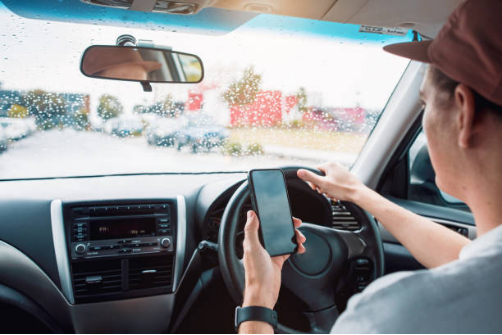
Rideshare app activity often becomes decisive legal evidence because it records what the driver was doing at the exact moment of a crash. These digital records help determine liability, insurance coverage, and whether negligence occurred.
Los Angeles, a diverse Southern California city with more than 3 million residents, is among the nation’s busiest rideshare markets. Thousands of Uber and Lyft trips occur daily, contributing to numerous traffic collisions. In disputed cases, a Los Angeles Uber accident lawyer at Rose, Klein & Marias often uses app-generated data to establish key facts.
Driver Status at Impact
Whether the driver was on the way to pick up a passenger, waiting for a ride request, offline, or actively transporting someone may all be seen in the app. This distinction directly affects which insurance policy applies. If the driver was offline, their personal insurance becomes primary, often resulting in a lower compensation limit.
GPS Speed and Route Data
Rideshare platforms continuously collect GPS data, including speed, acceleration, and route patterns. This data can reveal unsafe behaviors such as speeding or sudden braking.
A 2023 National Highway Traffic Safety Administration (NHTSA) report states that speeding was a contributing factor in 29% of highway fatalities. GPS logs provide objective proof that can confirm or refute such behavior in accident claims.
Trip Timestamps and Ride Status
Accurate timestamps document when a ride started, when a passenger was picked up, and when the trip ended. These details eliminate uncertainty about whether the accident occurred during an active ride.
This is especially important in disputes where drivers claim they were not transporting a passenger at the time. Digital timestamps provide a reliable, tamper-resistant timeline.
App-based evidence provides a digital timeline that is difficult to dispute in court. It eliminates speculation and substitutes verifiable facts, making it easier to establish fault, clarify insurance responsibility, and strengthen legal claims after a rideshare accident.
Phone Interaction Evidence
App usage data can indicate whether the driver was actively using their phone during the trip. Actions such as accepting rides, messaging passengers, or navigating the app may point to distracted driving.
According to the CDC, distracted driving causes over 3,000 deaths annually in the U.S. App interaction logs can support claims that attention was diverted at a critical moment.
Driver-Passenger Communications
Messages exchanged through the app can provide important context leading up to the accident. These may include last-minute pickup changes, confusion about directions, or delays.
Such communication can show whether the driver was rushing, distracted, or deviating from safe driving practices, which may help prove negligence.
Driver Fatigue and Hours Logged
Rideshare companies track how long drivers remain active on the platform. Extended hours without breaks can indicate fatigue, a known risk factor in accidents.
The Federal Motor Carrier Safety Administration highlights fatigue as a major contributor to crashes, especially after 12 consecutive hours of driving. App logs help establish whether exhaustion played a role.
Steps to Take After a Rideshare Accident
- Document the scene by taking photos, recording details, and noting the driver’s app status if visible.
- Request trip records from the rideshare company, including timestamps and communication logs.
- Seek medical evaluation immediately, even if injuries appear minor.
- Preserve evidence by saving receipts, screenshots, and correspondence.
- To establish an official record, submit a report to law enforcement.
Key Takeaways
- App activity records driver status, which determines insurance coverage.
- GPS data can prove speeding, route deviation, or unsafe driving behavior.
- Trip timestamps confirm whether a ride was active at the time of the accident.
- Phone interaction logs help establish distracted driving claims.
- Driver-passenger messages provide context and support negligence arguments.
- Logged driving hours can reveal fatigue as a contributing factor.
- Acting quickly helps secure and preserve critical digital evidence.