
What to Do After a Truck Accident in Washington State: Evidence, Deadlines, and Legal Rights
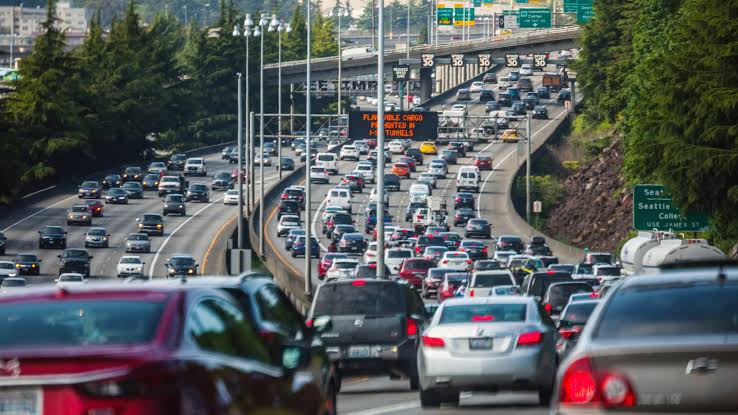
Getting hit by a truck is nothing like getting into a regular car accident. The size difference alone changes everything. When a commercial truck slams into a smaller vehicle, the damage is usually severe, the injuries are often life-changing, and figuring out who is responsible can get really complicated fast.
Truck Accidents Are Different and That Matters Legally
With a regular two-car crash, you usually have two drivers and two insurance companies. A truck accident can involve the truck driver, the trucking company, whoever loaded the cargo, the company that maintains the trucks, and sometimes a third-party dispatcher.
That matters because more parties mean more layers of insurance, more arguments about who is actually responsible, and more people trying to avoid paying. Trucking companies have lawyers on standby. Most accident victims do not.
Washington state also applies its own rules about commercial vehicle operation. Federal regulations from the FMCSA govern things like how many hours a driver can be on the road, what kind of training is required, and how the trucks need to be maintained. When a company breaks those rules, that becomes important evidence in your case.
What to Do Right After the Crash
Call 911. You want police on the scene and an official report on file. Get medical help right away. Even if you feel okay, go to the hospital or urgent care. Injuries from truck accidents can show up hours or even days later, like internal injuries or concussions. If there is a gap between the crash and your first doctor visit, insurance adjusters will use that against you.
Take photos before anything gets moved. Skid marks, damage to the truck, your vehicle, any cargo on the road, and nearby road signs all tell the story of what happened. Get the truck driver’s info including their name, license number, and the name of their employer. If you can safely photograph the truck’s DOT number and license plate, do that too. Talk to witnesses and get their contact information. Eyewitness accounts can be really valuable when the trucking company tries to dispute fault later.
Evidence That Disappears Fast
Commercial trucks have black boxes, called electronic logging devices, that record speed, brake use, steering, and hours driven right before the crash. That data exists, but trucking companies are not required to keep it forever. If you wait too long, it can be overwritten or deleted. Same with dashcam footage from the truck, security camera footage from nearby businesses, and cell phone records showing whether the driver was distracted. An attorney can send a preservation letter to the trucking company, which legally requires them to hold onto that evidence. The sooner that happens, the better.
Who Can Be Held Responsible
The truck driver if they were speeding, fatigued, impaired, or distracted. The trucking company if they pushed the driver past legal hours-of-service limits, failed to train them properly, or hired someone with a dangerous driving record. The cargo loading company if the load was unsecured or improperly distributed and that caused or contributed to the crash. The truck maintenance company if a brake failure, tire blowout, or mechanical issue was involved. In some cases, the truck manufacturer can be liable if a defect in the vehicle contributed to the accident.
Understanding Your Legal Rights
Washington uses pure comparative negligence, which means your compensation gets reduced by whatever percentage of fault is assigned to you. Trucking companies and their insurance carriers are very good at trying to assign fault to the other driver. Knowing your truck accident legal rights in Washington is what keeps that from happening. In Washington, you have three years from the date of the accident to file a personal injury lawsuit, but evidence does not wait three years. The sooner you take action, the better position you are in.
Key Takeaways
Get medical attention the same day. Photograph everything before vehicles are moved. Get the truck’s DOT number and driver’s employer information. Contact an attorney before giving any statements to the trucking company’s insurance. Evidence gets destroyed quickly, so act fast.