
The Hidden Costs of Traumatic Brain Injuries After a California Auto Accident
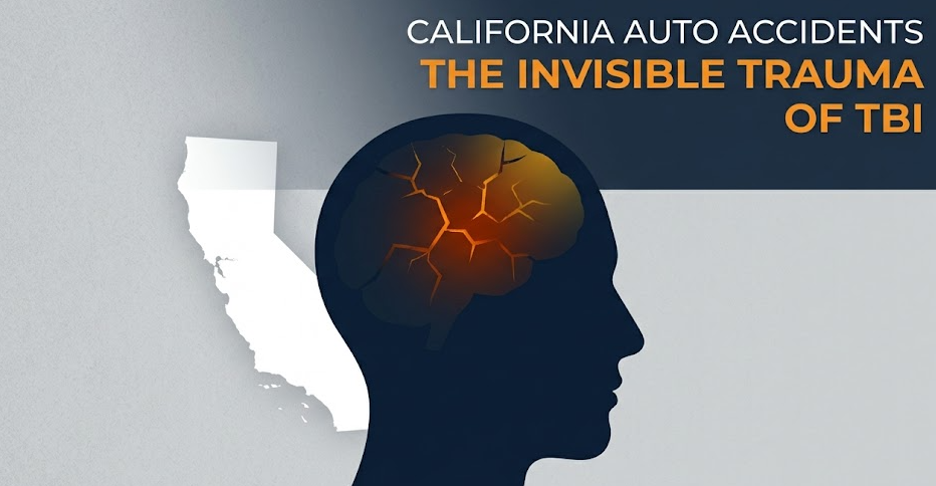
Southern California is famous for its massive network of freeways. Millions of commuters travel roads like the 405, the 5, and the Pacific Coast Highway every single day. Unfortunately, this heavy traffic leads to a high volume of severe motor vehicle collisions. While broken bones and lacerations are immediately obvious to emergency responders, some of the most devastating harm occurs beneath the surface. Traumatic brain injuries are frequently called invisible injuries because a victim might look perfectly healthy on the outside while suffering from severe neurological trauma on the inside.
The physical recovery process is only one part of the battle. The financial burden of medical bills, rehabilitation, and lost wages can quickly overwhelm an injured person and their family.
Why Insurance Companies Downplay Head Trauma
When you get into a collision, the at-fault driver’s insurance company immediately looks for ways to minimize their financial payout. Adjusters are trained to look for objective medical evidence, such as an X-ray showing a fractured arm or a visibly totaled vehicle. A concussion or a mild traumatic brain injury is much harder to prove with standard imaging in a busy emergency room.
Insurance adjusters often use this lack of immediate visual evidence to claim the victim is exaggerating their symptoms. They might argue that a minor rear-end collision could not possibly result in long-term cognitive decline. This is exactly why specialized legal representation is so important. If you are struck by a negligent driver on the 710 freeway, hiring a skilled Long Beach traumatic brain injury lawyer ensures that insurance adjusters cannot simply dismiss your neurological symptoms to save themselves money.
Recognizing the Delayed Symptoms of a Head Injury
One of the biggest challenges with brain trauma is that the symptoms do not always appear immediately after the impact. Adrenaline masks pain, and the swelling inside the skull can take days or even weeks to reach a point where the victim actually notices a problem. It is crucial to understand that even an injury classified as a mild concussion by an emergency room doctor can have permanent, life-altering consequences.
Victims and their families need to watch for physical symptoms like persistent headaches, dizziness, sensitivity to light, and extreme fatigue. However, cognitive and emotional changes are often the most disruptive. A person suffering from head trauma might suddenly struggle to find the right words in a conversation, experience severe mood swings, or find it completely impossible to concentrate on basic work tasks. These symptoms can drastically alter a person’s quality of life and put an immense strain on their personal relationships.
How California Courts Calculate Damages for Brain Injuries
Because the consequences of neurological trauma are so complex, calculating the financial value of a claim requires specialized knowledge. California personal injury law allows victims to seek compensation for both economic and non-economic damages.
Economic Damages and Life Care Plans
A severe head injury often requires ongoing medical treatment, physical therapy, and sometimes even a full-time caregiver. Legal teams work closely with medical professionals to create a Life Care Plan. This document outlines every expected medical cost the victim will face for the rest of their life. Additionally, if the victim can no longer perform their previous job duties, they are entitled to compensation for their lost earning capacity.
Non-Economic Damages
The physical pain and emotional distress caused by a major accident fall under non-economic damages. California courts recognize that losing the ability to enjoy your favorite hobbies, suffering from chronic depression related to the trauma, and experiencing a diminished quality of life carry a heavy cost. Valuing these subjective losses is a critical part of building a successful personal injury lawsuit.
Steps to Protect Your Legal Rights
If you hit your head during a car crash, you need to go to a hospital or an urgent care clinic immediately, even if you feel fine. A doctor can perform a proper neurological evaluation and document your condition in your medical records. This medical documentation is the absolute foundation of any future personal injury claim.
You should also keep a daily journal detailing your symptoms, your pain levels, and how the injury is affecting your daily routine. This written record provides highly valuable evidence of your struggles over time. Do not sign any settlement agreements or give a recorded statement to the other driver’s insurance company before seeking advice from a legal professional. Early settlement offers are almost always designed to shortchange the victim before the true extent of the medical trauma is fully understood.
In addition, California law imposes strict deadlines for filing a personal injury lawsuit. Generally, you have two years from the date of the collision to take formal legal action. Missing this deadline will permanently strip you of your right to seek financial compensation. By acting quickly and securing proper medical and legal help, you can protect your future health and hold the responsible parties accountable for their negligence.