
How Urban Accidents Create Complicated Injury Claims for Chicago Residents
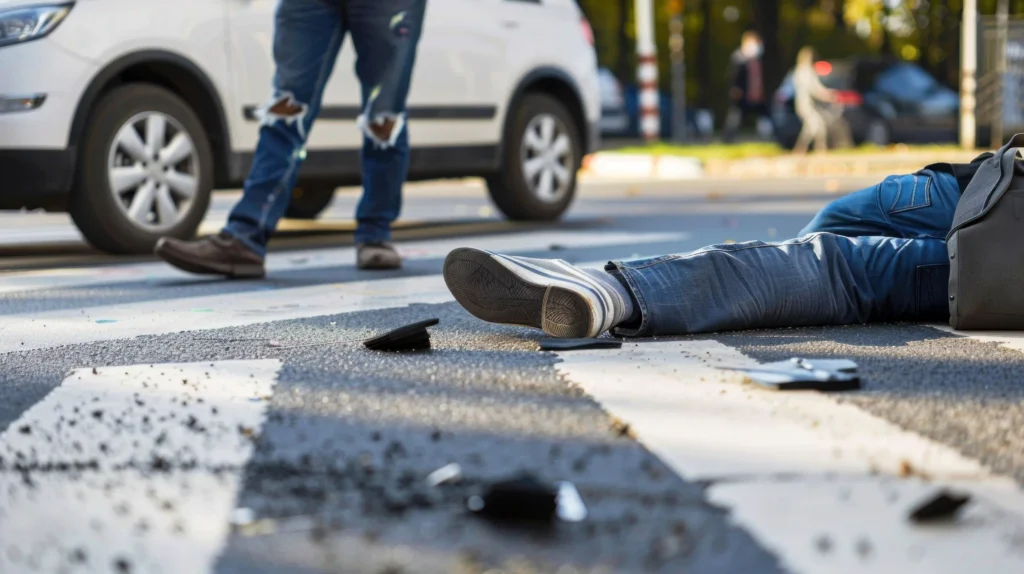
Anyone who handles a daily commute in Chicago knows the drill. Whether you are white-knuckling it down the Dan Ryan Expressway, dodging potholes on a bicycle through Logan Square, or navigating a chaotic intersection in the Loop, the city demands your full attention. But that same dense, multi-modal friction is exactly why a traffic mishap here rarely turns out to be simple.
When an accident cuts through the rhythm of city life, the legal fallout is rarely a straightforward affair. Urban crashes trigger a tangled web of insurance policies, municipal codes, and shifting liabilities that catch most residents completely off guard. If you are trying to make sense of a recent collision, understanding these hidden layers is the first step toward protecting your recovery.
The Multi-Layered Nature of City Traffic
City accidents turn into legal nightmares because they almost never involve just two private drivers trading insurance cards. On any given block in Chicago, a massive cast of characters shares a very limited amount of asphalt.
Consider the sheer variety of traffic elements competing for space:
- Commercial delivery trucks blocking sightlines and bike lanes
- Rideshare vehicles braking abruptly to drop off or pick up passengers
- CTA transit buses moving through dedicated, high-traffic lanes
- Commuters on personal electric bikes and shared dockless scooters
- Pedestrians navigating crowded crosswalks and construction detours
When a crash happens, identifying the root cause means untangling a complex chain reaction. If a rideshare vehicle swerves to avoid a double-parked delivery van and strikes a cyclist, assigning fault becomes an intricate puzzle split among multiple drivers and corporations. It is a structural reality backed by local traffic data: intersection friction accounts for more than 88% of urban collisions, which is why programs like Chicago’s Traffic Safety initiatives focus heavily on redesigning these exact overlapping transit zones (Benekohal, n.d.).
Shared Liability and the Vulnerable User Dilemma
The legal battle grows exponentially harder when a crash involves a pedestrian or a cyclist due to the aggressive way insurance networks handle shared blame in Illinois. Under the state’s strict modified comparative negligence system, an injured individual can recover damages only if they are determined to be less than 50% at fault for the incident.
Insurance defense teams exploit this rule by trying to shift the blame onto the victim. They will frequently scour cell phone records to claim a pedestrian was distracted while crossing, or argue that a cyclist strayed outside a designated bike lane. Because larger passenger vehicles like SUVs dominate Chicago’s grid, the physical stakes are devastatingly high. This is heavily documented in automotive safety research, which shows a severe overrepresentation of debilitating injuries when heavy vehicle frames strike vulnerable road users (Edwards & Leonard, 2022). Overcoming these built-in corporate biases requires immediate, localized evidence.
Navigating the Corporate and Municipal Maze
Pursuing compensation becomes a bureaucratic minefield the moment a claim involves a commercial fleet, an app-based network, or a government entity. In a dense hub like Chicago, you are rarely dealing with an individual motorist’s standard auto insurance policy.
Commercial and Rideshare Complexities
Getting hit by a commercial delivery vehicle or an Uber means facing corporate risk adjusters whose entire job is protecting a company’s bottom line. Rideshare claims are notoriously complex because coverage hinges on a tiered insurance system. The driver’s liability limits depend entirely on whether they were waiting for a fare, en route to a pickup, or actively carrying a passenger at the moment of impact. Pinpointing that exact digital status at the precise millisecond of a crash determines which million-dollar policy applies.
Municipal Liability and Tight Deadlines
The rules change completely if your injury involves a city-owned vehicle, like a CTA bus, or a hazard caused by a neglected roadway, such as a hidden traffic sign or a massive, unrepaired pothole. Suing a government entity in Illinois requires navigating strict sovereign immunity exceptions. Unlike standard personal injury cases that grant victims a traditional two-year window to file a lawsuit, claims against municipal bodies involve drastically shorter filing deadlines and rigid notice requirements. Missing a single window kills the case instantly.
How Local Expertise Protects Your Claim
Partnering with an attorney who knows the local legal terrain is often the only way to level the playing field against aggressive insurance networks. The Chicago-based personal injury law firm of Abels & Annes, P.C. focuses entirely on these high-stakes urban accident claims.
They recognize that a standard police report rarely tells the whole story in a city collision. Winning these cases requires a legal team that knows how to subpoena nearby business cameras, secure commercial dashcam footage, and accurately reconstruct chaotic scene dynamics before the evidence disappears. By taking over the heavy-duty legal fights and parsing the long-term medical calculations, the attorneys at Abels & Annes, P.C. give injured residents the space to recover without being buried under paperwork or pressured into lowball settlements.
Critical Steps to Take After an Urban Accident
Protecting your future legal claim requires immediate, deliberate action right at the scene of the crash, provided you are physically able to do so. Because city environments move fast, physical evidence and witness footprints can vanish within minutes.
If you are injured on a Chicago street, rely on this immediate roadmap:
- Seek Immediate Medical Attention: Get a professional evaluation right away. Adrenaline masks severe trauma, including internal bleeding and soft-tissue injuries.
- Get the Police on the Scene: Ensure an official report is generated to lock in a neutral timeline and preserve initial statements.
- Document the Environment: Capture photos of vehicle positioning, points of impact, skid marks, obscured signs, and weather conditions.
- Secure Witness Contacts: Grab names and phone numbers of bystanders or passing commuters before they walk away into the crowd.
- Keep Your Guard Up: Refuse to give recorded statements to insurance adjusters until you have spoken with a professional.
Summary Checklist for Urban Injury Claims
Tracking a few core priorities will keep your personal injury case from stalling out in the insurance system. Use this quick reference framework as you move forward:
- Lock Down the Medical Record: Keep all treatments, diagnoses, and specialist visits perfectly sequential.
- Audit for Corporate Targets: Investigate whether rideshare apps, commercial employers, or delivery sub-contractors are tied to the driver.
- Preserve Perishable Data: Act within days to request municipal traffic camera loops or private business security footage.
- Leverage Local Representation: Use a legal team deeply familiar with Cook County courts and Illinois-specific traffic litigation.
Urban accidents present a unique set of challenges, but you do not have to navigate the aftermath alone. By understanding the complexities of city claims and relying on experienced local resources, you can confidently secure the compensation and care you need to move forward.