
What Happens During a Truck Accident Investigation
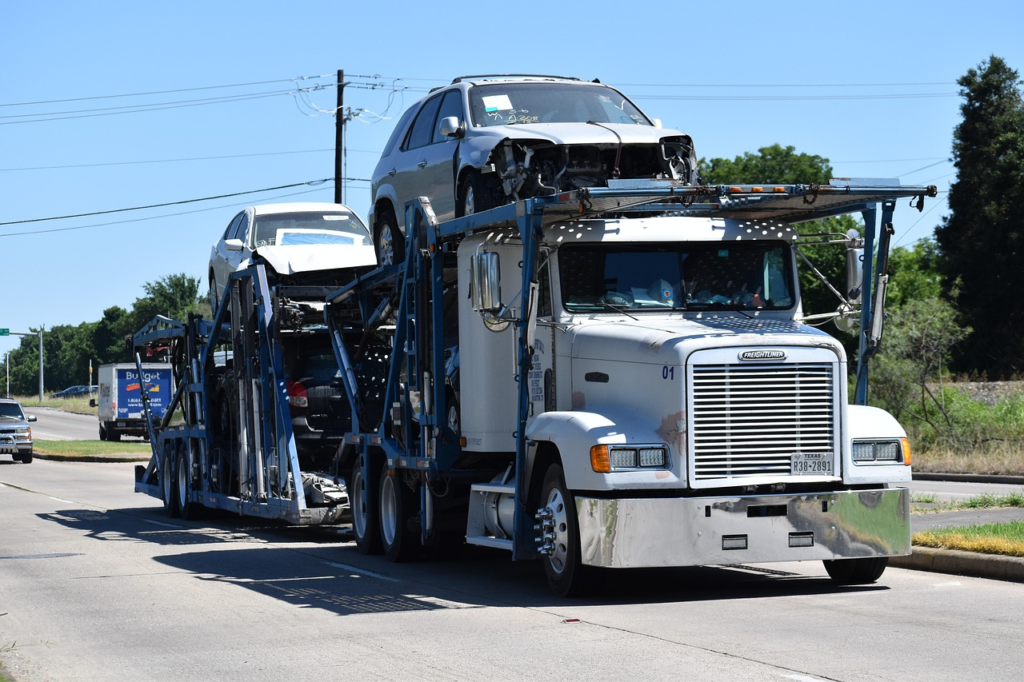
When a commercial truck weighing 80,000 pounds collides with a passenger vehicle, the investigation that follows can take months and involve dozens of specialists examining everything from driver cell phone records to brake pad wear patterns. According to the National Highway Traffic Safety Administration’s 2023 data, large trucks were involved in 5,788 fatal crashes — each generating an investigation far more complex than typical car accidents. The stakes extend beyond determining fault: these investigations shape federal safety regulations, influence trucking company policies, and often determine whether families receive fair compensation for catastrophic losses.
The complexity stems from the sheer number of variables at play. Unlike passenger vehicles, commercial trucks operate under federal regulations that govern everything from driver work hours to cargo weight distribution. They’re equipped with sophisticated electronic systems that record dozens of data points leading up to a crash. The vehicles themselves represent massive investments for trucking companies, while the cargo they carry can add environmental and economic complications to any incident.
For anyone affected by a serious truck accident — whether as a victim, family member, or industry professional — understanding how these investigations unfold can provide crucial context for what lies ahead. The process reveals not just what happened in those critical seconds before impact, but often exposes systemic issues that contributed to the crash.
How the Truck Accident Investigation Process Unfolds
The investigation timeline begins within minutes of the crash, when first responders assess the scene for immediate safety hazards like fuel spills, electrical damage, or unstable cargo loads. This initial response phase focuses on preserving life and preventing secondary accidents, but investigators are already making critical decisions about evidence preservation. The truck’s position, skid marks, debris patterns, and road conditions all begin deteriorating immediately.
Within hours, the preliminary investigation team arrives to document the scene before it’s cleared. This team typically includes law enforcement officers trained in commercial vehicle accidents, insurance adjusters, and sometimes trucking company representatives. They photograph everything from multiple angles, measure distances between impact points and final vehicle positions, and begin interviewing witnesses while memories remain fresh. The truck’s electronic control module — essentially its “black box” — gets downloaded immediately, as this data can be overwritten during normal operation.
The detailed investigation phase can extend for weeks or months. Investigators conduct thorough mechanical inspections of the truck, examining brake systems, tire conditions, steering components, and trailer coupling mechanisms. Driver records undergo scrutiny, including logbooks, employment history, medical certifications, and phone records. The investigation expands to include the trucking company’s safety ratings, maintenance procedures, and compliance with federal hours-of-service regulations.
What many people don’t realize is how interdisciplinary these investigations become. Accident reconstruction specialists use physics calculations and computer modeling to determine vehicle speeds and impact forces. Toxicologists analyze blood samples for drugs and alcohol. Mechanical engineers examine whether equipment failures contributed to the crash. This collaborative approach often reveals multiple contributing factors rather than a single cause, setting the stage for complex legal proceedings that can span years.
Key Evidence and Technologies Used in Investigations
Modern truck accident investigations rely on an intricate web of physical evidence, digital data, and human testimony to piece together the moments leading to a crash. The evidence collection process has evolved dramatically with advancing technology, transforming investigations from primarily visual assessments to data-driven reconstructions that can pinpoint mechanical failures, driver behaviors, and environmental factors with remarkable precision.
Physical and Testimonial Evidence in Truck Cases
The foundation of any truck accident investigation remains the physical evidence at the scene. Investigators analyze tire marks to determine braking patterns, vehicle speeds, and points of impact. Damage patterns on both vehicles reveal the angle and force of collision, while debris fields help establish the sequence of events. Paint transfer between vehicles, broken glass distributions, and final vehicle positions create a roadmap of the accident’s progression.
Driver logbooks and electronic logging devices provide crucial insights into the hours leading up to the crash. Federal regulations require commercial drivers to maintain detailed records of driving time, rest periods, and vehicle inspections. Investigators cross-reference these logs with fuel receipts, toll road records, and GPS data to verify accuracy. Discrepancies often reveal hours-of-service violations that may have contributed to driver fatigue.
Witness testimony adds the human perspective to physical evidence. Investigators interview not just bystanders, but also other truck drivers who may have observed the vehicle’s behavior in the miles before the crash. These accounts often reveal erratic driving patterns, mechanical problems like smoking brakes, or cargo shifting that wasn’t immediately apparent from scene evidence.
Technology Enhancing Truck Accident Investigations
Electronic Control Modules (ECMs) have revolutionized truck accident investigations by providing objective data about vehicle performance. These systems record information like engine speed, brake application, steering input, and cruise control usage in the seconds before a crash. The data reveals whether the driver attempted to brake, how hard they pressed the pedal, and whether the truck’s safety systems activated properly.
3D laser scanning and drone technology now allow investigators to capture accident scenes with millimeter precision before evidence is disturbed. Drones equipped with high-resolution cameras document overhead perspectives impossible to achieve from ground level, while laser scanners create detailed topographical maps of the crash site. This technology proves especially valuable when accidents occur on busy highways where extended scene closures aren’t feasible.
GPS tracking systems and fleet management software provide investigators with comprehensive vehicle histories. These systems reveal not just the truck’s location at the time of the crash, but its speed patterns, route deviations, and stop durations over preceding days. Combined with cellular phone tower data, investigators can determine whether drivers were using mobile devices immediately before the accident. As traffic congestion continues to worsen and commercial vehicle accidents increasingly involve questions of Austin truck accident legal help, this technological evidence becomes central to establishing liability and securing appropriate compensation for victims.
Common Challenges in Conducting Truck Accident Investigations
Even with sophisticated technology and experienced investigators, truck accident investigations face significant obstacles that can compromise evidence quality and extend timelines. These challenges stem from the scale and complexity of commercial vehicles, the multiple jurisdictions often involved, and the high-stakes nature of these cases where trucking companies and insurance carriers deploy substantial resources to protect their interests.
Evidence preservation presents the most immediate challenge. Unlike passenger vehicles that can be stored in impound lots indefinitely, damaged trucks represent valuable commercial assets that companies want returned to service quickly. Cargo may be perishable or hazardous, requiring rapid disposal or transfer. Weather conditions can deteriorate tire marks and debris patterns within hours, while heavy traffic may force premature scene clearing. Investigators must balance thoroughness with practical constraints, often making critical decisions about evidence priorities under intense time pressure.
The technical complexity of modern commercial vehicles creates another layer of difficulty. Today’s trucks contain dozens of interconnected electronic systems, each with proprietary software and data formats. Investigators need specialized training and equipment to access information from different manufacturers’ systems. When mechanical failures are suspected, determining whether problems stem from manufacturing defects, inadequate maintenance, or operator error requires expertise in areas ranging from metallurgy to software engineering.
Jurisdictional complications arise frequently in truck accidents, as commercial vehicles routinely cross state lines and operate under both federal and state regulations. Different agencies may have conflicting investigation protocols, evidence handling procedures, and disclosure requirements. When accidents involve hazardous materials or occur on interstate highways, federal agencies like the Department of Transportation may take primary investigation responsibility, potentially limiting access for other parties seeking information.
The human factors in truck accident investigations often prove most challenging to quantify. Driver fatigue, medical conditions, and psychological stress can contribute to accidents in ways that don’t show up in electronic data or physical evidence. Investigators must piece together complex patterns from medical records, work schedules, and personal circumstances while respecting privacy rights and dealing with reluctant witnesses who may fear employment consequences.
How Truck Accident Investigations Differ from Car Accident Investigations
The fundamental difference between truck and passenger vehicle accident investigations lies in regulatory complexity. While car accidents typically involve state traffic laws and insurance requirements, commercial truck accidents fall under federal oversight through the Department of Transportation and Federal Motor Carrier Safety Administration. This regulatory framework means investigators must examine not just the accident itself, but the trucking company’s compliance with federal safety standards, driver qualification requirements, and vehicle maintenance protocols.
Scale and scope distinguish truck investigations dramatically. A typical car accident investigation might involve two vehicles, a handful of witnesses, and basic police reports. Truck accidents can involve multiple vehicles, hazardous cargo, environmental contamination, and extensive property damage. The investigation team expands accordingly, potentially including federal safety inspectors, environmental specialists, cargo experts, and reconstruction engineers. Where a car accident investigation might conclude within days, truck cases often require months of analysis.
The data complexity in truck accidents far exceeds passenger vehicle cases. Commercial trucks generate massive amounts of electronic data through GPS systems, electronic logging devices, engine control modules, and fleet management software. This information must be preserved, analyzed, and integrated with traditional physical evidence. Car accidents typically rely on simpler data sources like airbag control modules that record only basic information about the moments immediately before impact.
Economic stakes influence truck accident investigations in ways rarely seen in car cases. Commercial vehicles represent substantial investments, while trucking companies face potential liability that can reach millions of dollars. This leads to more aggressive investigation and litigation strategies, with multiple parties deploying teams of experts to examine every aspect of the case. Insurance companies may assign specialized commercial vehicle adjusters who understand the unique factors involved in truck accidents.
The human element also differs significantly. Truck drivers operate under federal qualification standards, medical certification requirements, and hours-of-service regulations that don’t apply to passenger vehicle operators. Their employment status, training records, and driving history become central to determining liability in ways that rarely factor into typical car accidents.
Best Practices for Conducting Thorough Truck Accident Investigations
Successful truck accident investigations require immediate coordination among multiple disciplines and agencies. The most effective investigations begin with establishing clear communication protocols between law enforcement, insurance representatives, trucking company officials, and legal counsel. This coordination prevents evidence destruction and ensures that all parties understand their roles and limitations during the investigation process.
Technology integration has become essential for thorough investigations. Modern best practices involve deploying 3D scanning equipment and drones within hours of the accident to capture detailed scene documentation before evidence deteriorates. Electronic data preservation requires immediate action to prevent automatic overwriting of critical information stored in the truck’s various computer systems. Investigators increasingly rely on specialized software that can integrate data from multiple sources into comprehensive accident reconstructions.
The most successful investigations follow systematic evidence prioritization. Experienced investigators develop checklists that ensure critical evidence receives attention first, while less time-sensitive information can be gathered later. This approach proves especially important when dealing with perishable cargo, hazardous materials, or accidents on high-traffic roadways where extended scene closures aren’t feasible.
Expert collaboration distinguishes thorough investigations from superficial ones. The complexity of modern commercial vehicles requires specialists in areas ranging from mechanical engineering to human factors psychology. Effective investigation teams include members who understand not just how to gather evidence, but how different types of information interact to create a complete picture of the accident sequence.
The future of truck accident investigations will likely see even greater integration of artificial intelligence and predictive modeling technologies. As the trucking industry continues evolving with autonomous safety systems and enhanced monitoring capabilities, investigators will need new skills to interpret increasingly sophisticated data streams while maintaining focus on the human factors that continue to influence commercial vehicle safety.