
What To Know After A Motorcycle Crash On Busy Roads
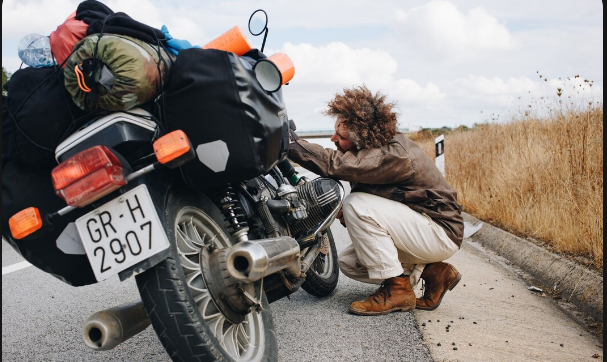
A motorcycle crash in Wilmington can turn an ordinary ride into a stressful and overwhelming experience in seconds. Whether the accident happens along Market Street, Oleander Drive, College Road, or another busy area of the city, the aftermath can be chaotic. Traffic continues moving, bystanders may gather, and it can be difficult to think clearly while dealing with injuries, damage, and uncertainty about what comes next.
The actions you take immediately after a crash can make a significant difference. Prioritizing your safety, seeking medical attention, documenting the scene, and keeping accurate records can help protect both your health and your interests. While you do not need to understand every legal or insurance issue right away, knowing the basic steps to take can help you stay focused and make informed decisions during a challenging time.
First Steps Afterward
After a motorcycle accident, your first priority is safety. If you can move without making injuries worse, get away from traffic and call emergency services. Busy roads can stay dangerous even after the crash has already happened.
Seek medical attention, even if you feel “mostly fine.” Adrenaline can hide pain, and some injuries show up later. It is better to be checked than to play guessing games with your body.
If it is safe, document the scene. Take photos of vehicles, road conditions, traffic signs, injuries, and damage. Exchange contact and insurance information with the other driver.
After a serious crash, some riders research legal options and may speak with a motorcycle accident attorney in Wilmington to better understand possible next steps. The goal is to stay informed, not rushed.
Common Crash Causes
Motorcycle crashes can happen for many reasons, and not all of them are within the rider’s control. Distracted driving is a major concern. A driver looking at a phone for two seconds may miss a motorcycle nearby.
Poor visibility also plays a role. Motorcycles are smaller than cars, so drivers may fail to notice them while changing lanes, turning, or pulling out of parking lots.
Weather can make roads more dangerous too. Rain, fog, and glare can reduce visibility and traction. A patch of wet pavement that barely bothers a car can be much more serious for a motorcycle.
Road hazards matter as well. Loose gravel, potholes, oil spots, and debris can cause riders to lose control quickly.
Understanding common causes can help you explain what happened and recognize risks more clearly in the future.
Gathering Important Evidence
Evidence helps show what happened after a crash. Memories can fade, and people may remember details differently. Photos and records give you something more reliable to refer back to.
Take pictures of the scene if you are able. Capture vehicle positions, damage, skid marks, traffic signals, road hazards, weather conditions, and anything else that seems important.
Witnesses can also be helpful. If someone saw the crash, ask for their name and contact information. Their statement may help clarify details later.
Medical records matter too. They connect your injuries to the accident and show what treatment you received.
Keep repair estimates, towing receipts, hospital bills, and notes about missed work. These records may feel boring, but they can become very useful when sorting through expenses and responsibilities after the crash.
Understanding Your Rights
After a motorcycle accident, you may have rights related to medical care, property damage, lost income, and other losses. The exact situation depends on what happened and the laws in your area.
In simple terms, your rights help determine who may be responsible for certain costs. If another driver caused the crash, you may be able to seek compensation through insurance or other legal processes.
It is important not to assume you understand everything immediately. Insurance forms, statements, and settlement discussions can feel confusing when you are also trying to heal.
Learning your rights helps you avoid making quick decisions that may not serve you well later. Ask questions before signing documents or accepting offers.
You do not need to become a legal expert. You just need enough information to make careful choices.
Dealing With Expenses
A motorcycle crash can create financial stress quickly. Medical bills may arrive before you have even finished recovering. Repairs, towing, therapy, and follow-up appointments can add more pressure.
Lost income is another concern. If injuries keep you from working, even for a short time, your household budget may feel the impact.
Keep all records organized. Create a folder for medical bills, repair estimates, receipts, insurance letters, and notes from phone calls. Digital copies can help too.
For example, if you pay for medication, transportation to appointments, or protective gear replacement, save those receipts.
Accident-related costs can pile up quietly. Tracking them from the beginning helps you understand the full financial picture and makes future conversations easier.
Recovery Takes Time
Healing after a motorcycle accident is not always quick. Some injuries improve within days, while others take weeks or months. Pain, stiffness, limited movement, and fatigue can affect your daily routine.
Emotional recovery matters too. You may feel nervous riding again, driving near traffic, or passing the crash location. That reaction is more common than people admit.
Support from family, friends, healthcare providers, and counselors can help. Recovery is not a race, even if your brain keeps asking why you are not “back to normal” yet.
Follow medical advice and attend follow-up appointments. Rest when needed. Keep notes about symptoms and progress.
Patience can be frustrating, but it is part of healing. Your body is doing repair work, not speed-running a video game.
Avoiding Future Risks
You cannot control every driver on the road, but you can build habits that reduce risk. Visibility is one of the biggest. Bright gear, reflective materials, and working lights can help drivers notice you.
Protective gear matters too. Helmets, gloves, jackets, boots, and riding pants can reduce injury severity if a crash happens.
Defensive riding means assuming other drivers may not see you. Leave space, watch intersections carefully, and avoid riding in blind spots.
Route awareness can also help. If possible, choose roads with better lighting, smoother pavement, and less chaotic traffic.
No safety habit makes riding risk-free. Still, smart choices can improve your chances of avoiding dangerous situations and responding better when something unexpected happens.
Moving Forward Confidently
A motorcycle crash can feel overwhelming, but taking the right steps can help you regain control. Focus first on safety, medical care, documentation, and organized records.
You can also explore a legal resource center to better understand general legal topics and consumer guidance.
Helpful next steps include:
- Get medical care after the crash.
- Take photos if it is safe.
- Collect witness information.
- Keep every bill and receipt.
- Avoid rushing major decisions.
- Track your recovery.
- Ask questions when something is unclear.
Moving forward takes time. Stay patient, protect your records, and give yourself room to recover physically and emotionally.