
How a Motorcycle Crash Attorney Fights the Bias That Riders Face
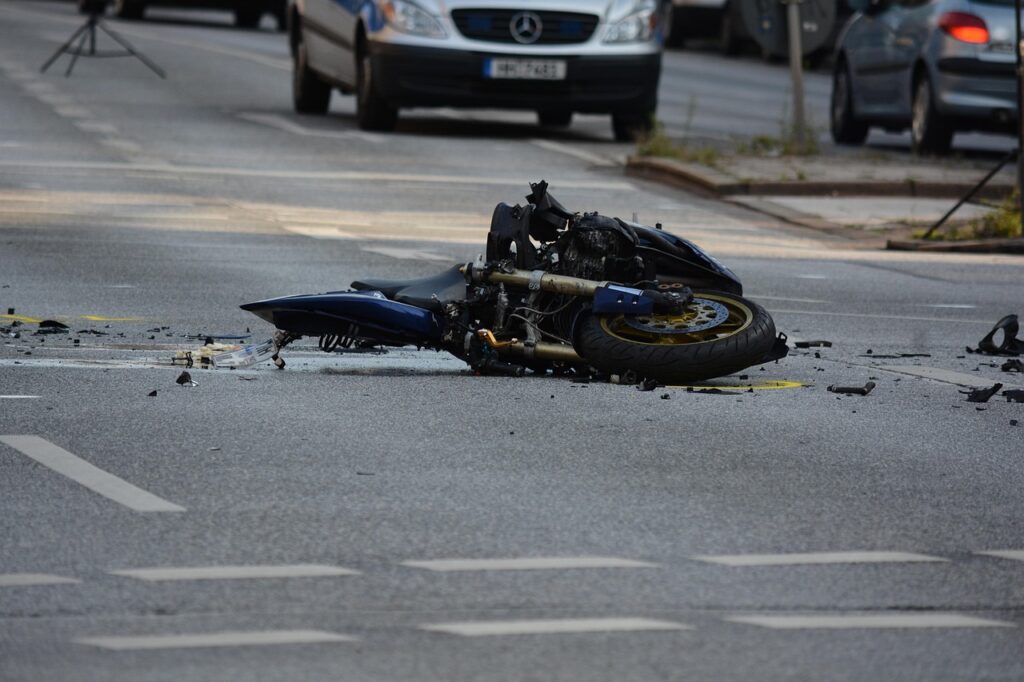
Motorcycle accident lawyers help injured riders understand their legal rights when a collision leads to difficult questions about responsibility, recovery, and financial consequences. For riders seeking legal assistance, a Fresno motorcycle accident lawyer can provide guidance grounded in California law and the facts of their case. Fresno’s road network connects residential neighborhoods, agricultural areas, commercial districts, and major routes used by local commuters and travelers. Motorcyclists share these roads with vehicles of different sizes, and a collision can affect a rider’s health, independence, and ability to return to everyday responsibilities.
Reliable legal guidance can matter when an accident’s consequences extend beyond immediate physical injuries. An attorney can help clients understand the legal considerations and approach their situation with greater clarity. For Fresno riders facing uncertainty after a crash, knowledgeable representation can help assess their circumstances carefully and explain legal options in a way that supports informed decisions.
How insurers frame rider bias
Bias often enters through the first account of a crash. An adjuster may treat a rider’s clothing, motorcycle type, or riding experience as evidence of carelessness. Those details do not establish who caused the collision. The attorney separates irrelevant judgments from impact-related facts.
An insurer can investigate liability before the injured rider gives a complete account. Counsel reviews recorded statements, photographs, repair records, and available traffic footage for gaps or contradictions. The response should correct errors with evidence, not accusations, and preserve a clear record of what each witness observed.
Reconstruct the crash
Physical evidence can challenge a claim that a rider appeared suddenly or had room to avoid impact. Skid marks, debris, scrape patterns, and damage to each vehicle can help establish direction and point of contact. Counsel compares those details with road geometry and sight lines, then assesses whether the driver had time to see and respond.
Photographs should capture the entire roadway and close views of damaged parts. Counsel compares the images with inspection findings and repair records to assess the direction of impact. Dated photographs also preserve road conditions soon after the crash.
Nearby businesses or homes may have cameras, but routine recording schedules can overwrite footage. A prompt request can preserve available video. Early interviews should document each witness’s location, view of the road, and any obstructions.
Document injuries and losses
Medical records help establish the nature and extent of a rider’s injuries. Emergency notes, imaging, follow-up care, and work restrictions document treatment and its effects. Counsel organizes the records into a timeline that connects symptoms to the crash and distinguishes prior conditions from new injuries. This can counter an insurer’s reliance on incomplete early notes.
Motorcycle injuries can require care beyond the first hospital visit. Follow-up appointments, physical therapy, medication, and specialist evaluations can shape recovery and documented losses. Riders should keep bills, appointment records, and notes about missed work while following medical advice. Accurate records support claims for current expenses and expected care.
Apply California fault rules
California uses comparative fault, so an injured person’s share of responsibility can reduce recovery rather than automatically bar it. Counsel challenges fault percentages with evidence that a driver failed to yield, changed lanes unsafely, or skipped a blind-spot check. A rider’s presence alone does not prove fault.
Traffic rules also require careful analysis. California permits lane splitting, but the circumstances matter in a crash. A lawyer examines speed, traffic movement, visibility, and vehicle positions instead of treating lane position as proof of negligence.
California requires riders and passengers to wear approved helmets. Helmet compliance can help prove injury; it does not, by itself, explain how a collision happened.
Review settlement terms
Before settlement, counsel checks whether the claim accounts for medical expenses, lost income, damaged gear, and future care documented in medical records. An initial offer may leave documented losses unpaid. The rider should understand the proposed release before signing, because a final settlement generally ends the claim for covered injuries.
Counsel also checks whether policy limits or disputed facts affect the available path to resolution.
Protecting a Rider’s Claim Through Evidence and Preparation
Related: Helmet Laws in Florida: What Riders Need to Know Before and After a Crash
After a crash, a rider should photograph the scene if safe, save damaged gear, collect witness contact information, and seek medical evaluation. Prompt documentation gives counsel a better chance to test assumptions against reliable evidence. Before giving a recorded statement or signing a release, the rider can consult a qualified attorney about deadlines and claim terms. The practical takeaway is clear: preserve evidence early, then let the facts guide the liability analysis.