
Common Causes and Consequences of Slip and Fall Accidents
Key Takeaways
- Slip-and-fall accidents occur frequently due to wet surfaces, uneven flooring, and other commonly overlooked hazards.
- These incidents can cause serious injuries, significant financial loss, and have long-lasting psychological effects on victims.
- Proactive steps, such as proper maintenance and clear signage, are vital for preventing slip-and-fall accidents.
Table of Contents
- Common Causes of Slip and Fall Accidents
- Consequences of Slip and Fall Accidents
- Preventive Measures
- Legal Considerations
- Conclusion
Slip-and-fall accidents are among the most common sources of injury in both private and public environments. Whether in the workplace, at a store, or simply walking down a sidewalk, everyone is susceptible to these often preventable incidents. Those who suffer an accident may need support from a qualified Slip and Fall Accident lawyer in Texas to understand their rights and potential compensation options. By knowing where and how slips and falls occur, you can be better informed and take critical steps to avoid them.
Slip-and-fall incidents do not result solely from major oversights. Everyday issues such as a minor spill, uneven floor, or insufficient lighting can cause severe harm. The consequences of these accidents range from physical injuries and steep medical costs to legal and psychological challenges for victims and property owners alike. Effective prevention and awareness are therefore essential for all, from business proprietors to homeowners.
It is also important to recognize that slip-and-fall accidents account for a substantial number of emergency room visits and can have long-term consequences for individuals, families, and the broader community. Educating yourself and those around you on preventive measures is one of the most effective ways to ensure everyone’s safety.
Additional information on the widespread impact and prevention of falls can be found by visiting the Centers for Disease Control and Prevention’s fall prevention page.
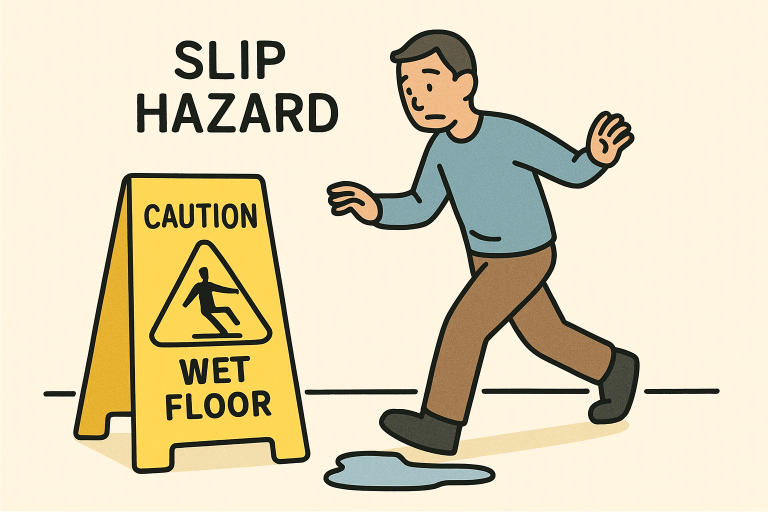
Common Causes of Slip and Fall Accidents
Multiple hazards can combine to create a hazardous environment for slip-and-fall accidents. Recognizing these dangers is an important step in preventing occurrences and lessening their impact.
Wet or Slippery Surfaces
Spills from food and beverages, freshly cleaned floors, and water tracked in during rainy weather frequently lead to dangerous situations. Restaurants, supermarkets, and building entrances are hotspots for these hazards. When moisture is left unattended, a normally safe area can quickly become treacherous for unsuspecting visitors.
Uneven or Damaged Flooring
Cracks in concrete, worn carpeting, misplaced tiles, and sudden changes in flooring height make it easy for someone to trip. Routine inspection and immediate repair of flooring are essential to minimize such risks and ensure public safety.
Poor Lighting
Areas lacking sufficient lighting, particularly stairwells, hallways, and parking lots, make it difficult to spot obstacles and uneven ground. Adequate lighting is a fundamental aspect of creating a safe environment and is often overlooked in both commercial and residential settings.
Obstacles and Clutter
Walkways cluttered with everyday items, extension cords, or packaging supplies present constant tripping hazards. Organizing and maintaining clear paths, especially in busy workspaces, significantly reduces the risk of falls.
Weather Conditions
Outdoor slip-and-fall accidents spike during rain, snow, or ice. Prompt response with de-icing materials or placing warning signage can mitigate much of the additional risk posed by adverse weather. Property owners are responsible for making sure walkways remain as safe as possible during inclement weather.
Consequences of Slip and Fall Accidents
The aftermath of slip and fall accidents can extend far beyond physical injury, affecting victims financially and emotionally. An overview in The New York Times highlights how such incidents are not only common but can also pose complex challenges for both the injured and their caregivers.
Physical Injuries
Slips and falls often result in fractures, sprains, dislocations, and traumatic brain injuries. Elderly individuals are especially susceptible to hip fractures and major life changes following a fall. Falls are the number one cause of injury-related emergency room visits in the United States, as reported by the National Floor Safety Institute.
Financial Impact
The financial consequences of slip-and-fall accidents can be overwhelming. Hospital bills, ongoing rehabilitation, medications, and lost income combine to create a substantial financial burden for victims and their families.
Emotional and Psychological Effects
Injury recovery can be accompanied by feelings of fear, anxiety, and depression. Many victims experience a marked loss of independence and a reduced quality of life, especially following a long or difficult recovery period.
Preventive Measures
Reducing the incidence of slip-and-fall accidents requires diligence and action from property owners and individuals. The following techniques offer proven benefits:
- Regular Maintenance: Quickly fix flooring issues, replace worn-out mats, and ensure paths are unobstructed.
- Proper Signage: Use clear, visible warnings for wet or uneven surfaces to alert people to temporary dangers.
- Adequate Lighting: Install and maintain lighting in all walkways, entry points, and parking areas to maximize visibility.
- Housekeeping Practices: Prioritize clutter-free spaces and immediate cleanup of spills to reduce risks.
- Weather Preparedness: Implement prompt snow and ice removal and distribute anti-slip materials during cold or wet weather.
Legal Considerations
Those responsible for managing properties are legally obligated to maintain safe premises. Failure to uphold this duty can result in liability for injuries arising from accidents. Victims of slip-and-fall accidents may pursue compensation for medical bills, lost wages, pain, and suffering. Legal outcomes can depend on timely documentation and the circumstances of the fall, making professional advice crucial.
Conclusion
Slip-and-fall accidents are both common and preventable. Understanding the typical causes, recognizing the potential consequences, and implementing effective safety measures are essential steps in promoting safer environments for everyone. By remaining proactive and vigilant, individuals and property owners can help reduce the frequency and severity of these accidents, leading to fewer injuries and a better overall quality of life.