
Common Defenses to Vehicular Assault Charges
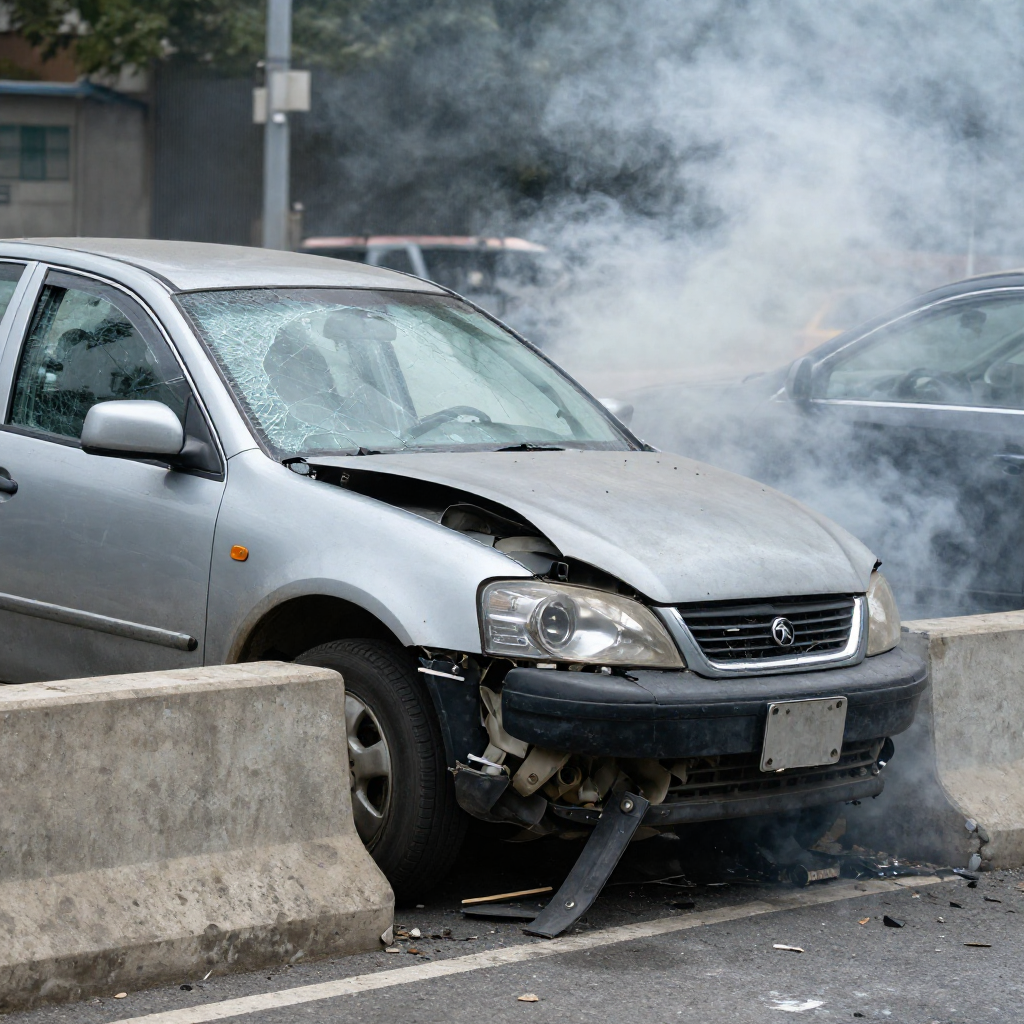
Common defenses to vehicular assault charges include challenging the prosecution’s evidence, disputing intent or recklessness, questioning causation of injuries, and proving violations of constitutional rights during the investigation. Each defense depends heavily on the facts of the case and the strength of the evidence presented.
Phoenix is a major metropolitan city known for its fast-growing population, heavy traffic, and extensive freeway system connecting commuters across Arizona. With so many vehicles on the road every day, serious traffic incidents can occur, sometimes leading to criminal charges.
These cases often move quickly through the legal system, and individuals facing allegations may seek help from a Phoenix vehicular assault attorney to understand how the charges are built and what defenses may apply.
Challenging the Element of Recklessness
Vehicular assault charges typically require proof that the driver acted recklessly or with criminal negligence. One of the most common defenses is arguing that the driver’s actions did not rise to the level of recklessness required under the law.
For example, a momentary lapse in attention or an unavoidable traffic situation may not meet the legal threshold for criminal behavior. The defense may focus on showing that the driver was operating the vehicle reasonably under the circumstances and did not consciously disregard a substantial risk.
Disputing Causation of Injuries
Another key defense involves challenging whether the defendant’s actions directly caused the injuries in question. Even if an accident occurred, the prosecution must prove that the alleged conduct was the actual cause of harm.
In some cases, injuries may have been caused by external factors such as road conditions, actions of another driver, or pre-existing medical conditions. If causation cannot be clearly established, the prosecution’s case may be weakened significantly.
Questioning the Accuracy of Evidence
Evidence plays a central role in vehicular assault cases, but it is not always flawless. Defense strategies often focus on identifying inconsistencies or weaknesses in the prosecution’s evidence.
This may include questioning accident reconstruction reports, disputing witness statements, or highlighting gaps in surveillance footage. In some cases, forensic evidence may also be challenged if proper procedures were not followed during collection or analysis.
Illegal Traffic Stop or Rights Violations
If law enforcement violated constitutional protections during the investigation, certain evidence may be excluded from the case. This is known as the exclusionary rule.
Under Arizona Revised Statutes § 13-1204, vehicular assault is defined and classified based on the severity of the injuries and the circumstances of the offense. However, even if charges are filed under this statute, evidence obtained through unlawful searches, improper stops, or Miranda violations may be challenged in court.
If key evidence is suppressed, it can significantly impact the prosecution’s ability to prove its case.
Mistaken Identity or Fault Attribution
In multi-vehicle accidents or chaotic crash scenes, it is sometimes unclear which driver is responsible for the incident. A defense may argue that the wrong person has been charged or that fault has been incorrectly assigned.
This defense often relies on traffic camera footage, eyewitness inconsistencies, or reconstruction analysis that shows another vehicle was responsible for the collision.
Emergency Situations or Necessity Defense
In some cases, a driver may argue that their actions were necessary to avoid a greater harm. This is known as the necessity defense.
For example, a driver may have swerved suddenly to avoid a pedestrian or another vehicle, resulting in an accident. While this defense is not applicable in every case, it can be effective when supported by credible evidence showing an immediate and unavoidable emergency situation.
Why Legal Strategy Matters in These Cases
Vehicular assault charges are serious and often involve complex factual and legal issues. Prosecutors typically rely on multiple forms of evidence, including accident reports, medical records, and expert analysis.
A strong defense strategy involves carefully reviewing every detail of the case and identifying weaknesses in the prosecution’s theory. Even small inconsistencies can play a significant role in the outcome of the case.
Key Takeaways
- Recklessness must be proven beyond a reasonable doubt in these cases.
- Causation of injuries is often a key point of dispute.
- Evidence such as reports and witness statements can be challenged.
- Illegal stops or rights violations may lead to suppressed evidence.
- Mistaken identity can occur in complex accident scenes.
- Emergency situations may sometimes justify a driver’s actions.