
Grande Lash Lawsuit: Hidden Dangers Behind the Beauty Trend
The Skyrocketing Popularity of Lash Serums—and the Controversy
Lash-enhancing serums have in recent years become a fixture in numerous beauty regimens, guaranteeing to deliver thick, dramatic eyelashes without extensions or falsies. Among the most in-demand has been GrandeLASH-MD, which retails at high-end beauty stores and has been aggressively marketed on the internet.
But beneath the glamorous marketing, lawsuits have begun to challenge the safety and legality of this top-selling serum. Central to the Grande Lash lawsuit are allegations that consumers were not cautioned about behind-the-scenes dangers and that the product contains drug-like ingredients that were never revealed. Do you know Crepe Erase Lawsuit.
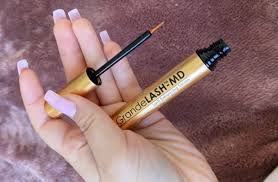
What Spurred on the Grande Lash Lawsuit?
The Grande Cosmetics company, maker of GrandeLASH-MD, is targeted in lawsuits claiming the serum was deceived about to the general public. Although sold as a cosmetic, court documents indicate that it included isopropyl cloprostenate, a prostaglandin analog. The ingredient is similar chemically to drugs in prescription glaucoma medications as well as FDA-approved lash growth treatments.
The Core Allegations
Failure to Disclose Risks
Shoppers claim they were not cautioned on possible long-term eye damage.
Deceptive Marketing Practices
By labeling the serum as a cosmetic, the company purportedly avoided tighter FDA regulation.
Consumer Harm
Users report experiencing eye redness, darkening of eyelids, discoloration of the irises, and changes to their vision.
The synergy of purported mislabeling and physical injury lays the foundation for the Grande Lash lawsuit and may provide access to substantial compensation for those impacted.
Documented Side Effects Consumers Reported
Whereas most users reported longer lashes, others assert that the serum caused unforeseen and in some cases permanent side effects. Side effects reported include:
- Recurring eye irritation and dryness
- Changes in pigmentation of eyelids and under-eye area
- Permanent darkening of the iris, particularly in lighter-colored irises
- Vision disturbance such as blurred or foggy eyesight
- Thinning or loss of eyelashes following extended use
Legal Bases of the Grande Lash Lawsuit
Plaintiffs’ grounds against Grande Cosmetics rest on several legal theories frequently used in product liability cases:
Misrepresentation of a Cosmetic
Plaintiffs contend the serum was more akin to a drug than a cosmetic.
Failure to Warn Consumers
Alarming dangers were supposedly understated or not mentioned on labels at all.
Violation of Consumer Protection Laws
False advertising could be an example of deceptive trade practices.
Negligence and Product Liability
If the product is proven to cause injury, the manufacturer can be held financially accountable.
Depending on court rulings, impacted individuals may be granted refunds, reimbursement for medical expenses, or compensation for long-term injuries.
Do You Qualify to Join the Lawsuit?
Not all GrandeLASH-MD purchasers will be qualified to join the lawsuit. You might be eligible if you:
- Bought the product in the United States
- Suffered eye irritation, pigmentation, or vision issues
- Can furnish proof of purchase or product package
- Sought medical attention associated with your symptoms
For most, getting involved in a class action lawsuit is the most sensible option, while others can bring individual claims based on the nature of their injuries.
What to Do if You Experienced Side Effects
If you have been injured by GrandeLASH-MD, it’s crucial to take intentional actions to preserve your health and your legal rights:
- Stop Using the Product Immediately if symptoms appear.
- Seek Medical Care and request documentation of your condition.
- Preserve Evidence such as product tubes, packaging, and receipts.
- Keep a Journal of your symptoms and any changes over time.
- Consult a Product Liability Attorney to explore your legal options.
The Bigger Picture: Lash Serums Under Scrutiny
The Grande Lash lawsuit is not an isolated event. Other cosmetic firms have also been sued over products that contain prostaglandin analogs. The cases raise this question: should serums for lashes that use potent, drug-like chemicals be regulated like cosmetics—or as prescription medications?
If judges rule with consumers, we might expect to see tighter controls on the beauty business, clearer labeling, and greater responsibility for product safety.
FAQ: Grande Lash Lawsuit
Final Thoughts
The Grande Lash lawsuit highlights the dangers of beauty products that threaten to cross over from cosmetics into pharmaceuticals. As impressive as they may promise to make your lashes look, consumers are entitled to know about their possible risks.
If you feel you’ve been injured by GrandeLASH-MD, now is the time to see a legal expert and assert your rights. With increased lawsuits, the result of these lawsuits might redefine the entire beauty sector—and hold people responsible in the future.