
How AI Image Generators Are Changing the Way We Create Visual Content
Visual content has always been at the heart of digital communication. Whether you are a marketer, a content creator, a small business owner, or just someone who loves making things look beautiful online, images matter. For a long time, creating high-quality visuals required expensive software, professional designers, or hours of manual work. That is no longer the case. Artificial intelligence has stepped in to make image creation faster, easier, and more accessible than ever before.
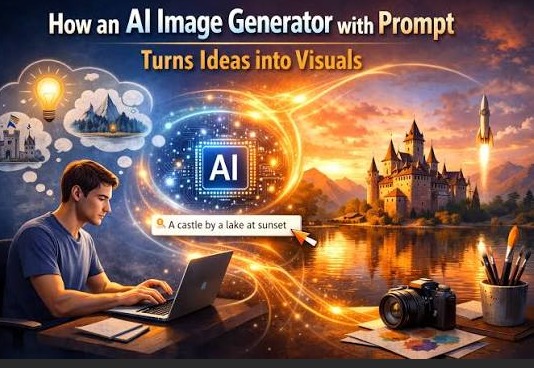
One of the most exciting developments in this space is the rise of tools that let anyone generate stunning visuals from a simple text prompt. Using an AI image generator like the one offered by CapCut, users can type a description and receive a fully rendered, high-quality image within seconds. This technology is not just a novelty. It is becoming a core part of how individuals and businesses produce creative content at scale.
What Is an AI Image Generator and How Does It Work
An AI image generator is a tool powered by machine learning models that have been trained on massive datasets of images and text. When you type a prompt, the model interprets your words and generates a visual output that matches your description. The more specific your prompt, the more accurate and detailed the result tends to be.
These tools use techniques like diffusion models and neural networks to produce images that can look photorealistic, artistic, illustrated, or abstract depending on what you ask for. The process happens in a matter of seconds, which is a dramatic shift from traditional design workflows that could take hours or even days.
Key Components Behind the Technology
- Text-to-image models trained on billions of image-text pairs
- Natural language processing to understand user prompts accurately
- Diffusion processes that gradually refine noise into a coherent image
- Style and quality controls that allow users to adjust outputs
Who Benefits Most from AI Image Generation
The beauty of this technology is how broadly it applies across different industries and use cases. It is not limited to professional designers or tech-savvy users. Almost anyone with a creative idea can benefit.
Content Creators and Social Media Managers
Creating fresh, eye-catching visuals for social media every day is exhausting. AI image tools allow creators to generate unique thumbnails, post graphics, and promotional images without needing a design background. This saves time and keeps content pipelines moving smoothly.
Small Business Owners
Hiring a graphic designer for every marketing need is not always affordable for small businesses. AI image generation gives entrepreneurs the ability to produce professional-looking product images, banners, and advertisements on a tight budget.
Educators and Students
Teachers can create custom illustrations for lessons, and students can generate visuals for presentations and projects. This makes learning more engaging and helps communicate complex ideas in a visual format.
Game Developers and Writers
Concept art, character designs, and world-building visuals can all be generated quickly using AI tools. This helps developers and authors visualize their ideas before committing to full production.
Practical Tips for Getting Better Results
Getting the most out of an AI image generator comes down to how well you craft your prompts. Here are some practical tips to improve your outputs:
- Be specific about the subject, setting, lighting, and mood you want
- Include style references such as “watercolor,” “photorealistic,” or “cartoon”
- Mention the perspective or composition, like “bird’s eye view” or “close-up portrait”
- Experiment with different variations of the same prompt to find the best result
- Use negative prompts if the tool supports them to exclude unwanted elements
The Ethical Side of AI-Generated Images
As with any powerful technology, AI image generation comes with responsibilities. There are ongoing conversations about copyright, the use of training data, and the potential for misuse. It is important for users to apply these tools ethically, avoid generating misleading or harmful content, and respect intellectual property guidelines set by the platforms they use.
Reputable platforms like CapCut are working to build safeguards into their tools to prevent misuse while still giving users creative freedom. Choosing a trusted platform is an important step in using this technology responsibly.
Conclusion
AI image generation is not a passing trend. It is a fundamental shift in how visual content is created, shared, and consumed. From social media graphics to business marketing materials, the applications are wide-ranging and growing every day. Tools that were once only available to large companies with big budgets are now accessible to anyone with an internet connection and a creative idea. As the technology continues to improve, the barrier between imagination and execution will keep getting smaller, opening up new possibilities for creators everywhere.