
How Florida’s No-Fault System Shapes a Car Accident Claim
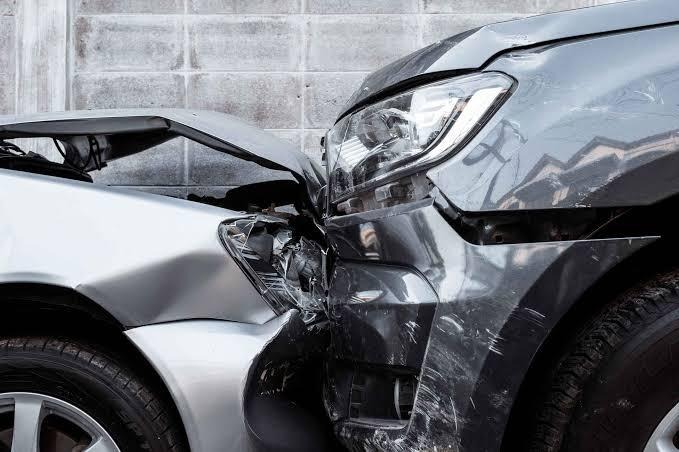
Florida’s no-fault insurance system changes how a car accident claim unfolds from the very first phone call to an insurance company, and that structure surprises a lot of people who assume fault gets sorted out immediately after a crash. Every driver in the state is required to carry personal injury protection coverage that pays initial medical expenses regardless of who caused the collision, which means the question of fault often gets addressed on a separate, slower track running alongside the immediate medical claim.
Why PIP Coverage Is Only the First Layer
That no-fault requirement covers a limited amount, though, and once medical expenses exceed what personal injury protection provides, or once an injury meets a specific threshold of severity, the door opens to a broader claim against the at-fault driver directly. Understanding exactly when that threshold gets crossed, what legal rights injured drivers have, and what documentation actually proves the claim tends to matter more than most injured drivers realize in the early weeks after a crash.Personal injury protection coverage itself typically caps out at a modest amount, and once that limit is reached, medical bills continue accumulating without any insurance actively paying them unless a broader claim gets pursued. That gap between when PIP coverage runs out and when a liability claim actually gets resolved can leave injured drivers facing mounting medical debt in the interim, which is part of why understanding the timeline for pursuing the broader claim matters well before the PIP coverage is actually exhausted.
A personal injury attorney tarpon springs residents contact after a serious injury typically starts by reviewing medical records specifically for language that meets Florida’s legal definition of a qualifying injury permanent injury, significant scarring, or a similarly defined threshold under state law. Records that describe an injury in purely clinical terms without addressing this specific legal threshold sometimes need supplemental documentation from a treating physician before a broader claim against the at-fault driver can even move forward.
Why Fault Percentages Matter More Than People Expect
Comparative negligence complicates even seemingly straightforward crashes more than people expect walking in. Florida reduces a damages award by whatever percentage of fault a jury or insurance adjuster assigns to the injured party, and insurance companies routinely look for any contributing factor following slightly too closely, a delayed reaction that shows up in traffic camera footage that might shift some percentage of blame away from their own policyholder.
Florida’s specific comparative negligence rule bars recovery entirely once an injured party is found more than fifty percent at fault, which raises the stakes on close cases considerably compared to states with a more forgiving threshold. A driver assigned even a slightly higher percentage of blame than the other party involved can lose the ability to recover anything at all, which is part of why disputing an unfairly high fault percentage matters even in cases where some shared responsibility genuinely exists.
Evidence gathered in the immediate aftermath of a crash tends to carry more weight than anything reconstructed weeks later, since physical conditions at the scene change quickly and memories of exact details fade faster than most people expect. Traffic camera footage at busy intersections, when it exists, often gets overwritten within a limited retention window, which is part of why requesting preservation of that footage soon after a crash matters more than waiting until a claim is formally underway.
Why Tourist Traffic Complicates Tarpon Springs Crashes
Coastal and tourist-heavy areas like Tarpon Springs present their own particular evidentiary challenges, since seasonal traffic patterns can shift dramatically between a quiet off-season week and a crowded weekend when out-of-town visitors unfamiliar with local roads are navigating unfamiliar intersections. A tarpon springs car accident lawyer handling a crash that happened during a busy tourist weekend often has to account for a wider pool of potential witnesses who may have already left town by the time anyone starts trying to track them down.
Rental vehicles and out-of-state drivers add a further layer of complexity common in areas that see significant seasonal visitor traffic, since determining which insurance policy actually applies can involve a rental car company’s own coverage, a visiting driver’s home-state policy, and Florida’s specific rules about how these different coverage sources interact. Sorting out which policy pays first, and how much, often takes longer than a crash between two local drivers with standard Florida policies would.
Language barriers occasionally add another layer to these tourist-area crashes, since international visitors involved in a collision may need translated documentation or an interpreter present for any recorded statement given to an insurance company. Recorded statements taken without full mutual understanding between the parties can create inaccuracies in the official record that become difficult to correct later, which is part of why ensuring genuine comprehension during any early statement matters as much as the substance of the statement itself.
Why Spring Hill’s Older Intersections Sometimes Matter
Spring Hill’s road network presents a different set of practical considerations, since the area includes a mix of newer suburban development alongside older roads that predate the area’s more recent growth. Intersections that were adequate for traffic volume decades ago sometimes now handle considerably more daily traffic than they were originally designed for, and that mismatch between road design and current usage occasionally becomes relevant when a crash happens at a location with a documented history of similar incidents.
A spring hill car accident lawyer reviewing one of these cases sometimes requests the specific intersection’s crash history from local records, since a pattern of similar incidents at the same location can support an argument that a road design issue contributed to the crash, separate from whatever the two drivers involved did individually. That kind of pattern evidence doesn’t remove responsibility from an at-fault driver, but it can factor into a broader case if a municipality’s own road design played some contributing role.
Requesting that crash history typically involves a formal records request to the county or municipal traffic engineering department, and the results sometimes reveal previous complaints about visibility, signal timing, or signage that never led to any actual change before the crash in question occurred. Documenting that kind of pre-existing complaint history can matter considerably if a case eventually involves a claim against a governmental entity responsible for road maintenance, since those claims typically require showing the entity had some awareness of the hazard beforehand.
None of these considerations mean every car accident claim in this part of Florida follows an identical path, since the specific facts of a crash, where it happened, who was involved, and how quickly evidence got preserved shape the case considerably more than any general assumption about how these claims typically resolve. The importance of evidence becomes especially clear when determining how the crash occurred and whether an injury meets the legal threshold for a broader claim. Understanding the interplay between Florida’s no-fault system and the broader fault-based claim that opens up once an injury meets the legal threshold tends to matter more than any single piece of advice about what to do immediately after a crash.