
How to Recover After Minor Injury by Creating a Comfortable Home Space
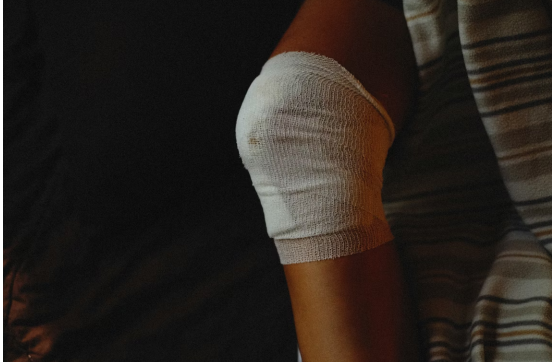
A slip on wet stairs that tweaks your ankle. A minor fender-bender that leaves your neck stiff. A kitchen mishap that results in a shallow cut requiring stitches. While these incidents might seem insignificant compared to major trauma, the reality is that minor injuries affect millions of Americans each year — and how you handle the first few days of recovery often determines whether you’re back to normal activities in a week or still dealing with lingering issues months later.
The difference isn’t just in the injury itself, but in the recovery environment you create at home. Most people focus exclusively on immediate medical care — ice, elevation, bandaging — without considering how their living space either supports or hinders the healing process. Yet research consistently shows that environmental factors, from lighting and accessibility to stress levels and sleep quality, play crucial roles in tissue repair and overall recovery outcomes.
For anyone navigating the aftermath of a minor injury, understanding how to transform your home into a true recovery sanctuary can accelerate healing, reduce complications, and help you return to full function more quickly than conventional approaches suggest.
How Does a Supportive Home Environment Aid Recovery?
Your physical surroundings during recovery aren’t just about comfort — they’re active participants in the healing process. When you’re dealing with a sprained ankle, strained back, or healing wound, every interaction with your environment either supports tissue repair or creates additional stress on your system.
Reducing physical strain is the most obvious benefit of a well-designed recovery space. Simple modifications like moving frequently used items to easily accessible locations, clearing pathways of obstacles, and positioning furniture to minimize awkward movements can prevent re-injury and reduce the compensatory movements that often create secondary problems. Consider someone recovering from a minor shoulder injury who has to reach overhead for everyday items — each unnecessary stretch not only risks aggravating the original injury but also places unnatural stress on other muscle groups.
The psychological impact of your recovery environment is equally important, though often overlooked. A cluttered, poorly lit, or uncomfortable space generates low-level stress that interferes with the body’s natural healing mechanisms. Elevated cortisol levels from environmental stressors can slow tissue repair, impair immune function, and increase pain perception. Conversely, a calm, organized space with adequate natural light and comfortable seating promotes the relaxed state necessary for optimal healing.
Practical accessibility modifications don’t require major renovations. Strategic placement of pillows for elevation, ensuring good lighting near seating areas, keeping water and medications within easy reach, and creating clear pathways all contribute to an environment that supports rather than hinders recovery. The goal is eliminating the small daily frustrations and physical challenges that accumulate into significant obstacles to healing.
This environmental foundation becomes even more critical when combined with proper injury management techniques and lifestyle adjustments that directly support tissue repair.
What Are Best Practices for Managing Minor Injuries at Home?
Effective home management of minor injuries goes beyond the standard “rest, ice, compression, elevation” advice to encompass a more nuanced understanding of when and how to use different treatments. The key is matching your approach to both the type of injury and the stage of healing you’re experiencing.
How to Manage Pain and Inflammation Effectively at Home
Cold therapy works best in the first 48-72 hours after injury, when inflammation is most acute. Apply ice for 15-20 minutes at a time, with at least 45 minutes between applications to prevent tissue damage. Frozen peas wrapped in a thin towel often conform better to irregular body parts than rigid ice packs. However, avoid cold therapy if you have circulation problems or reduced sensation in the injured area.
Heat therapy becomes more beneficial after the initial inflammatory phase, typically 3-4 days post-injury. Heat increases blood flow and can help relax tense muscles around the injury site. Use warm (not hot) compresses for 15-20 minutes, or take warm baths if the injured area can be safely immersed. Never apply heat to acute injuries or if swelling is still present.
Over-the-counter medications can be strategic allies when used correctly. Ibuprofen and naproxen reduce both pain and inflammation, making them ideal for the first few days after injury. Acetaminophen effectively manages pain without anti-inflammatory effects, which can be preferable once you want natural inflammation to support healing. Always follow dosing instructions and be aware of potential interactions with other medications.
Compression and elevation work by managing fluid accumulation around the injury site. Compression should be snug but not tight enough to impair circulation — if fingers or toes become cold, numb, or discolored, loosen the wrap immediately.
What Are Essential Wound Care Steps for Minor Injuries?
Initial cleaning sets the foundation for proper healing. Rinse the wound gently with clean water to remove debris — avoid hydrogen peroxide or alcohol directly on the wound, as these can damage healing tissue. Pat dry with a clean cloth and apply a thin layer of antibiotic ointment if you’re not allergic to its ingredients.
Proper dressing protects the wound while allowing appropriate moisture levels for healing. Change dressings daily or whenever they become wet or dirty. Signs of infection include increased redness extending beyond the immediate wound area, warmth, pus, red streaking, or fever. Any of these symptoms warrant immediate medical attention.
Keep the wound covered for the first few days, then allow brief periods of air exposure once initial healing is established. Contrary to popular belief, most wounds heal faster in a slightly moist environment rather than when allowed to “air dry” completely.
Watch for changes in pain levels — some discomfort is normal, but increasing pain after the first day or two may indicate complications that require professional evaluation.
Why Are Rest, Sleep, and Stress Reduction Vital for Healing?
The relationship between rest and recovery extends far beyond simply “taking it easy.” During sleep and periods of deep rest, your body shifts into repair mode, releasing growth hormones, increasing protein synthesis, and directing energy toward tissue reconstruction rather than daily activities.
Quality sleep becomes particularly crucial during injury recovery because much of the cellular repair work happens during deep sleep phases. Growth hormone, which plays a key role in tissue healing, is primarily released during the first few hours of sleep. Adults recovering from minor injuries often need 7-9 hours of sleep per night, possibly more than their usual requirement. Creating optimal sleep conditions — cool, dark room, comfortable positioning that doesn’t aggravate the injury, and consistent sleep schedule — directly impacts healing speed.
Stress management affects recovery through multiple physiological pathways. Chronic stress elevates cortisol levels, which can interfere with immune function, slow collagen synthesis, and increase pain sensitivity. The frustration of being sidelined by injury, concerns about recovery timeline, or worry about missed work and activities can create a stress cycle that impedes healing.
Simple stress reduction techniques adapted for injury recovery include guided breathing exercises, gentle meditation apps designed for physical discomfort, and maintaining social connections even when physical activity is limited. Some people find that audiobooks or podcasts provide mental engagement without the physical positioning demands of reading.
Active rest doesn’t mean complete immobility for most minor injuries. Gentle movement that doesn’t stress the injured area helps maintain circulation, prevents stiffness, and supports overall well-being. The key is distinguishing between therapeutic movement and activity that risks re-injury — a balance that shifts as healing progresses.
Consider someone recovering from a minor back strain who might benefit from short, gentle walks while avoiding lifting or twisting motions. The mental health benefits of appropriate activity often support physical healing by reducing stress and maintaining a sense of normalcy.
How Do Nutrition and Hydration Support Tissue Repair?
Proper nutrition during injury recovery provides the raw materials your body needs for tissue repair while supporting immune function and managing inflammation. The increased metabolic demands of healing mean that nutritional needs often exceed normal requirements, even for minor injuries.
Protein requirements increase during recovery because collagen synthesis — essential for wound healing and tissue repair — depends on adequate amino acid availability. Adults typically need 20-25% more protein than usual during active healing phases. Quality sources include lean meats, fish, eggs, dairy products, legumes, and nuts. Spreading protein intake throughout the day optimizes absorption and utilization.
Anti-inflammatory nutrients can support the body’s natural healing response while helping manage pain and swelling. Omega-3 fatty acids found in fish, walnuts, and flax seeds have documented anti-inflammatory effects. Vitamin C supports collagen formation and immune function — citrus fruits, berries, and leafy greens provide excellent sources. Zinc, found in meat, seeds, and whole grains, plays crucial roles in wound healing and protein synthesis.
Hydration affects every aspect of the healing process, from nutrient transport to waste removal. Adequate fluid intake helps maintain blood volume for optimal circulation to injured tissues, supports lymphatic drainage to reduce swelling, and ensures efficient kidney function for processing metabolic byproducts. The general recommendation of 8 glasses per day may need adjustment upward during recovery, particularly if you’re taking anti-inflammatory medications that can affect kidney function.
Some people find that meal planning becomes more challenging when mobility is limited. Preparing healing-focused meals in advance or arranging for nutritious convenience options ensures that dietary support for recovery doesn’t become an additional stress factor. The goal is consistency rather than perfection — sustained adequate nutrition trumps short-term dietary optimization.
What Is the Role of Gradual Movement and Monitoring Progress?
The transition from initial rest to full activity represents the most critical phase of minor injury recovery, where proper pacing prevents re-injury while inappropriate caution can lead to prolonged dysfunction. Understanding how to navigate this progression safely requires attention to your body’s signals and awareness of common pitfalls.
How to Safely Reintroduce Movement During Recovery
Progressive loading is the principle that guides safe return to activity. Start with movements that don’t cause pain and gradually increase intensity, duration, or complexity as tissues adapt. For a sprained ankle, this might mean beginning with gentle ankle circles and progressing through partial weight bearing, full weight bearing, walking, and eventually running or jumping activities.
Pain as a guide requires nuanced interpretation. Some discomfort during movement is normal as tissues remodel and strengthen, but sharp pain or pain that worsens during activity typically signals tissue stress that exceeds current healing capacity. The general rule: if pain increases during activity or is worse the next day, you’ve pushed too hard and should reduce intensity.
Gentle exercises that promote circulation and maintain flexibility often begin within the first few days of injury. These might include range-of-motion exercises for joints above and below the injury site, breathing exercises that engage core muscles without stressing the injured area, or light walking for lower extremity injuries when weight-bearing is tolerated.
The psychological aspect of returning to activity shouldn’t be underestimated. Fear of re-injury can lead to protective movement patterns that actually increase injury risk by creating compensation patterns and muscle imbalances.
What Signs Indicate the Need for Medical Attention?
Red flag symptoms that warrant immediate medical evaluation include signs of infection (increasing redness, warmth, pus, red streaking), circulation problems (persistent numbness, tingling, or color changes), or systemic symptoms like fever or malaise. For traumatic incidents involving potential head injury, including those that seem minor, the legal and insurance aspects of recovery can become unexpectedly complex, particularly when medical bills accumulate or when determining fault becomes contentious — situations where legal representation in Kansas City might become necessary to protect your interests.
Healing timeline deviations also indicate need for professional assessment. While recovery rates vary, most minor soft tissue injuries show significant improvement within 7-10 days and substantial healing within 2-3 weeks. Lack of progress, worsening symptoms, or new problems developing during recovery may indicate complications like secondary injury, underlying conditions, or inadequate initial treatment.
Functional limitations that persist beyond expected timeframes deserve professional evaluation. If you’re unable to perform normal daily activities or return to pre-injury function within the expected recovery window, physical therapy or medical reassessment may identify specific barriers to healing that weren’t apparent initially.
The key is balancing appropriate self-care with recognition of your limitations. Most minor injuries respond well to conservative home management, but knowing when to seek additional help prevents minor problems from becoming major complications.
Final Thought
Creating an optimal recovery environment at home transforms healing from something that happens to you into something you actively support. The intersection of proper physical setup, evidence-based injury care, attention to rest and nutrition, and thoughtful progression back to activity creates conditions where your body’s natural healing capacity can work most effectively. As you implement these strategies, remember that recovery is rarely linear — some days will feel better than others, and that’s completely normal in the healing process.