
Important Social Media KPIs for Law Firm Growth
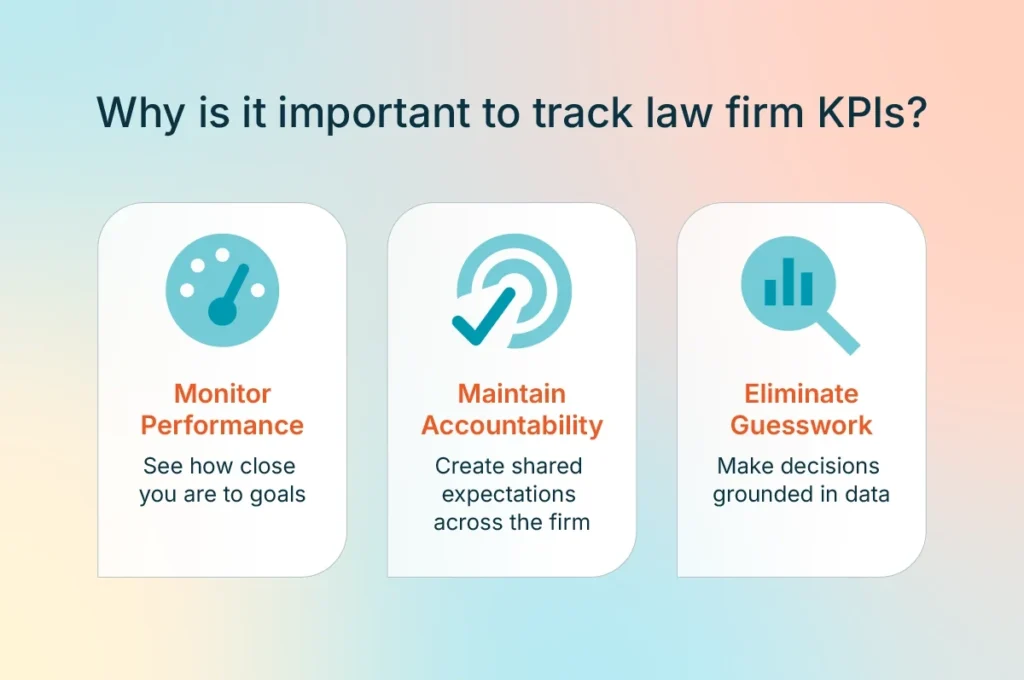
For law firms, social media has evolved far beyond simply posting legal tips or sharing firm news. It has become a core driver of brand awareness, client acquisition, and professional credibility. But without tracking the right metrics, even the most active social presence can amount to little more than noise. Key Performance Indicators (KPIs) give law firms a clear picture of what’s working, what’s not, and where to focus effort for maximum growth.
1. Follower Growth Rate
Raw follower count is vanity—follower growth rate is insight. This KPI measures the percentage increase (or decrease) in your audience over a given period. A steady upward trend signals that your content is resonating and your firm’s reputation is expanding. For law firms, consistent growth on platforms like LinkedIn and Instagram indicates that your thought leadership and educational content are attracting potential clients and referral sources.
2. Engagement Rate
Engagement rate measures how actively your audience interacts with your content—likes, comments, shares, and saves divided by total reach or followers. For law firms, high engagement is particularly meaningful.
“A prospective client who comments on a post about estate planning or family law is a warm lead. Engagement signals trust, and trust is the foundation of every attorney-client relationship.”, says the law firm Bailey and Galyen in Arlington.
Aim for an engagement rate above 1–3% on LinkedIn and higher on Instagram or Facebook.
3. Reach and Impressions
Reach refers to the number of unique users who saw your content, while impressions count total views (including repeat views by the same person). Together, these metrics tell you how widely your firm’s message is spreading. For brand awareness campaigns—such as announcing a new practice area or highlighting a case win—reach is especially important. Growing impressions without growing reach may indicate your content is being seen repeatedly by the same people, which is a signal to broaden your targeting.
4. Website Traffic from Social Media
Social media should drive potential clients to your firm’s website—where they can read attorney bios, explore practice areas, and ultimately make contact. Use tools like Google Analytics to track how much traffic comes from each social platform. A high click-through rate (CTR) from social posts to your site indicates compelling calls-to-action and relevant content. If traffic is low, it may be time to revisit your posting strategy, landing pages, or the alignment between your social content and your website.
5. Lead Generation and Conversions
Ultimately, the most important KPI for any law firm is whether social media is generating actual leads. Track how many consultation requests, contact form submissions, or direct messages originate from social channels. Many firms use UTM parameters or dedicated landing pages to attribute leads accurately. Even a handful of qualified leads per month from social media can represent significant revenue, making this metric the clearest indicator of return on investment.
6. Content Performance by Type
Not all content performs equally. Track engagement and reach broken down by content format—video, carousel posts, infographics, plain text, and client testimonials. Law firms often find that short-form educational videos and Q&A posts outperform generic announcements. Understanding which content types drive the most interaction allows you to double down on what works and retire what doesn’t.
Putting It All Together
Tracking these KPIs consistently—monthly at minimum—gives law firms the data needed to make smart, strategic decisions about their social media presence. The goal isn’t simply to be active online; it’s to build a measurable pipeline from social engagement to signed clients. Firms that commit to KPI-driven social strategies consistently outpace competitors who post without purpose.
Start by establishing baselines for each metric, set realistic monthly growth targets, and review your data regularly. With the right KPIs in place, social media becomes one of the most powerful and cost-effective growth tools in a modern law firm’s marketing arsenal.