
Navigating Personal Injury Claims: What You Need to Know
Primary Causes of Commercial Vehicle Accidents in Pensacola
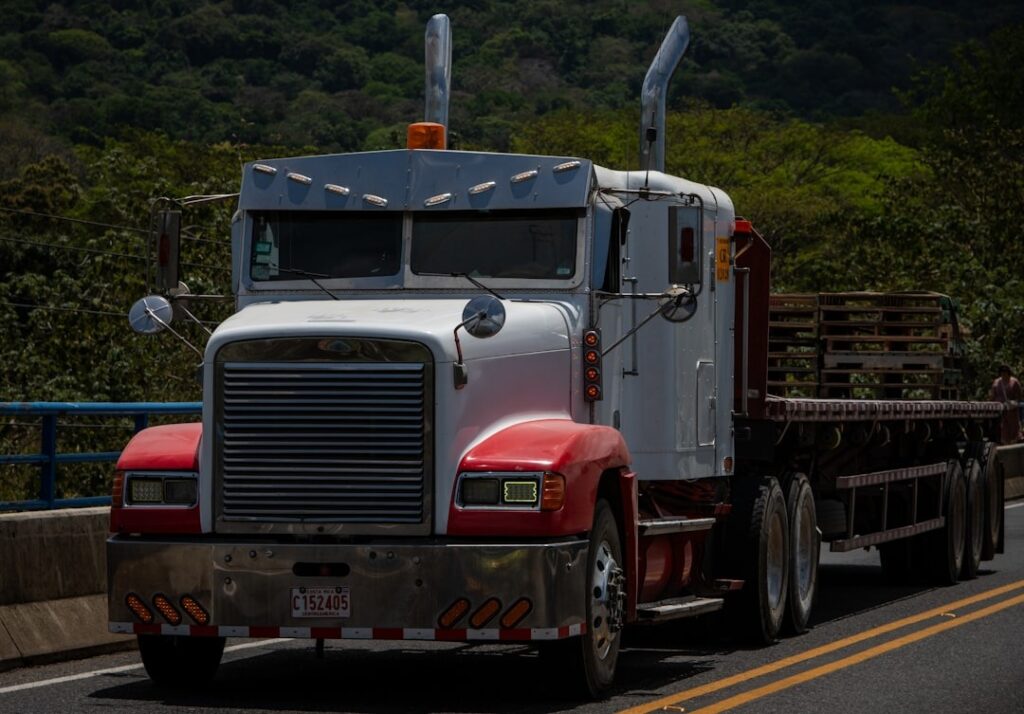
The sheer scale of commercial trucks means that even minor errors can lead to catastrophic outcomes. In Pensacola, as across Florida, several factors consistently emerge as the most common causes of these severe incidents. Understanding these underlying issues is crucial for both prevention and for comprehending the complexities of post-accident legal proceedings.
Driver-Related Factors: Fatigue, Distraction, and Aggression
One of the most insidious dangers on our roads is driver fatigue. Truck drivers often face immense pressure to meet tight delivery schedules, leading to extended hours behind the wheel. This can result in impaired judgment, slowed reaction times, and even “microsleeps” – brief, involuntary periods of sleep that can be deadly at highway speeds. Federal regulations exist to combat this, but violations still occur. We’ll delve deeper into these regulations shortly.
Distracted driving is another pervasive issue, exacerbated by the sheer size and momentum of a commercial vehicle. A moment spent looking at a phone, adjusting a GPS, or even eating can mean a fully loaded tractor-trailer, which can weigh up to 80,000 pounds, travels hundreds of feet without the driver’s full attention. On busy Pensacola thoroughfares like the I-10 corridor, where traffic can change rapidly, such distractions are incredibly dangerous. Given that a standard car traveling at 65 mph can stop in about 300 feet, while a fully loaded semi-truck needs nearly 600 feet to come to a halt, the consequences of delayed braking are clear.
Beyond fatigue and distraction, speeding and aggressive driving by truck operators also contribute significantly to accidents. While trucks are often perceived as slow-moving, some drivers push the limits, especially when trying to make up time. This aggressive behavior, coupled with the truck’s immense weight and longer stopping distances, creates a hazardous environment for smaller vehicles. According to various reports on truck accidents in Florida, these driver behaviors are consistently among the top causes. For a broader look at common accident triggers, you can refer to articles discussing the top causes of truck accidents in Florida.
Vehicle and Environmental Factors: Defects, Maintenance, and Road Conditions
It’s not always driver error that leads to tragedy. Vehicle defects, poor maintenance, and equipment failures play a significant role. Imagine a truck’s brakes failing on a downhill slope, or a tire blowing out at highway speeds. These mechanical issues can be due to manufacturing defects, inadequate pre-trip inspections, or a trucking company’s failure to adhere to maintenance schedules. When a commercial truck carries loads weighing more than 26,000 pounds, any mechanical fault can quickly escalate into a severe accident.
Road conditions also present substantial hazards. Pensacola, like many regions, experiences varied weather patterns, from torrential rain to strong winds, which can drastically reduce visibility and traction. Potholes, crumbling asphalt, and soft shoulders can cause a truck to lose control, particularly if the driver is unprepared or the vehicle is heavily loaded. These conditions can easily lead to rollovers or other severe crashes. For instance, a vehicle with a high center of gravity, common in many truck designs, is inherently more prone to rollover accidents, especially when encountering sudden steering inputs or uneven road surfaces. Rollover accidents, while constituting about 3% of all motor vehicle accidents each year, cause approximately 30% of all roadway fatalities, highlighting their severity. Learning about the three leading causes of rollover accidents can provide further insight into this particular risk.
In summary, the most common causes of truck accidents in Pensacola are a complex interplay of human factors, mechanical issues, and environmental challenges. These include:
- Driver Fatigue: Often due to long hours and pressure to meet deadlines.
- Distracted Driving: Any activity diverting attention from the road.
- Speeding and Aggressive Driving: Exacerbated by a truck’s size and stopping distance.
- Vehicle Defects and Poor Maintenance: Leading to brake failures, tire blowouts, and other mechanical issues.
- Adverse Road Conditions and Weather: Potholes, soft shoulders, rain, and wind compromising control.
- Improper Cargo Loading: Shifting loads that destabilize the truck.
- High Center of Gravity: Making certain truck designs more susceptible to rollovers.
Understanding the Role of Personal Injury Law in Trucking Litigation

When a truck accident occurs, the aftermath is often far more complex than a typical car collision. This is where Pensacola personal injury law becomes critically important. The legal landscape surrounding truck accidents is heavily influenced by federal regulations, multiple potential liable parties, and the severe nature of the injuries involved.
Unlike standard car accidents, commercial trucking incidents fall under the stringent oversight of the Federal Motor Carrier Safety Administration (FMCSA). These FMCSA regulations govern virtually every aspect of commercial trucking, from driver qualifications and vehicle maintenance to cargo securement and, notably, hours of service (HOS). These federal rules are designed to prevent the very causes of accidents we’ve just discussed, particularly driver fatigue. For a deeper understanding of who might be held responsible in these complex scenarios, exploring resources like Who Is Liable In A Florida Truck Accident can be very helpful.
To illustrate the stark difference in complexity, consider the following comparison:
| Aspect | Passenger Car Accident | Commercial Truck Accident
How Personal Injury Law Addresses Driver Fatigue and HOS Violations
The FMCSA’s HOS regulations are a cornerstone of truck safety. They stipulate, for instance, that a truck driver can operate for a maximum of 11 hours after 10 consecutive hours off duty, and that their on-duty time cannot exceed 14 hours in a day. Furthermore, drivers must take a 30-minute break within the first 8 hours of their shift. Weekly limits also apply, typically requiring a 34-hour restart after reaching 60 hours on duty in 7 days or 70 hours in 8 days.
When an accident occurs, a key part of our investigation involves scrutinizing these regulations. Evidence of HOS violations can be found in electronic logging devices (ELDs) and traditional paper logbooks. If a driver was operating beyond their legal limits, their judgment and reaction times would likely be compromised, leading to accidents caused by factors such as microsleeps or delayed responses.
In such cases, liability often extends beyond the individual driver. The trucking company can be held accountable for driver negligence if they pressured the driver to violate HOS rules, failed to properly monitor their logs, or did not provide adequate rest facilities. This corporate accountability is a vital component of personal injury law, aiming to incentivize safer practices across the industry. When evaluating potential claims, we meticulously review these federal regulations to establish negligence and pursue justice for victims. For more information on how fatigue impacts truck safety, you can read about truck driver fatigue as a leading cause of accidents in Florida.
Navigating Complex Liability Under Personal Injury Law
One of the most challenging aspects of truck accident cases is determining liability. Unlike a typical car accident where fault usually rests with one or two drivers, a truck accident can involve a multitude of parties. This complexity is why these cases are often referred to as “multi-party litigation.”
Beyond the truck driver and the trucking company (who may be held responsible through vicarious liability for their employee’s actions), other entities can also share fault. These might include:
- Cargo loaders or shippers: If the cargo was improperly loaded or secured, leading to a weight shift and loss of control.
- Equipment manufacturers: If a defective part, such as faulty brakes or a steering component, contributed to the crash.
- Maintenance vendors: If an outside company was responsible for vehicle maintenance and failed to perform necessary repairs.
- Trailer owners: If the tractor and trailer are owned by separate entities.
Identifying all potentially liable parties is crucial because it expands the pool of available insurance coverage, which is often essential given the catastrophic nature of truck accident injuries. A fully loaded tractor-trailer can weigh up to 80,000 pounds, making impacts with passenger vehicles incredibly destructive.
Our legal team focuses on meticulous evidence preservation immediately following an accident. This includes issuing “spoliation letters” to all relevant parties, demanding they retain critical evidence such as black box data (event data recorders), driver qualification files, maintenance records, and drug test results. These pieces of evidence are vital for reconstructing the accident and proving negligence. For further reading on liability in specific types of truck accidents, an article on rear-end truck accidents in Pensacola can offer additional insights.
Common Types of Trucking Collisions and Mechanical Failures
The sheer size and operational characteristics of commercial trucks mean they are prone to specific types of accidents that are less common for passenger vehicles. In Pensacola, we frequently see these distinct collision types, often compounded by mechanical failures or improper loading. Understanding these categories helps to pinpoint liability and the unique challenges they present.
Distinct Collision Types
- Rear-End Collisions: These are particularly devastating when involving a semi-truck. Due to their immense weight and significantly longer stopping distances—nearly 600 feet for a fully loaded truck at 65 mph, compared to 300 feet for a car—trucks often cannot stop in time to avoid hitting vehicles ahead. These collisions frequently occur on highways like I-10 or at busy intersections, especially when truck drivers are fatigued, distracted, or following too closely. The impact can crush smaller vehicles, leading to severe injuries or fatalities.
- Jackknife Accidents: A jackknife occurs when the trailer of a semi-truck swings out to form a 90-degree angle with the cab, resembling a folding pocketknife. This can happen when a driver brakes too hard, especially on wet or slippery roads, or during sudden maneuvers. The uncontrolled trailer can sweep across multiple lanes, causing widespread damage and trapping other vehicles.
- Blind-Spot “No-Zone” Accidents: Commercial trucks have extensive blind spots on all four sides—front, back, and especially along the sides. These areas are often referred to as “no-zones” because if a smaller vehicle is in one, the truck driver cannot see it. Accidents occur when a truck driver attempts to change lanes, turn, or merge without realizing a vehicle is in their blind spot, leading to sideswipe collisions or forcing other vehicles off the road.
- Underride Crashes: These are among the most horrific truck accidents. An underride collision happens when a smaller vehicle slides underneath the trailer of a truck, often shearing off the top of the car and causing catastrophic injuries or decapitation to its occupants. These are particularly dangerous in rear-end or side-impact scenarios, especially if the truck’s underride guards are absent, damaged, or improperly designed.
For a comprehensive overview of these and other accident types, you may find the article on different types of truck accidents in Pensacola to be a valuable resource.
Mechanical Failures and Cargo Issues
Beyond collision types, mechanical failures and issues with cargo loading are significant contributors to truck accidents.
- Equipment Failure: This encompasses a range of issues, from brake malfunctions and steering system failures to suspension problems. Proper maintenance is critical, but sometimes parts fail due to defects or wear and tear that was overlooked. Brake failure, in particular, can render an 80,000-pound truck uncontrollable, leading to devastating impacts.
- Tire Blowouts: A blown tire on a commercial truck can cause the driver to lose control, especially at highway speeds. This can be due to underinflation, overloading, road debris, or manufacturing defects. A sudden blowout can lead to rollovers, jackknifes, or collisions with other vehicles.
- Improper Cargo Loading: The way a truck’s cargo is loaded and secured is paramount to its stability. If the load is too heavy, unevenly distributed, or not properly tied down, it can shift during transit. A shifting load can alter the truck’s center of gravity, making it difficult to steer or causing it to roll over, especially on curves or during sudden braking. This is particularly dangerous for vehicles with a high center of gravity, which are already susceptible to rollovers. Steering jerks or sudden lateral forces, often caused by attempts to correct an unstable truck, can also precipitate a rollover.
These mechanical and cargo-related issues highlight the importance of not only driver responsibility but also the accountability of trucking companies, maintenance providers, and cargo loaders. Victims of such incidents often sustain severe injuries, which can be further explored in our guide to common truck accident injuries.
Immediate Steps and Compensation for Victims
Being involved in a truck accident in Pensacola is a traumatic experience. The moments immediately following the crash are critical, not only for your physical well-being but also for protecting your legal rights. Knowing what steps to take can significantly impact your ability to seek justice and obtain fair compensation.
What to Do Immediately After a Truck Accident
- Prioritize Safety and Seek Medical Attention: Your health is paramount. If you are able, move to a safe location away from traffic. Even if you feel fine, it’s crucial to seek immediate medical evaluation. Many serious injuries, particularly soft tissue damage or concussions, may not manifest symptoms until hours or days later. Medical records are also vital evidence for your claim.
- Call 911: Report the accident to law enforcement. A police report will document key details of the incident, including the date, time, location, parties involved, and initial assessment of fault.
- Gather Evidence at the Scene (If Safe):
- Photo Documentation: Use your phone to take pictures of everything – vehicle damage (both yours and the truck’s), the accident scene from multiple angles, road conditions, traffic signs, skid marks, debris, and any visible injuries.
- Witness Statements: If there are witnesses, get their contact information. Their unbiased accounts can be invaluable.
- Exchange Information: Collect the truck driver’s name, contact information, driver’s license number, insurance details, and the trucking company’s name and DOT number.
- Do Not Admit Fault: Avoid discussing fault with anyone at the scene, including the truck driver, other motorists, or even police officers. Stick to the facts.
- Limit Communication with Insurance Companies: While you must report the accident to your own insurer, be cautious when speaking with the trucking company’s insurance adjusters. They are not on your side and may try to minimize your claim or get you to say something that could harm your case. It’s best to direct them to your attorney.
- Contact a Pensacola Truck Accident Attorney: Given the complexities of truck accident cases, contacting an experienced legal team as soon as possible is crucial. We can immediately issue spoliation letters to the trucking company, legally obligating them to preserve critical evidence like black box data, driver logs, and maintenance records, which they might otherwise destroy.
Compensation and Legal Timelines
Victims of truck accidents in Pensacola can seek various types of compensation for their losses. These recoverable damages typically fall into a few categories:
- Economic Damages: These cover quantifiable financial losses, including:
- Medical Expenses: Past and future costs of emergency care, hospital stays, surgeries, rehabilitation, medications, and ongoing therapy.
- Lost Wages: Income lost due to time off work for recovery, as well as future lost earning capacity if injuries prevent you from returning to your previous job.
- Property Damage: Costs to repair or replace your vehicle and any other damaged property.
- Non-Economic Damages: These address intangible losses that significantly impact your quality of life, such as:
- Pain and Suffering: Physical pain, emotional distress, mental anguish, and discomfort caused by the accident and injuries.
- Loss of Enjoyment of Life: Inability to participate in hobbies, activities, or daily routines you once enjoyed.
- Disfigurement or Permanent Impairment: Compensation for lasting physical changes or disabilities.
- Punitive Damages: In rare cases, if the at-fault party’s conduct was exceptionally reckless or malicious, punitive damages may be awarded to punish the wrongdoer and deter similar behavior.
It’s vital to be aware of the Florida statute of limitations. For most personal injury claims, including those arising from truck accidents, you generally have a two-year deadline from the date of the accident to file a lawsuit. Missing this deadline can result in losing your right to seek compensation forever.
Our legal process involves thorough investigation, expert consultations (e.g., accident reconstructionists, medical specialists), and meticulous settlement negotiations with insurance companies. While many cases resolve through settlement, we are always prepared for trial preparation if a fair offer cannot be reached. Having a dedicated Pensacola truck accident attorney on your side ensures your rights are protected every step of the way.
Frequently Asked Questions
What are the most common causes of truck accidents in Pensacola?
The most common causes of truck accidents in Pensacola mirror those seen across Florida and the nation. These primarily include distracted driving, where a driver’s attention is diverted from the road; driver fatigue, often due to long hours and pressure to meet deadlines; improper maintenance of the truck’s components, leading to failures like brake issues or tire blowouts; hazardous road conditions such as potholes or soft shoulders, particularly during adverse weather; and dangerous driver behaviors like speeding and aggressive maneuvers, especially on high-traffic routes like the I-10 corridor.
Who can be held liable in a Pensacola truck accident?
Liability in a Pensacola truck accident can extend to multiple parties. This often includes the truck driver for negligence (e.g., fatigue, distraction, speeding), the motor carrier (trucking company) for vicarious liability, negligent hiring, or pressuring drivers to violate regulations. Additionally, cargo shippers or loaders can be liable if improper loading caused the accident, vehicle manufacturers for defective parts, and maintenance facilities for failing to properly service the truck. Identifying all responsible parties is crucial for victims to secure comprehensive compensation.
Why are truck accident cases more complex than regular car accidents?
Truck accident cases are significantly more complex than regular car accidents due to several factors. Firstly, they involve extensive federal oversight from the FMCSA, with specific regulations (like hours-of-service) that require specialized legal knowledge to navigate. Secondly, there are often multiple defendants (driver, trucking company, cargo loader, manufacturer, etc.), complicating the determination of fault and insurance claims. Thirdly, commercial trucks carry much higher insurance limits, leading to aggressive defense tactics from well-funded legal teams. Fourthly, the sheer size of trucks often results in catastrophic injuries, increasing the stakes of the claim. Finally, these cases frequently involve highly technical evidence such as black box data, ELD logs, and maintenance records, which require expert analysis.
read more : Contractual Clarity: Improving Transparency in Long-Term Service Agreements
Conclusion
In May 2026, the roads of Pensacola continue to be busy arteries for commercial trucking. While these vehicles are vital for our economy, the potential for devastating accidents remains a serious concern. As we’ve explored, the causes are multifaceted, ranging from critical human errors like driver fatigue and distracted driving to mechanical failures and challenging road conditions.
Understanding these common causes is the first step towards promoting greater road safety and ensuring accountability. For victims of these severe incidents, navigating the aftermath can be overwhelming. The complexities of federal regulations, multi-party liability, and the pursuit of fair compensation underscore the critical need for experienced legal guidance.
If you or a loved one has been impacted by a truck accident in Pensacola, you don’t have to face these challenges alone. Seeking authoritative guidance from a legal team experienced in truck accident litigation is paramount to protecting your rights and securing the justice and recovery you deserve. Our commitment is to advocate for victims, uphold safety standards, and help achieve legal recovery in these challenging times.
For a free consultation and to learn more about your options, please visit us at www.fenimoreinjurylaw.com/pensacola-truck-accident-attorney/.