
Safety Tips to Reduce Car Accident Risks
Key Takeaways
- Maintain a safe following distance using the two-second rule.
- Adhere strictly to posted speed limits.
- Stay vigilant in school and construction zones.
- Utilize seat belts and ensure proper use of child safety seats.
- Avoid driving under the influence of alcohol or drugs.
- Stay alert and minimize distractions while driving.
- Be cautious during adverse weather conditions.
- Regularly maintain your vehicle to ensure optimal performance.
Car accidents remain a significant concern for drivers, passengers, and pedestrians alike. With thousands of injuries and fatalities every year, it is crucial to take proactive steps to protect yourself and others while on the road. By following practical tips and consulting an auto accident attorney after a collision, you can make informed choices and reduce future risks.
Adopting sound driving practices and maintaining vigilance can greatly improve road safety for you and your community. Whether you are a new driver or a seasoned motorist, integrating these actions into your daily routine makes a real difference. Greater awareness and consistency not only keep you legal but also dramatically reduce the risk of collisions and injuries to you, your passengers, and others.
Establishing good driving habits is essential in every circumstance, from your daily commute to challenging road conditions. Implementing the right strategies is a shared responsibility that ensures everyone’s safety. Accidents are often preventable, so each precaution taken can save lives and spare families from unnecessary hardship.
Before getting behind the wheel, consider these key points to help prevent accidents and protect everyone on the road.
Maintain a Safe Following Distance
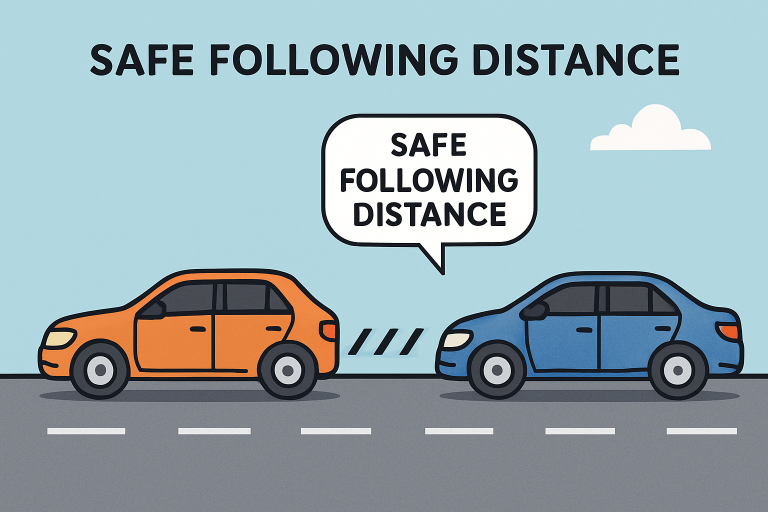
Allowing sufficient distance between your vehicle and the car in front gives you valuable time to react to sudden stops or emergencies. The widely recommended two-second rule is quick and easy: spot a roadside marker, and count two seconds after the vehicle ahead passes before your car reaches the same spot. This gives you a critical buffer in normal conditions. During poor weather, double or triple the distance for added safety. Tailgating can lead to serious rear-end collisions, so always maintain space and remain attentive to changing traffic patterns.
Adhere to Speed Limits
Speeding is one of the most persistent causes of dangerous crashes, especially in urban and densely trafficked areas. Staying within posted speed limits is essential for recognizing hazards and preventing loss of vehicle control. Adapt your speed for heavy rain, fog, or crowded streets, and avoid rushing through yellow lights. Safe speeds offer much greater time to maneuver, helping you avoid unexpected hazards such as crossing pedestrians or stalled vehicles.
Stay Vigilant in School and Construction Zones
Both school and construction zones are areas where standard rules do not always apply. Temporary signage, uneven surfaces, and reduced speed limits require heightened attention and patience. In school zones, children may move unpredictably or cross roads suddenly. Construction zones often present abrupt lane shifts or detours. Carefully watch for signage, reduce your speed, and remain alert to workers, equipment, and pedestrians to ensure everyone makes it home safely.
Utilize Seat Belts and Child Safety Seats
Wearing a seat belt is one of the simplest and most effective ways to survive a crash. Statistics show that buckling up reduces the risk of fatal injury for front-seat passengers by about 45 percent. Ensure that everyone in your vehicle buckles up before driving, and never start the engine without this confirmation. For children, select the appropriate safety seat according to age, weight, and height. Always follow installation instructions closely and check that seats are securely locked in place. Properly using child restraints is critical for their well-being in an accident.
Avoid Driving Under the Influence
Intoxication by alcohol or drugs, including prescription medication, endangers you, your passengers, and everyone you encounter behind the wheel. Impaired drivers have delayed reactions, clouded judgment, and lower inhibitions, which contribute to thousands of preventable tragedies each year. Arrange for a sober driver, use a ride-sharing service, or stay off the roads if you are not fully alert and capable. The law on impaired driving is strict for good reason: zero tolerance keeps families and communities safer.
Stay Alert and Minimize Distractions
Driver distraction is an ever-growing threat. It can be as harmless as changing a playlist or as hazardous as texting at highway speeds. To maintain focus:
- Store your smartphone out of sight and silence alerts while driving.
- Avoid eating, applying makeup, or reaching for items in the vehicle when on the road.
- Keep your eyes moving and check mirrors regularly for traffic changes around you.
Be Cautious During Adverse Weather Conditions
Bad weather compounds driving risks, requiring careful adjustments to speed and behavior. In wet, icy, or foggy conditions:
- Reduce your speed and lengthen the following distance between vehicles.
- Use headlights or fog lights to increase your visibility for others.
- Steer and brake calmly to avoid skidding or hydroplaning.
Stay updated on incoming weather conditions before setting out, especially if you expect hazardous changes.
Regular Vehicle Maintenance
Your car’s reliability can mean the difference between a close call and a dangerous accident. Regularly inspect your brakes, tires, lights, and fluid levels, and promptly handle warning lights or unusual noises. Well-maintained vehicles are more responsive and less likely to malfunction when it matters most. Commitment to a maintenance checklist not only protects you but also everyone sharing the road.
Through consistent practice of these strategies, drivers can transform daily habits and contribute to much safer roads for every traveler. Small, responsible actions make a tremendous difference and reinforce the shared responsibility of safety behind the wheel.