
Simple Steps to Prevent Grease Fires in Your Kitchen
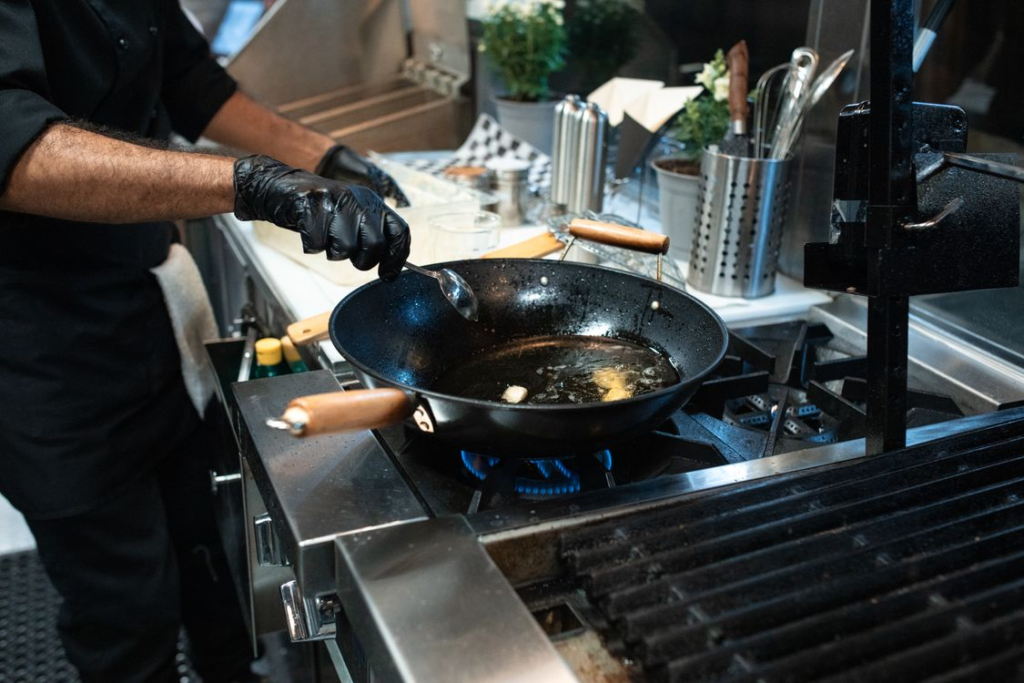
According to the National Fire Protection Association’s 2023 data, cooking fires account for 50% of all home structure fires, with grease fires representing the most dangerous and fastest-spreading kitchen incidents. While smart home technology and improved appliance design have enhanced many aspects of modern cooking, the fundamental risks around hot oil and fat remain unchanged — and in some ways, more complex.
The challenge facing home cooks today isn’t just about following basic safety rules. Modern kitchens pack more high-heat cooking methods, deeper fryers, and multitasking scenarios into smaller spaces than ever before. Add in the distractions of smartphones and busy lifestyles, and you have a recipe for the kind of split-second oversights that turn routine meal prep into emergency situations.
For anyone who regularly cooks with oil — whether you’re searing steaks, deep-frying chicken, or simply sautéing vegetables — understanding how grease fires ignite and spread can mean the difference between a minor kitchen mishap and a house fire. The mechanics behind these incidents reveal why traditional fire safety advice often falls short, and what actually works to prevent them.
How Do Kitchen Grease Fires Start and Spread?
Grease fires don’t behave like other household fires, and that’s what makes them so dangerous. When cooking oil reaches its smoke point — typically between 350°F and 450°F depending on the type — it begins breaking down and releasing flammable vapors. Push the temperature just 50-100 degrees higher, and you hit the flash point where these vapors can ignite instantly from any spark, flame, or even the hot surface of the pan itself.
Here’s what catches most people off guard: the transition from smoking oil to active fire happens in seconds, not minutes. Unlike a paper fire that starts small and builds gradually, grease fires explode across the entire surface of the oil almost simultaneously. The burning oil can splatter, spreading fire to nearby surfaces, and if you’re dealing with a deep fryer or large pan, you might have several cups of flaming liquid that can overflow and spread across countertops.
The real danger escalates when people instinctively reach for water. Water and burning grease create a violent reaction — the water instantly vaporizes into steam, expanding by roughly 1,600 times its liquid volume and launching burning oil droplets in all directions. This can turn a contained pan fire into flames covering your entire stovetop, nearby walls, and even the ceiling.
Grease fires also generate intense heat very quickly. While a typical house fire might reach 1,000°F after several minutes of burning, a grease fire can hit those temperatures within the first minute. This rapid heat buildup can ignite nearby combustibles — dish towels, wooden utensils, paper products — before you’ve even had time to assess what’s happening.
The smoke from grease fires presents another hazard that’s often overlooked. Unlike wood or paper smoke, burning oil creates thick, acrid fumes that can quickly fill a kitchen and adjacent rooms. These fumes not only reduce visibility, making it harder to respond effectively, but they’re also more toxic than typical cooking smoke and can cause respiratory irritation even after brief exposure.
What Are the Key Risk Factors in Kitchen Fire Hazards?
Unattended cooking remains the leading cause of kitchen fires, but the modern version of this problem looks different than it did a generation ago. Today’s cooks often juggle multiple burners, monitor devices, and handle interruptions that pull attention away from active cooking. The dangerous window isn’t just stepping away for five minutes — it’s the 30-second phone call or doorbell ring that happens right when oil temperature spikes past the safe zone.
Temperature control failures create another major risk category. Many home cooks lack reliable ways to monitor oil temperature, relying instead on visual cues like bubbling or the behavior of test drops. Professional chefs use thermometers because they understand that oil temperature can climb 50 degrees in under a minute once it passes the optimal cooking range. Home kitchens often lack this precision, creating situations where oil overheats before the cook realizes what’s happening.
Overcrowding and equipment mismatch amplifies fire risk in ways that aren’t immediately obvious. Using a pan that’s too small for the amount of oil, cooking multiple high-heat dishes simultaneously on adjacent burners, or placing flammable items too close to cooking surfaces creates a cascade of risk factors. The problem compounds when kitchen layouts force cooks to reach across active burners or when counter space limitations push combustible materials — paper towels, wooden cutting boards, dish cloths — into the danger zone around stovetops.
Poor maintenance of cooking equipment represents a hidden but significant hazard. Grease buildup on stovetops, in vent hoods, and around burner areas creates additional fuel for fires once they start. Range hoods that don’t function properly allow grease vapors to accumulate, while dirty or damaged cookware can heat unevenly and create hot spots that push oil temperatures beyond safe limits without warning.
Personal factors also influence fire risk in measurable ways. Fatigue, alcohol consumption, medication effects, and high stress levels all correlate with increased kitchen fire incidents. These conditions affect judgment, reaction time, and attention to detail — exactly the capabilities you need most when working with high-heat cooking methods. Understanding these risk factors helps explain why kitchen fires often happen during parties, holidays, or other times when cooks are operating under less-than-ideal conditions.
Which Fire Prevention Strategies Work Best in Kitchens?
The most effective prevention strategies address the root causes of grease fires rather than just the symptoms. This means focusing on temperature control, attention management, and creating systems that work even when you’re distracted or rushed.
Prevention Methods for Home Cooking
Temperature monitoring transforms grease fire prevention from guesswork into precision. Digital infrared thermometers designed for cooking provide instant oil temperature readings without contact, letting you track heat levels in real-time. The investment — typically $15-30 — pays for itself the first time it prevents oil from overheating past the danger zone. Professional cooks maintain oil temperatures between 325°F and 375°F for most applications, well below the 450°F flash point where fires typically ignite.
Strategic kitchen setup creates multiple layers of protection around high-heat cooking. Keep a properly rated fire extinguisher within arm’s reach of your stove — but make sure it’s a Class K extinguisher specifically designed for cooking fires, not the multipurpose ABC types that can spread burning grease. Position a large, flat lid nearby that can completely cover your largest pan, and clear combustible materials from a three-foot radius around active burners before you start cooking.
Attention management systems help maintain focus during critical cooking phases. Turn off phones, finish conversations, and handle interruptions before starting high-heat cooking with oil. If you must step away, turn off the heat source entirely rather than just reducing it — oil retains heat and can continue climbing in temperature even on a lower setting. Many experienced cooks use timer systems that alert them every 2-3 minutes during active frying, creating regular check-in points that prevent dangerous oversights.
Safety Tips for Commercial Kitchen Environments
Professional kitchen fire prevention operates at a different scale and complexity level, requiring systematic approaches that work across multiple staff members and cooking stations. Commercial operations benefit from automated suppression systems that detect temperature spikes and deploy fire-suppressing agents without human intervention. These systems activate faster than any manual response and can contain fires before they spread beyond the immediate cooking area.
Staff training protocols in professional kitchens emphasize situational awareness and clear communication during high-risk cooking operations. Teams establish verbal callouts when oil temperatures approach danger zones, designate specific roles during busy periods to maintain temperature monitoring, and practice fire response procedures regularly enough that reactions become automatic. The most effective programs include hands-on training with controlled grease fire simulations, so staff understand fire behavior under realistic conditions.
Equipment maintenance schedules in commercial settings prevent the grease accumulation that can accelerate fire spread. Daily cleaning of cooking surfaces, weekly deep cleaning of ventilation systems, and monthly inspection of fire suppression equipment create multiple checkpoints that catch problems before they become hazards. Professional kitchens also maintain detailed temperature logs during high-volume cooking periods, creating data that helps identify patterns and risk factors specific to their operations and menu items.
What Should You Do During and After a Kitchen Fire Emergency?
When a grease fire ignites, your response in the first 10-15 seconds determines whether you’re dealing with a minor incident or calling the fire department. Turn off the heat source immediately — this stops additional fuel from feeding the fire and begins the cooling process that will eventually extinguish it. Never move a burning pan, as this spreads flaming oil and increases your risk of serious burns.
For small pan fires, the most effective suppression method is smothering with a tight-fitting lid. Approach from the side, not directly over the flames, and slide the lid across the pan rather than dropping it straight down. The lid cuts off oxygen supply and contains the fire, but you must leave it in place for several minutes to allow cooling. Lifting the lid too early reintroduces oxygen and can reignite the fire instantly.
Larger fires or multiple ignition points require different tactics. Class K fire extinguishers work by creating a barrier between the fuel and oxygen while cooling the burning oil below its ignition temperature. Aim at the base of the flames, not the tips, and use a sweeping motion across the entire fire area. If the fire involves multiple pans or has spread beyond the cooking surface, evacuate immediately and call emergency services — these situations exceed what any homeowner should attempt to handle alone.
Never use water, flour, or baking soda on grease fires. Water creates explosive splattering that spreads burning oil. Flour and baking soda are combustible and can actually fuel the fire rather than extinguish it. Even fire blankets, while effective for some kitchen fires, can be dangerous with grease fires because the burning oil can soak through the material.
After any kitchen fire, even one you’ve successfully extinguished, ventilate the area thoroughly and inspect for hidden damage. Grease fires can ignite materials inside walls or cabinets that continue smoldering after the visible flames are out. Check surrounding areas for heat damage, and if there’s any doubt about complete extinguishment, have the fire department perform a safety inspection. For incidents involving property damage or potential injuries from smoke inhalation, consulting with fire incident legal advice specialists helps navigate insurance claims and liability questions that can arise even from seemingly minor kitchen accidents.
Recovery steps focus on identifying what went wrong and preventing recurrence. Document the incident while details are fresh — what you were cooking, the sequence of events, and environmental factors that may have contributed. This information helps you adjust your cooking practices and can be valuable if insurance claims become necessary. Replace any damaged equipment before resuming normal cooking operations, and consider upgrading safety equipment if the incident revealed gaps in your fire prevention setup.
The most important post-fire step is honest assessment of what led to the incident. Whether it was temperature monitoring failure, distraction, equipment malfunction, or simple oversight, identifying the root cause helps you implement specific changes rather than just hoping it doesn’t happen again. Kitchen fires often reveal patterns in cooking habits or kitchen setup that create ongoing risk — addressing these systemic issues provides better long-term protection than just replacing damaged equipment and resuming previous practices.