
Struggling To Meet Fire Safety Requirements? Expert Fire Watch Solutions Assist
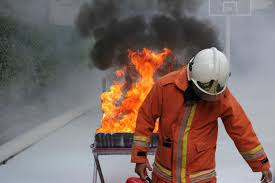
Safety gaps appear faster than most managers expect. A disabled alarm panel creates immediate concern. Sprinkler repairs can trigger compliance issues overnight. During such periods, building owners need practical protection, not assumptions. Professional monitoring fills critical coverage gaps while systems remain unavailable. From construction zones to occupied facilities, trained personnel help reduce exposure and maintain required safety standards. In these situations, fire watch guards become an essential safeguard.
Compliance Gaps Create Immediate Risk
A functioning safety system serves multiple purposes. It protects occupants, satisfies regulations, and limits liability exposure. Once equipment stops operating, responsibilities change quickly.
Local requirements often demand continuous observation during outages. Delays may invite penalties or operational restrictions. Property managers cannot afford uncertainty when hazards remain present.
A hotel undergoing electrical replacement faces different concerns than a warehouse storing combustible materials. Each setting requires attention tailored to site conditions rather than generic oversight.
What Makes Professional Fire Watch Effective?
Patrol duties involve more than walking corridors. Skilled personnel identify warning signs before situations worsen.
Key responsibilities often include:
- Checking exit access points
- Watching equipment generating excess heat
- Recording observations during patrol rounds
- Reporting unusual conditions immediately
Those records matter during inspections. Clear documentation demonstrates active compliance efforts while repairs continue.
Why Do Trained Personnel Spot Problems Faster?
Experience sharpens observation, small details reveal larger concerns.
Consider exposed wiring near temporary materials. An inexperienced observer may overlook the hazard entirely. A trained professional recognizes elevated ignition potential within seconds.
During system outages, fire watch guards monitor conditions across designated areas. Their attention extends beyond visible flames. Smoke odors, blocked exits, overheating machinery, and unauthorized activities often receive equal scrutiny because each factor increases overall danger.
Practical Benefits Beyond Regulatory Requirements
Organizations often request coverage for compliance reasons. Additional advantages emerge once monitoring begins.
Benefits may include:
- Faster incident reporting
- Better site awareness
- Stronger emergency readiness
Additional value appears through:
- Reduced property exposure during repairs
- Improved confidence among occupants and visitors
- Clear accountability during temporary vulnerabilities
- Enhanced coordination with emergency responders
These outcomes carry measurable value during projects involving elevated safety concerns.
Choosing a Provider Worth Trusting
Selection deserves careful evaluation. Credentials alone reveal little about field performance.
Decision-makers should examine:
- Response readiness
- Patrol reporting quality
- Industry experience
- Staff reliability records
- Communication practices
Questions about previous assignments often reveal useful insights. A provider familiar with healthcare facilities may approach risks differently than one focused on industrial environments. Matching expertise to site conditions produces stronger protection.
FAQs
How long should fire watch coverage remain active?
Coverage remains necessary while required systems stay unavailable. Once repairs finish and approvals occur, monitoring requirements often end. Exact timelines depend upon site conditions and applicable regulations.
Can fire watch services operate during construction?
Yes. Construction areas present elevated ignition risks. Temporary power sources, cutting equipment, and material storage create conditions requiring close observation throughout project activities.
Are patrol reports important?
Absolutely. Inspection records demonstrate compliance efforts. They create a documented history showing active monitoring during periods when safety equipment remains unavailable.
Does every property need identical coverage?
No. Occupancy levels, building layouts, operational activities, and hazard profiles influence monitoring plans. Effective protection reflects actual site conditions rather than a standardized checklist.
When Attention Prevents Expensive Consequences
A blocked emergency exit may appear minor initially. During an evacuation, that obstruction changes everything. The same principle applies when alarm systems remain offline. Risk rarely announces its arrival. Protection comes from disciplined observation, accurate reporting, and informed judgment. Buildings undergoing repairs, renovations, or equipment failures benefit most when trained eyes remain present, watching details others might dismiss.