
The Common Mistakes That Can Hurt an Injury Case
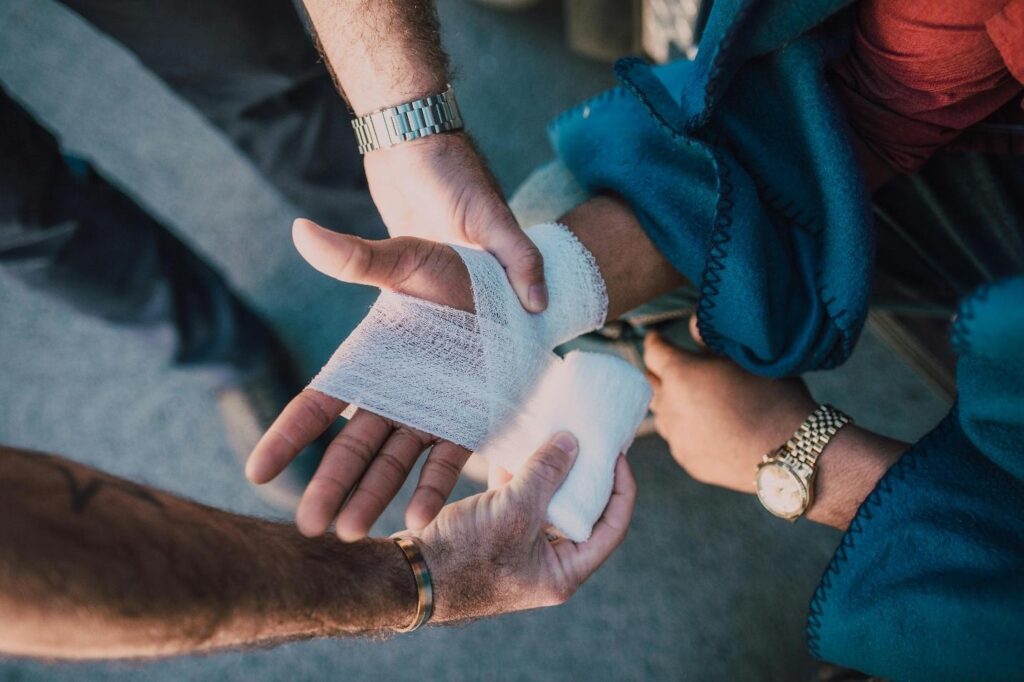
A lot of injury cases start getting weaker within the first few days, usually before the injured person understands what is happening. Someone leaves the accident scene thinking they are mostly fine, then wakes up the next morning stiff and barely able to turn their neck. Another person talks too freely with an insurance adjuster because they assume being cooperative will automatically help.
Meanwhile, life keeps moving. Bills still need attention, work keeps calling, and medical appointments start stacking up fast. People delay treatment, rush through paperwork, or post too much online because they are stressed and tired. Small decisions made under pressure end up carrying more weight than expected.
Why Speaking Too Freely Can Create Problems Later
Most people are not prepared for how quickly insurance conversations begin after an accident. Adjusters call early because they want information while details are fresh, but injured people are often still shaken up, medicated, or unsure about the full extent of what happened. Casual statements made during those calls can create problems later, even when the person was simply trying to cooperate.
People say things like “I’m probably fine” or “I didn’t see them coming,” not realizing those comments may later be used to minimize the claim or shift blame. Stress affects memory, too. Details change as people process events more clearly afterward, which can make early statements seem inconsistent even when nobody intended to mislead anyone.
That is partly why many injury cases become less about the accident itself and more about documentation, timing, and communication afterward. People often underestimate how carefully their actions will be reviewed once claims move further into the process.
For that reason, many injured individuals choose to speak with a personal injury attorney before giving detailed recorded statements or signing broad insurance paperwork. Early legal guidance can help people understand what information matters, what rights they still have, and how certain decisions may affect the claim later on. It is usually less about confrontation and more about avoiding preventable mistakes while everything still feels chaotic.
Waiting Too Long to Take the Situation Seriously
One common problem in injury cases is delay. People often wait too long before seeing a doctor because they assume soreness will fade on its own. Sometimes it does. Sometimes the body reacts slowly after trauma, especially with back injuries, soft tissue damage, or head injuries that become noticeable days later.
Insurance companies pay attention to those delays immediately. Gaps between the accident and medical treatment create questions about whether the injury was serious to begin with. That does not mean someone is lying. It just means the timeline becomes harder to explain later. Medical records carry a lot of weight in injury claims because they create a documented history showing when symptoms started and how treatment progressed over time.
There is also the practical side of recovery. Injuries left untreated often become harder to manage physically, especially when people continue working through pain without understanding what was actually damaged. A lot of workers try to push through injuries because missing work feels financially impossible. Then the condition worsens quietly over several weeks.
Social Media Causes More Damage Than People Think
Social media creates problems in injury cases more often now because people document their everyday lives constantly without thinking much about how it looks from the outside. Someone posts a smiling photo during a family dinner, and suddenly, the insurance company argues the injuries cannot be very serious. Context disappears quickly online.
The issue is not usually fraud. Most injured people are simply trying to live normally where they can. They attend a birthday party for one hour, post a photo, then spend the next day dealing with pain afterward. Social media rarely captures that second part.
Even casual comments can become complicated. Joking about the accident. Complaining about money. Saying recovery is going “better now.” Small statements get pulled apart later because insurance investigations often focus heavily on consistency. That pressure catches people off guard.
Some individuals respond by deleting everything immediately after an accident, but even that can create issues if it looks like evidence was intentionally removed. It becomes another unnecessary complication layered onto an already stressful situation.
Missing Medical Appointments Sends the Wrong Message
Treatment gaps create problems for injury claims, even when there are understandable reasons behind them. Life gets complicated after accidents. People miss appointments because transportation falls apart, work schedules change, childcare becomes difficult, or medical costs start piling up too quickly. Unfortunately, missed treatment still affects how injuries are viewed. Insurance companies may argue that the condition was not serious enough to require ongoing care. Consistent treatment helps show that symptoms continued and recovery was actively being managed.
Doctors also rely on regular follow-ups to track improvement or worsening symptoms over time. Without that documentation, it becomes harder to connect long-term pain or complications directly back to the accident itself. A lot of injury cases become arguments over records and timelines, more than dramatic courtroom moments people imagine from television. There is another uncomfortable reality, too. Some injuries heal more slowly than people expect, especially when stress, physical work demands, or existing health problems are involved. Recovery is rarely as neat and predictable as people want it to be.
Trying to Handle Everything Alone
Some injured people avoid legal or medical help early because they worry it will seem excessive. Others assume straightforward accidents should stay simple enough to manage independently. Sometimes that works out fine. Other times, important deadlines, paperwork issues, or liability disputes appear later after mistakes have already happened.
Insurance systems are built around documentation and negotiation. Most individuals only deal with serious injury claims once or twice in their lives, if ever. Meanwhile, adjusters, investigators, and legal teams handle these situations every day as part of their job. That imbalance matters more than people realize.
There is also emotional exhaustion involved. Injured people are often balancing pain, financial stress, work concerns, family responsibilities, and uncertainty about recovery all at once. Decision-making gets worse under that kind of pressure. People sign things too quickly because they want closure. They settle early because they are tired. The mistakes that hurt injury cases are usually ordinary human reactions to stressful situations. Delayed treatment. Poor communication. Incomplete records. Social media posts made without much