
The Role of Criminal Justice Professionals in Modern Society
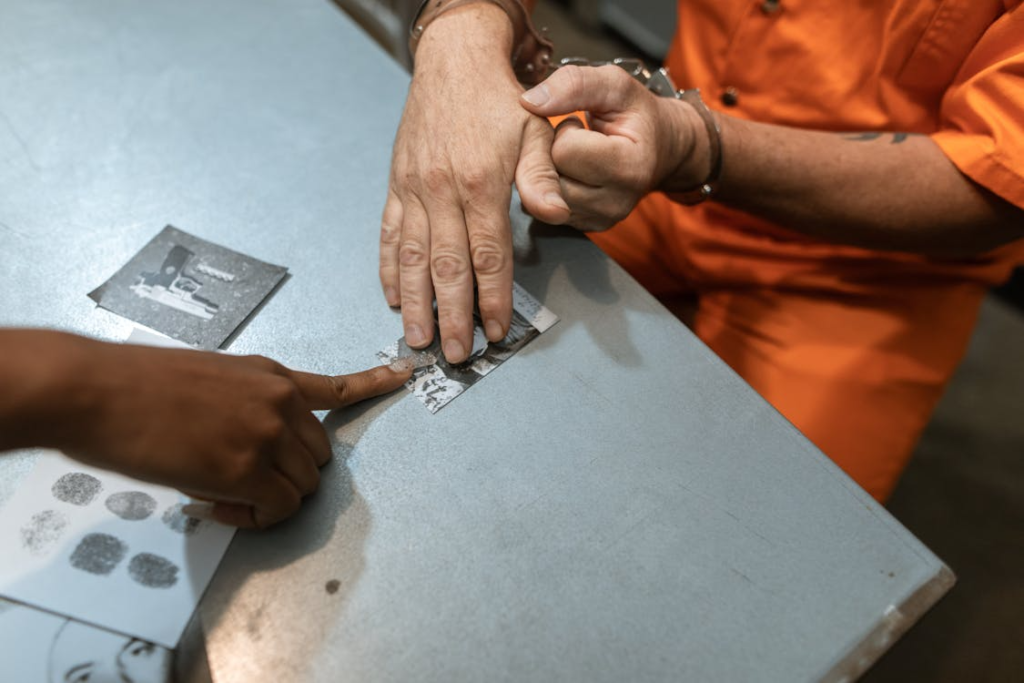
Have you ever wondered who keeps order when things go wrong, and how they decide what “justice” really means? In today’s fast-changing world, criminal justice professionals do far more than arrest suspects or sit behind a bench. They balance safety, fairness, and public trust in a time shaped by technology, social movements, and rising expectations. Their role has expanded, and so have the challenges they face.
A System Under Constant Pressure
Modern criminal justice systems are under more public scrutiny than ever before, largely due to social media and 24-hour news cycles that bring every decision into the spotlight. One viral video can spark national debate overnight, forcing professionals to act carefully and communicate clearly.
At the same time, rising crime concerns in some U.S. cities and global discussions about policing reforms have added pressure. Criminal justice professionals must now work not only to enforce laws but also to maintain public confidence. This dual responsibility makes their role both demanding and deeply influential in ways that shape long-term trust and institutional legitimacy everywhere.
Education and Training Shape the Field
The path into criminal justice has evolved alongside the profession itself, with many people seeking flexible ways to prepare for these roles. Online colleges for criminal justice have become popular because they allow working adults to study while gaining real-world experience.
Training now goes beyond basic law enforcement tactics and includes ethics, mental health awareness, and community relations. Professionals are expected to understand diverse populations and handle complex situations with care. This shift reflects a broader trend where knowledge and empathy are just as important as authority, helping build a more responsive and effective system.
Law Enforcement Beyond Arrests
Police officers today are often the first responders not just to crimes, but to social issues like homelessness, addiction, and mental health crises. This means their work frequently involves problem-solving rather than simply making arrests.
Many departments are adopting community policing strategies, where officers build relationships with residents to prevent crime before it happens. This approach recognizes that trust is a powerful tool, even if it cannot be measured as easily as arrest numbers. It also highlights the growing need for officers to act as mediators, counselors, and public servants all at once.
The Courts and the Search for Fairness
Judges, prosecutors, and defense attorneys play a key role in deciding outcomes that can change lives forever. Their work involves interpreting laws, weighing evidence, and ensuring that rights are protected, even in highly emotional cases.
Recent discussions around bail reform and sentencing disparities show how the courts are evolving. There is increasing attention on reducing bias and ensuring equal treatment under the law. While the system is far from perfect, many professionals are pushing for changes that make justice more consistent and fair for everyone involved.
Corrections and Rehabilitation Efforts
Correctional officers and rehabilitation specialists are often overlooked, yet they play a vital role in what happens after a sentence is given. Their work focuses not only on maintaining safety within facilities but also on preparing individuals to return to society.
Programs that offer education, job training, and counseling have shown promise in reducing repeat offenses. This shift toward rehabilitation reflects a growing understanding that punishment alone does not solve long-term problems. Instead, helping people rebuild their lives can lead to safer communities overall.
Technology Is Changing Everything
From body cameras to data analytics, technology has transformed how criminal justice professionals operate. These tools can increase transparency and improve decision-making, but they also raise questions about privacy and fairness.
Artificial intelligence is now being used in areas like predictive policing and risk assessment, which can help allocate resources more efficiently. However, concerns about bias in algorithms remind us that technology is only as fair as the people who design it. Professionals must learn to use these tools wisely while staying accountable to the public.
Community Trust and Public Perception
Public trust is one of the most important, yet fragile, elements of the criminal justice system. Without it, even the best policies can fail because people are less likely to cooperate or report crimes.
Recent protests and movements have highlighted the need for transparency and accountability. Many agencies are responding by improving training, increasing oversight, and engaging more directly with communities. Building trust takes time, but it is essential for creating a system that people believe in and support.
Balancing Accountability and Authority
Striking the right balance between authority and accountability has become one of the most debated aspects of criminal justice work. Professionals must enforce laws firmly while also being answerable for their actions, especially in an era where body camera footage and public records are easily accessible. Oversight bodies, internal reviews, and civilian panels are now more common, reflecting a demand for transparency.
At the same time, too much hesitation can hinder effective policing, creating a delicate line to walk. The challenge lies in ensuring that authority is used responsibly without weakening the system’s ability to protect and serve communities.
The Human Side of Justice
Behind every badge, gavel, or uniform is a person dealing with high-stress situations and difficult decisions. Criminal justice professionals often face long hours, emotional strain, and the weight of responsibility that comes with their roles.
Mental health support for these professionals is becoming more important as awareness grows about burnout and trauma. When those who enforce and uphold the law are supported, they are better equipped to serve others effectively. Recognizing their humanity helps create a more balanced and compassionate system.
The role of criminal justice professionals in modern society is complex and constantly evolving. They are no longer just enforcers of the law but also problem-solvers, community partners, and agents of change. As society continues to shift, their ability to adapt, learn, and connect with the public will shape the future of justice itself.