
Toxic Exposure in the Shipyards: Asbestos and Chemical Claims for Hampton Roads Tradespeople

Key Takeaways:
- Understanding the dangers posed by asbestos and other chemicals in Hampton Roads shipyards is vital to protecting workers’ health and legal rights.
- Recognizing symptoms of toxic exposure can lead to faster diagnosis and potentially life-saving interventions.
- Pursuing legal claims can provide compensation and promote safer working conditions for future tradespeople.
Table of Contents:
- Recent History of Shipyard Exposures in Hampton Roads
- The Ongoing Asbestos Threat
- Common Chemical Exposures Faced by Shipyard Workers
- Health Risks and Symptoms of Toxic Exposure
- Legal Rights and Claims for Tradespeople
- Prevention and Safety Strategies
- Conclusion
The shipyards of Hampton Roads have long been pillars of Virginia’s economy, employing thousands of skilled tradespeople. However, working in these industrial environments brings significant risks, especially regarding toxic exposures that can have devastating health and financial consequences. If you have been injured at work in Hampton Roads, it is crucial to understand your rights and the dangers you might face daily.
For decades, asbestos and various hazardous chemicals have been present in shipyard settings, posing silent threats to welders, electricians, pipefitters, and other essential trades. Many of these substances can cause lasting health conditions, and knowing how to recognize both the hazards and early symptoms is an important step in safeguarding yourself and others.
Despite increased safety regulations, workers continue to face potential exposure due to outdated infrastructure, inadequate ventilation, improper safety protocols, or inadequate training. As a result, many individuals have found themselves dealing with lifelong disabilities, and entire families have felt the ripple effects of a loved one’s occupational illness.
The ripple effects of these issues also include increased healthcare costs and the need for legal action to demand accountability. Being proactive, both medically and legally, is the most effective defense against the hidden dangers lurking in shipyards.
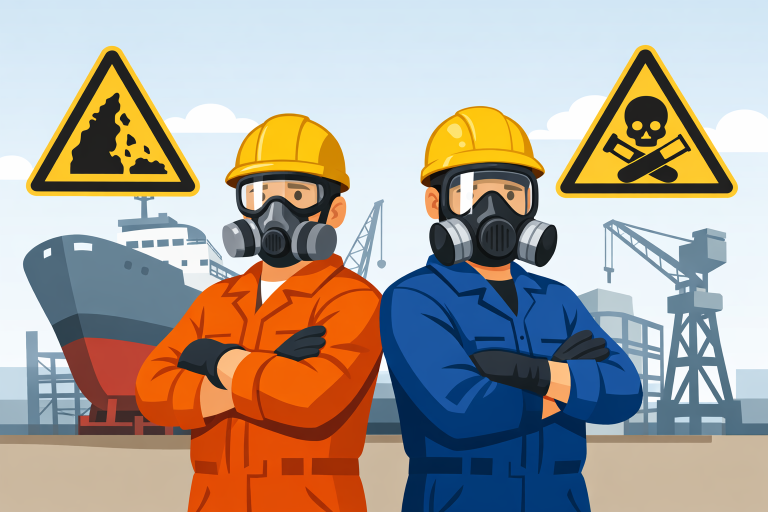
Recent History of Shipyard Exposures in Hampton Roads
The shipyards in Hampton Roads have played key roles in construction and maintenance for the U.S. Navy and the private sector. However, with their rich legacy comes a record of recurring hazardous exposure incidents. Even as late as the 21st century, reports from the Occupational Safety and Health Administration (OSHA) and local news outlets have documented dangerous conditions affecting shipyard tradespeople. In earlier decades, many workers wore little or no protective gear while handling asbestos, solvents, and heavy metals, inadvertently bringing hazardous dust home on their clothes and endangering their families.
The Ongoing Asbestos Threat
Asbestos was once widely used in shipbuilding due to its fire-resistant and insulating qualities. Shipyard workers who cut, sanded, or installed asbestos-containing materials often inhaled microscopic fibers that settle deep in the lungs. Prolonged asbestos exposure is now well known for causing mesothelioma, an aggressive cancer that may not appear until decades after initial contact.
Despite modern safety rules, asbestos hazards have not fully disappeared in Hampton Roads’ older facilities. Retrofitting, decommissioning projects, and basic repairs may still disturb asbestos insulation or parts that have remained untouched for years.
Common Chemical Exposures Faced by Shipyard Workers
Shipyards often use powerful solvents, heavy metals, and other toxic chemicals for cleaning, painting, welding, and machinery maintenance. Workers may be regularly exposed to benzene, lead, chromium, and PCBs, all of which are linked to serious health conditions such as leukemia, nerve disorders, and kidney damage. Routine job tasks can create plumes of invisible, harmful fumes if there is inadequate ventilation or unreliable protective equipment.
Unlike asbestos, the health effects of short-term exposure to many shipyard chemicals are often acute. Symptoms can include headaches, dizziness, skin burns, breathing difficulties, and long-term autoimmune disorders. This makes swift recognition and response vital to preventing catastrophic injuries.
Health Risks and Symptoms of Toxic Exposure
Many illnesses connected to asbestos and chemical exposures do not become symptomatic until significant damage has occurred. Common early warning signs include persistent coughing, chest pain, fatigue, unexplained weight loss, skin changes, and memory problems. Workers may be initially misdiagnosed with minor infections or allergies, delaying important treatment.
According to the Environmental Protection Agency, the cumulative health risks for shipbuilders are exacerbated by frequent exposure to mixtures and the physically demanding nature of the work. Tradespeople should seek immediate medical evaluation if any unusual or lasting symptoms arise after suspected exposure.
Legal Rights and Claims for Tradespeople
Tradespeople suffering from occupational illnesses related to asbestos or toxic chemicals may be eligible for workers’ compensation, Social Security Disability Insurance, and personal injury lawsuits. Pursuing these claims can secure compensation for lost wages, medical costs, and emotional suffering. The process, however, often involves navigating complex regulations and proving workplace negligence or a failure to provide adequate safety measures.
Due to the unique challenges of toxic tort cases, consulting a legal professional with experience in occupational exposure claims is strongly advised. Timely reporting and detailed personal documentation are major factors in building a successful claim.
Prevention and Safety Strategies
Reducing future exposures in Hampton Roads shipyards begins with enforcing robust safety guidelines, including mandatory use of respirators, hazard communication programs, and regular facility monitoring. Educational initiatives aimed at both employees and management can foster a culture of transparency and continuous safety improvement. Updating outdated facilities and ensuring the safe removal of hazardous materials are equally important for protecting current and future generations of tradespeople.
read more : Law Firm Accounting Guide to Managing Legal Finances 2026
Conclusion
The history and ongoing reality of toxic exposure reveal a persistent threat for Hampton Roads shipyard workers, but understanding the dangers, symptoms, and legal options creates a path to both justice and prevention. If you suspect exposure or illness, take action to protect yourself and your loved ones. Pursuing awareness and support will not only benefit you but could help improve safety standards for all who work in the shipbuilding industry.