
What Makes Head-On Collisions So Deadly on Carlsbad Streets
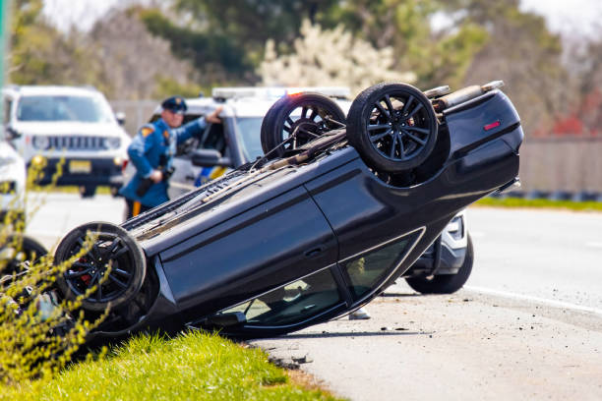
Head-on collisions are among the deadliest types of traffic accidents because they involve two vehicles traveling toward each other, often at significant speeds. The force generated during these crashes can cause catastrophic injuries, permanent disabilities, and fatalities, even when modern safety features are present.
Carlsbad is a coastal city in San Diego County known for its beautiful beaches, residential neighborhoods, and busy transportation corridors. The city attracts residents, commuters, and visitors throughout the year, creating steady traffic on local roads and highways.
While Carlsbad is generally considered a desirable place to live and travel, serious accidents can still occur when drivers fail to operate their vehicles safely. After a severe crash, many injured individuals seek guidance from an experienced car accident attorney in Carlsbad to better understand their rights and explore potential options for recovering compensation.
The Impact Force Is Extremely High
One of the primary reasons head-on collisions are so dangerous is the tremendous amount of force involved.
When two vehicles traveling in opposite directions collide, the impact force is often far greater than in many other types of accidents. Even when both vehicles are traveling at moderate speeds, the combined force can place enormous stress on the occupants and the vehicles themselves.
This force can cause extensive damage to the front portions of both vehicles, where drivers and front-seat passengers are typically seated.
Serious Injuries Are Common
Because of the nature of the impact, head-on collisions frequently result in severe injuries.
Victims may suffer traumatic brain injuries, spinal cord damage, internal bleeding, broken bones, and serious chest or abdominal injuries. In many cases, emergency medical treatment is required immediately after the crash.
Even survivors may face lengthy recoveries, ongoing rehabilitation, and long-term physical limitations that affect their daily lives.
Limited Time to React
Drivers involved in head-on collisions often have very little time to avoid the accident.
A vehicle that suddenly crosses the center line or enters oncoming traffic may leave only seconds for other drivers to react. At highway speeds, that brief window may not be enough to safely avoid a collision.
As a result, many head-on crashes occur despite a driver’s efforts to brake, steer away, or otherwise prevent the impact.
Common Causes of Head-On Collisions
Several factors can contribute to head-on crashes.
Distracted driving remains a leading cause. Drivers who look away from the road to use a phone, adjust navigation systems, or engage in other distractions may unintentionally drift into oncoming traffic.
Impaired driving is another significant factor. Alcohol or drug impairment can affect judgment, reaction time, and vehicle control.
Fatigue, speeding, and unsafe passing maneuvers may also increase the likelihood of a head-on collision.
Roadway Conditions Can Play a Role
Although driver behavior is often the primary cause, road conditions may sometimes contribute to these accidents.
Poor visibility, inadequate lighting, confusing road markings, or hazardous weather conditions can make it more difficult for drivers to remain safely within their lanes.
Construction zones and unfamiliar road layouts may also increase the risk of vehicles entering opposing traffic lanes.
Legal Responsibility After a Head-On Collision
Determining liability after a head-on collision often requires a careful investigation of the circumstances surrounding the crash.
Evidence such as police reports, witness statements, surveillance footage, vehicle damage, and accident reconstruction analysis may help establish what happened and who was responsible.
For example, California Vehicle Code § 21651 generally requires drivers to remain on the right side of a divided highway unless a lawful exception applies. Evidence that a driver entered opposing traffic lanes in violation of traffic laws may become relevant when determining fault.
Key Takeaways
- Head-on collisions are among the deadliest types of motor vehicle accidents.
- The combined force of two vehicles traveling toward each other can cause catastrophic injuries.
- Victims often suffer traumatic brain injuries, spinal cord injuries, fractures, and internal injuries.
- Drivers usually have very little time to react when a vehicle enters oncoming traffic.
- Distracted driving, impaired driving, fatigue, speeding, and unsafe passing are common causes.
- California Vehicle Code § 21651 addresses lane usage on divided highways and may be relevant in certain collision cases.
- Determining liability often requires a thorough investigation and review of available evidence.