
What to Do After a Semi Truck Accident: Essential Steps to Protect Yourself
Key Takeaways
- Prioritize safety by checking for injuries and, if possible, moving to a safer area.
- Contact emergency services promptly and provide all pertinent information.
- Gather comprehensive documentation at the scene, including photographs and written notes.
- Exchange information properly with all drivers and witnesses involved.
- Obtain medical attention, even for symptoms that appear minor or delayed.
- Notify your insurance provider promptly and seek legal counsel if needed.
Table of Contents
- Immediate Safety Measures
- Contacting Emergency Services
- Documenting the Accident Scene
- Exchanging Information
- Seeking Medical Attention
- Notifying Your Insurance Company
- Consulting Legal Professionals
- Preventive Measures for Future Safety
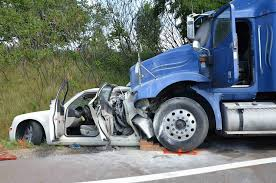
Experiencing a collision with a semi truck can be overwhelming. The moments following such an accident are critical not just for your own safety but for any potential legal or insurance claims that may arise. Taking the right actions can mean the difference between a smooth recovery process and significant complications. If you ever find yourself in this situation, knowing when to contact a semi truck accident attorney can also prove essential for safeguarding your interests and rights.
Whether the accident results in minor damage or significant injury, handling the aftermath properly is crucial. Large trucks pose different challenges than standard vehicles, and the force of impact can lead to serious consequences. By following clear, organized steps, you can help ensure both your safety and the protection of your legal claims.
Immediate Safety Measures
Your priority after a semi truck collision is the safety of everyone involved. Examine yourself and your passengers for injuries. If you can safely do so, move your vehicle off the road to prevent additional accidents. Turn on your hazard lights to remain visible to other drivers and create a barrier from oncoming traffic. The Federal Motor Carrier Safety Administration (FMCSA) highlights the importance of remaining as visible as possible at the scene of a truck accident to minimize further risk.
If your injuries prevent you from moving, stay in place and wait for emergency services. Do not attempt to leave the scene except to seek help or ensure safety. In high-traffic areas or on highways, avoid standing between vehicles or on the road. Safety should be the guiding factor in your immediate decisions.
Contacting Emergency Services
Quickly dial 911 to report the accident. Provide the dispatcher with precise information, including your location (mile marker, intersection, or nearest landmark), the number of vehicles involved, and details about any injuries. Prompt contact with emergency services ensures help arrives as soon as possible. That law enforcement can begin an official accident report, which is vital for later insurance and legal documentation.
Follow all instructions from emergency responders. Stay calm, cooperate with medical and law enforcement personnel, and answer questions accurately. Their reports and assessments may be required later for insurance claims or court proceedings.
Documenting the Accident Scene
Gathering detailed evidence at the scene of the collision is crucial. Use your phone or a camera to take photos or videos of vehicle positions, damages, license plates, roadway conditions, nearby traffic signals, and any visible injuries. Capture the scene from multiple angles to provide a complete record of the events.
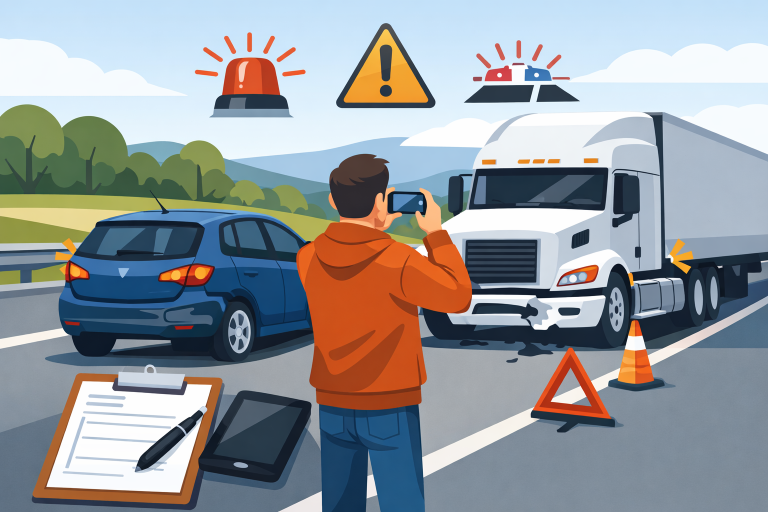
Note the time, date, weather, and traffic conditions. Write down your recollection of what happened while your memory is fresh. These records bolster your insurance claim and support your account should you need to consult with legal professionals. Consumer Reports recommends being thorough and organized in documenting all evidence, as this can powerfully support your case during dispute resolution.
Exchanging Information
After ensuring everyone’s immediate safety and calling for help, exchange information with the other drivers involved in the accident. Collect their names, phone numbers, addresses, driver’s license numbers, and insurance policy details. If there are witnesses, ask for their contact information as well, since their statements may be pivotal in explaining what happened.
Be polite but avoid discussing fault at the scene. Statements made in the aftermath of a stressful collision can sometimes be misinterpreted or used against you later in legal or insurance matters.
Seeking Medical Attention
Even if you feel uninjured, seek prompt medical evaluation. Some injuries, such as concussions, soft tissue damage, or internal bleeding, might not present symptoms until hours or days after the collision. Getting checked by a healthcare professional ensures that you receive the necessary treatment and a formal medical record linking your injuries to the accident.
Follow all recommended treatment instructions and keep copies of all medical records and bills. These documents may be critical in proving the full extent of your injuries to the insurance company or in court.
Notifying Your Insurance Company
Contact your insurance provider as soon as possible to report the accident. Supply them with all the documentation and information you collected. Timely and accurate communication expedites the claims process and helps prevent disputes over coverage or the timeline of events. Provide photos, the official police report number, witness details, and medical documentation as requested.
Your insurer may assign an adjuster to evaluate damages and investigate the accident further. Cooperate with them fully, but do not accept liability or discuss settlement options without fully understanding your rights.
Consulting Legal Professionals
If the accident is severe, involves serious injuries, or liability is disputed, seek advice from a qualified legal professional experienced in truck accidents. They can guide you through the claim process, clarify your legal options, and represent you if the case goes to court. An attorney’s involvement often strengthens your position when dealing with commercial carriers and large insurance companies.
Having a legal expert helps when documentation is complex or when negotiating compensation involves multiple parties with significant resources. They work to protect your rights and maximize the compensation available for injuries, damages, and emotional distress.
Preventive Measures for Future Safety
To minimize the risk of future accidents, practice defensive driving techniques and understand the limitations of large trucks. Always maintain a safe distance, avoid driving in blind spots, and never cut off a semi truck, as their stopping distances are much longer. Be extra cautious when merging, as trucks might have trouble seeing smaller vehicles directly alongside or behind them.
The FMCSA underscores the importance of careful driving around large vehicles and suggests that awareness and patience on the road can prevent many serious incidents (FMCSA Tips for Driving Safely Around CMVs).
By carefully following these steps, you can responsibly manage the aftermath of a semi truck accident and minimize the long-term impacts on your health, finances, and legal rights.
read more : Contractual Clarity: Improving Transparency in Long-Term Service Agreements