
Woven Wristbands vs. Plastic: Why Choose Woven for Your Next Event
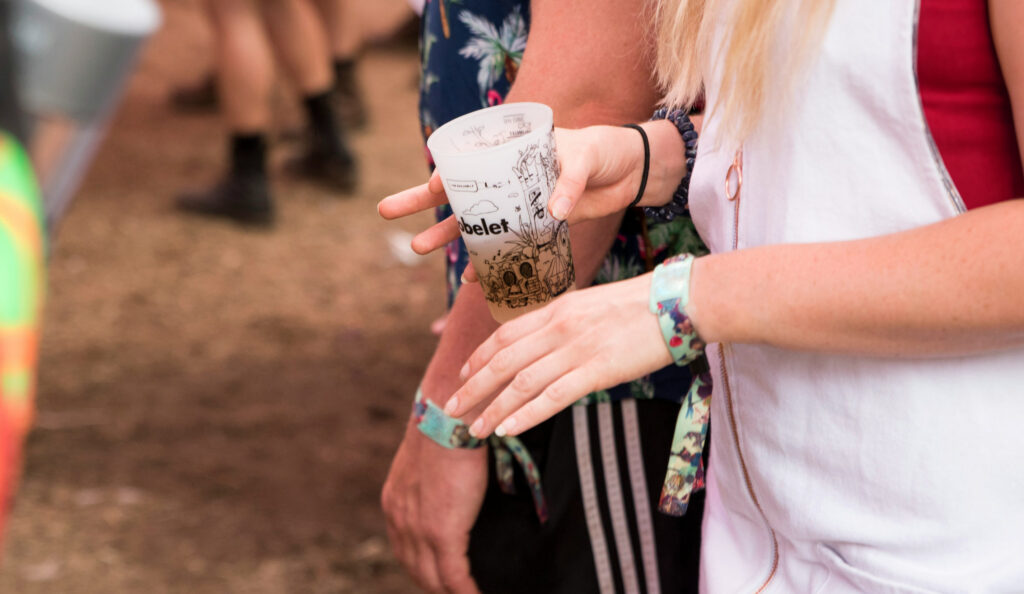
Choosing a wristband might not be the most glamorous part of event planning, but it’s one of the decisions that guests actually feel — sometimes for days. The material on someone’s wrist determines whether they’re comfortable or irritated, whether the band holds up through rain and dancing, and whether they keep it as a memento or cut it off the moment they leave. Woven wristbands and plastic bands represent two very different answers to those questions, and the gap between them is wider than most organisers expect.
According to Nielsen’s Audience Insights Report on Music Festivals, at least 32 million Americans attend a music festival each year — a figure that reflects how deeply embedded live events are in popular culture. With attendance at that scale, the wristband isn’t a minor accessory. It’s a high-contact product that reflects directly on the event’s quality.
What Sets Woven Cloth Wristbands Apart From Plastic
Plastic wristbands have their place. They’re waterproof, inexpensive, and quick to apply — adequate for a single-day event where basic access control is the only objective. That said, adequate and good are not the same thing, and the difference becomes clear the moment guest comfort, multi-day durability, or branding become priorities.
Woven wristbands are constructed from polyester or nylon threads woven on jacquard looms, producing a fabric band where the design is built into the material rather than printed on top of it. The result is a band that doesn’t fade, crack, or peel — even after several days of continuous wear through heat, sweat, and rain.
That structural difference matters in practical terms. A plastic band with an adhesive or snap closure can become uncomfortable after several hours, particularly in warm conditions where the rigid edge presses against the skin. A woven fabric band conforms naturally to the wrist, breathes, and maintains its shape without causing irritation. For events that span a full day or run across multiple days, that distinction shapes the guest experience in ways that are hard to overstate.
The Locking Mechanism That Makes Woven Bands Secure
Security is where some organisers hesitate when comparing woven wristbands for events against plastic options. The assumption is that fabric is easier to remove or transfer. In practice, the barrel-lock closure system used on quality woven bands is among the most secure mechanisms available.
Once the lock slides up the band to fit the wrist, internal teeth grip the fabric firmly — making it impossible to loosen or remove without cutting the band. That tamper-evident design prevents the same pass-back fraud that wristband closures of any type are meant to deter.
Woven vs. Plastic: A Direct Comparison
Not every event has identical requirements. The table below maps the two options against the factors that matter most to event organisers:
| Feature | Woven Wristbands | Plastic Wristbands |
| Comfort for extended wear | High — soft, breathable fabric | Moderate — rigid edges over time |
| Durability | 3–7+ days | 1–5 days |
| Water resistance | Moderate–high (polyester) | High |
| Security closure | Barrel lock — tamper-proof | Snap or adhesive — tamper-evident |
| Branding quality | Woven into fabric — permanent | Printed on surface — can fade |
| Guest keepsake value | High — frequently kept | Low — typically discarded |
| Custom design options | High — intricate, multi-coloured | Moderate — surface printing only |
| Cost per unit | Higher | Lower |
The cost differential is real, but it only tells part of the story. Plastic bands are cheaper per unit; woven bands deliver more value per impression — especially when guests keep wearing them after the event ends.
Why Woven Fabric Wristbands Deliver Better Branding Returns
There’s a reason major music festivals consistently choose woven wristbands over plastic. The band itself becomes part of the event identity. A well-designed woven band — carrying the festival name, logo, year, and colour palette — is something guests recognise as worth keeping. Many do keep them for weeks or months after the event concludes.
That post-event visibility is a form of brand exposure that no other wristband type replicates. A plastic band gets cut off and discarded; a quality woven band ends up on a bedroom pinboard, in a travel bag, or still on someone’s wrist at the next gathering they attend. Each of those scenarios extends the event’s reach without any additional marketing spend.
Event organisers looking to maximise that post-event visibility can explore woven wristbands with custom printing that integrates logos, sponsor branding, event dates, and QR codes into the weave itself — producing a design that remains vivid and intact regardless of how long the band is worn.
read more : https://lawhubx.com/
When Woven Wristbands for Events Make the Most Sense
The practical question isn’t whether woven bands are superior — in most categories, they are. It’s whether the event’s specific requirements justify the additional cost. A few scenarios where woven cloth wristbands are clearly the right call:
- Multi-day festivals and outdoor events — where durability over 3–7 days is non-negotiable
- VIP and premium access tiers — where the band needs to communicate status visually and hold up to repeated checkpoint checks
- Branded corporate events — where the wristband doubles as a branded takeaway
- Fundraisers and awareness campaigns — where guests are likely to keep and display the band as a symbol of participation
- Events with sustainability commitments — many woven bands are produced from recycled polyester, certified under standards like OEKO-TEX® Standard 100, offering a more environmentally responsible alternative to single-use plastic
Plastic bands remain a sensible choice for single-day, high-volume events where cost efficiency is the primary driver and guest experience beyond basic access is not a significant concern. The tricky part is that most events sit somewhere in the middle — and in that middle ground, woven bands tend to justify the cost difference.
Ordering Woven Wristbands: What to Confirm Before You Buy
Lead times are the most common planning mistake with custom woven bands. Unlike stock Tyvek or plastic bands that often ship next business day, custom woven orders typically require 10–15 business days to manufacture, depending on design complexity and order volume. For events with fixed dates, that window needs to be built into the planning timeline well in advance.
A few other details worth confirming before placing an order:
- Closure type — barrel locks for single-use security; adjustable bead locks for re-wearable promotional bands
- Weave finish vs. sublimation printing — woven designs are stitched into the fabric for permanence; sublimated printing uses dye-transfer for finer detail and more colours.
- Width options — standard widths range from 1.5cm to 2.5cm; wider bands accommodate more design detail
- RFID integration — available for woven bands, enabling contactless entry and cashless payment functionality at technology-enabled events
Ordering a small sample run before committing to a large custom order is worth the minor delay. Design intent and physical execution can diverge, and catching that before the full production run avoids a stressful pre-event correction.
Making the Case for a Better Wristband
Plastic wristbands do the minimum. They identify a guest, limit fraudulent entry, and cost very little. For events where that minimum is genuinely sufficient, they’re a reasonable choice.
Woven wristbands do considerably more. They hold up longer, wear more comfortably, communicate premium production values at a glance, and travel home with guests in a way that no plastic band does. For any event where the guest experience is a meaningful consideration — which describes most events worth organising — the case for woven is difficult to argue against.