
Incarcerated Doesn’t Mean Invisible and the Legal Protections Most Inmates Don’t Know Exist
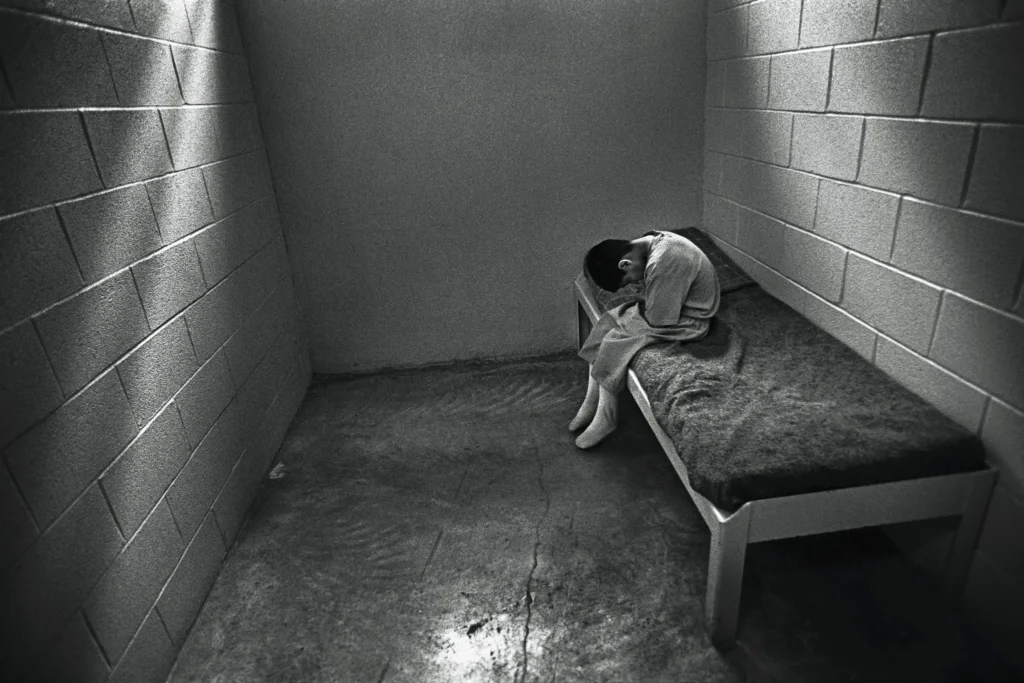
There’s a version of justice that most people understand instinctively: if someone wrongs you, you have recourse. You can call the police, file a complaint, hire a lawyer, go to court. The system isn’t perfect, but the pathway exists.
For incarcerated people, that pathway is dramatically narrowed. Access to information is limited. Access to counsel is limited. The very institution responsible for your safety and medical care is often the same institution you need to file a complaint against. And the public is, at best, indifferent to what happens inside correctional facilities.
But the legal pathway doesn’t disappear entirely. The Constitution protects incarcerated individuals. Statutory law creates remedies for civil rights violations. And the civil litigation system — when properly navigated — provides a mechanism for accountability that, while imperfect, is real.
This post is about what those protections actually look like in practice.
Constitutional Basics for Incarcerated People
The Eighth Amendment prohibits cruel and unusual punishment. This applies to people serving sentences in state and federal prisons. Courts have interpreted it broadly enough to encompass:
- Failure to provide adequate medical care
- Failure to protect inmates from known dangers (including violence from other inmates)
- Inhumane conditions of confinement
- Excessive use of force by correctional officers
For people in pretrial detention — those who have been arrested but not convicted — the Fourteenth Amendment’s due process clause provides parallel protections, and in some respects sets a lower bar than the Eighth Amendment.
The key legal concept across most of these claims is “deliberate indifference.” It’s not enough to show that prison officials made a mistake, or even that they were negligent. The legal standard requires showing that they knew about a substantial risk of serious harm and consciously disregarded it.
That standard can be frustrating. A genuine mistake by a prison physician may not constitute deliberate indifference, even if it causes serious harm. But deliberate indifference does get established in litigation — with documented evidence of ignored grievances, patterns of inadequate care, or specific incidents where warning signs were clear.
Medical Care: The Right That Incarceration Doesn’t Eliminate
The Supreme Court established in Estelle v. Gamble (1976) that incarcerated people have a constitutional right to adequate medical care. Deliberate indifference to serious medical needs constitutes cruel and unusual punishment.
In practice, this means that when a prisoner has a serious medical condition — one that a physician would recognize as requiring treatment — the correctional system has an obligation to provide it. Ignoring that condition, significantly delaying treatment, or providing treatment so inadequate it amounts to no treatment at all can all constitute violations.
Common scenarios that give rise to medical claims in correctional settings include:
Denied or delayed emergency care. An inmate collapses or shows signs of a medical emergency. Staff response is slow. By the time proper care is provided, serious harm has occurred.
Untreated chronic illness. Diabetes, heart disease, HIV — conditions requiring ongoing management. Correctional healthcare systems sometimes simply fail to provide medications or monitoring.
Ignored mental health needs. The incarcerated population has dramatically higher rates of mental illness than the general population. Failing to identify, diagnose, or treat those conditions — especially when they create risk of self-harm — can constitute deliberate indifference.
Inadequate post-surgery or post-injury follow-up. Care doesn’t end when the acute event ends. Failing to provide appropriate follow-up can turn a manageable situation into permanent damage.
For families trying to understand what happened to an incarcerated loved one, or for recently released individuals trying to process what they experienced, working with prison medical malpractice attorney representation who understands both constitutional civil rights claims and the medical dimensions of these cases is often the most important first step.
Physical Injuries in Correctional Settings
Medical neglect is one category. Physical injury — from excessive force, dangerous conditions, or failure to protect — is another, and it’s equally serious.
Excessive force. Use of force by correctional officers is sometimes legally justified. When it isn’t — when it’s disproportionate, retaliatory, or gratuitous — it constitutes a constitutional violation. Documenting these incidents from inside a facility is difficult, but video footage, witness accounts, and medical records can all be relevant.
Failure to protect. If an inmate tells staff that they are threatened by another inmate — or if staff are aware of a threat through other means — and that threat is ignored, and the inmate is subsequently attacked, there may be a viable legal claim. The key is the “known threat” element: officials have to have been aware of the risk and failed to act.
Conditions claims. Extreme temperatures, denial of food or water, exposure to toxic substances — conditions of confinement that pose a serious risk to health can form the basis of constitutional claims when they result from deliberate indifference rather than mere oversight.
The Procedural Obstacle Course
There’s a reason these cases don’t resolve easily. The Prison Litigation Reform Act of 1996 created a series of procedural requirements that must be met before an incarcerated person can file a federal civil rights lawsuit.
The most significant is the exhaustion requirement. Before filing suit, an inmate must exhaust all available administrative remedies — meaning they must go through the prison’s internal grievance process, following its specific procedures, meeting its deadlines, and appealing any unfavorable decisions. Failure to properly exhaust — even on technicalities — can result in a lawsuit being dismissed entirely.
This is genuinely difficult to navigate from inside a facility. Forms may be unavailable. Deadlines may be unclear. Retaliation for filing grievances is a real risk. And the same officials overseeing the grievance process are often the ones against whom the grievance is filed.
Knowing these requirements — and documenting compliance carefully — is essential. Personal injury lawyer for prisoners who specialize in civil rights litigation in correctional settings understand the PLRA inside and out, which is why having that expertise in your corner matters enormously.
What Families Can Do
For families of incarcerated individuals, the sense of helplessness is real. Your loved one is in a facility you can’t enter, controlled by a system that doesn’t always communicate transparently, and the barriers to legal action feel enormous.
But there are practical steps families can take:
Document everything. Keep records of every phone call, every visit, every letter. Note dates, times, and the substance of what your loved one reports about their health or treatment.
Request medical records. Incarcerated individuals have the right to their own medical records. Families with appropriate authorization can request them as well.
Understand the grievance process. If your loved one is reporting neglect or mistreatment, understanding whether they’re following the grievance process correctly — and helping them document it — can be critical to preserving future legal options.
Consult an attorney early. Don’t wait until the situation has reached a crisis point. An early consultation can help clarify what’s viable, what documentation to gather, and what the timeline looks like.
Why These Cases Matter Beyond the Individual
Civil rights litigation against correctional facilities does something beyond individual recovery. It creates institutional pressure. Facilities that face consequences for deliberate indifference to medical needs have stronger incentives to improve their healthcare systems. Those that face accountability for excessive force have stronger incentives to train their staff appropriately.
The correlation between litigation and systemic improvement is imperfect. But it’s real. And the prisoner rights attorneys who pursue these cases are doing work that affects not just the individual client but everyone who will pass through those same facilities in the future.
A System Worth Holding Accountable
Incarceration is a form of punishment. It removes liberty. It imposes constraints. What it is not supposed to do — what the Constitution explicitly prohibits — is impose additional punishment through negligence, indifference, or abuse.
When that line gets crossed, the legal system provides a path to accountability. It’s narrow, it’s procedurally demanding, and it requires knowledgeable guidance to navigate. But it exists.
And for people who have been told — explicitly or implicitly — that their rights don’t matter because of where they are, that matters a great deal.