
Hit by a Delivery Driver? What Most People Don’t Know About These Claims
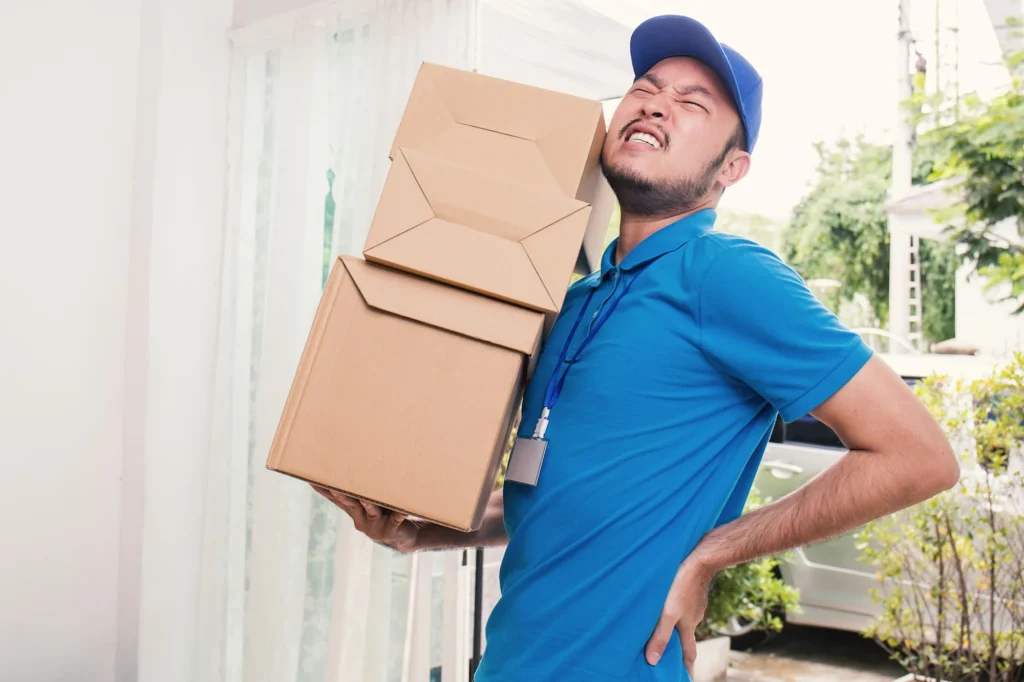
Food delivery has changed the way we eat. It has also changed the way accidents happen on our streets. DoorDash, Uber Eats, Amazon Flex, and Instacart drivers are now part of daily traffic. Most trips end fine. But when they don’t, victims often face a confusing legal mess that regular car accidents don’t involve.
This article looks at what happens when a delivery driver hits you, whether you were walking, biking, or driving your own car. It is a side of personal injury law that does not get much attention, even though it touches more people every year.
Why These Cases Are Different From a Normal Car Accident
In a typical crash, you deal with one driver and one insurance company. Simple, in theory. With delivery drivers, things get messier fast.
Most delivery drivers are independent contractors, not employees. This means the company they drive for often tries to avoid responsibility for what the driver does on the road. They will argue the driver was an outside party, not part of their business. This is a tactic, not a fact. Courts look at things like whether the driver was actively on the app, picking up an order, or making a delivery at the time of the crash. If so, the company’s insurance may still apply.
If you were hurt in this kind of accident, working with a firm that already understands gig economy liability matters. The team at Peter Michael Law handles personal injury claims involving exactly this kind of tangled liability question, where one party tries to point the finger at another.
The Insurance Puzzle You Did Not Ask For
Here is where it gets tricky. Most delivery apps carry some insurance, but coverage often depends on the driver’s status at that exact moment.
There are usually three stages. First, the driver is offline and not working. Their personal auto policy applies here, and it is often the weakest coverage. Second, the driver is logged into the app and waiting for an order. Some limited company coverage may kick in. Third, the driver has accepted a delivery and is actively driving to pick up or drop off food. This is when the company’s higher coverage usually applies.
Victims often get bounced between the driver’s personal insurer and the delivery company’s insurer. Each one hopes the other will pay. This back and forth can drag on for months. Meanwhile, medical bills do not wait.
This pattern shows up in rideshare cases too. The breakdown on a Lyft accident lawsuit explains how these companies use the contractor label to limit their own liability. The same logic applies to food and package delivery, just with different apps and different drivers.
A good first step is to write down the time of the crash and ask the driver, politely, if they were actively on a delivery. This single detail can change which insurance policy applies to your claim.
Why Distraction Plays Such a Big Role
Delivery drivers work under pressure. Apps track delivery speed. Tips often depend on how fast food arrives. This creates an incentive to rush, check the app for directions, and glance at notifications while driving.
This is not a guess. Distracted driving is a well documented danger on the road. According to the CDC, about 1 in 5 people who died in crashes involving a distracted driver in 2019 were not even inside a vehicle. They were walking, biking, or otherwise outside a car. That detail matters here because so many delivery accident victims are pedestrians and cyclists, not other drivers.
If you were walking when you got hit, documenting whether the driver appeared to be looking at a phone or an app can strengthen your case. Witnesses, traffic camera footage, and the delivery company’s own GPS data can all help show what really happened in those few seconds before the crash.
What to Actually Do After the Accident
Try to stay calm and take these steps if you are able to:
First, call for medical help even if you feel okay. Adrenaline hides pain, and some injuries show up hours or days later.
Second, take photos of the scene, the delivery vehicle, any visible bags or branding, and your own injuries.
Third, get the driver’s name, the app they were using, and if possible, a screenshot of any delivery confirmation they show you.
Fourth, avoid giving a recorded statement to any insurance company until you have spoken with a lawyer. Adjusters are trained to ask questions in ways that can shrink your claim.
Finally, keep every medical bill, every missed paycheck stub, and every receipt related to the accident. These documents build the foundation of a fair settlement.
Why Timing Matters More Than You Think
Delivery companies often have legal teams ready to respond fast. The sooner you get help, the sooner someone is gathering evidence on your side too. Evidence like delivery app data and traffic footage can disappear or get overwritten within days or weeks.
There is also a legal deadline, called a statute of limitations, for filing these claims. It varies by state, so do not wait around hoping things sort themselves out.
The Bigger Picture
Delivery culture is not slowing down. More drivers on the road means more chances for accidents involving people who never even ordered the food. If this happens to you or someone you love, know that the company’s “independent contractor” defense is not the final word. With the right documentation and the right legal support, victims can hold these companies accountable and get the compensation they actually deserve.