
What Actually Happens After a DWI or Drug Charge in San Antonio
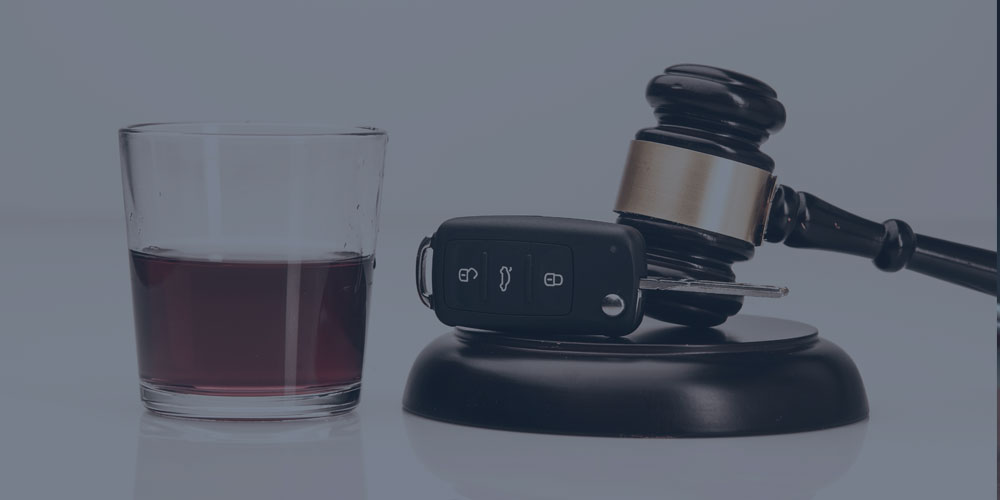
A DWI arrest in San Antonio moves through a sequence of steps that most people have never had reason to think about until they’re actually living through it, and the roadside stop itself is often the shortest part of a process that stretches across weeks or months afterward. What actually determines how a case unfolds happens mostly in the hours and days that follow that initial stop, not in the stop itself.
Why the Roadside Evidence Is Weaker Than It Looks
Field sobriety tests administered at the roadside carry less scientific weight than most people assume, largely because they were designed to be performed under controlled conditions that a dark shoulder of a highway rarely provides. Uneven pavement, weather, nervousness, and even certain medical conditions unrelated to alcohol can all affect performance on these tests, which is part of why the officer’s own written report from the scene often becomes a point of scrutiny well before any chemical test result enters the picture.
Breath and blood testing introduces its own set of procedural requirements that don’t always get followed correctly, even though the underlying science is generally reliable when the testing is done properly. Breathalyzer devices require regular calibration and maintenance logs, and an officer administering the test needs to follow a specific observation period before the sample is considered valid. A gap in that calibration record, or a deviation from the required waiting period, can become relevant to how a case gets evaluated later, regardless of what the actual test result showed.
Blood test cases add their own separate chain-of-custody concerns beyond the calibration issues breath tests present, since a blood sample has to be properly labeled, stored at an appropriate temperature, and transported to a lab within a reasonable window to preserve its accuracy. Any break in that chain, a sample left at room temperature too long, paperwork that doesn’t match the timestamps on the actual draw can become a legitimate basis for challenging the reliability of the resulting blood alcohol figure.
Verifying a firm’s genuine familiarity with this kind of procedural detail matters more than general reputation alone, and researching a san antonio criminal law firm before committing to representation typically means asking directly about specific past results in DWI cases with similar facts, rather than relying purely on general claims made on a website. A firm that regularly reviews calibration logs and observation-period compliance as a matter of course tends to catch issues that a less specialized general practice firm might miss entirely.
Why the License Clock Runs Faster Than the Court Clock
The period immediately following a DWI arrest also triggers a separate administrative process running alongside the criminal case, since a driver’s license can face suspension through the state’s licensing authority independent of whatever happens in criminal court. This administrative process typically operates on a much shorter timeline than the criminal case itself, often requiring a request for a hearing within just a matter of days after the arrest, which catches a lot of people off guard since their attention is understandably focused on the criminal side first.
Missing that short administrative window can mean an automatic suspension goes into effect regardless of how the underlying criminal case eventually resolves, which is why addressing both tracks promptly, rather than assuming one process naturally follows the other, tends to matter more than people initially realize. Someone focused entirely on hiring criminal defense counsel a few weeks after an arrest may discover the administrative deadline has already passed by the time they get around to it.
The administrative hearing itself, when requested in time, focuses on a narrower set of questions than the criminal case ever addresses whether the officer had reasonable grounds for the stop, and whether the testing was properly offered or administered rather than the broader question of guilt that the criminal proceeding will eventually resolve. Winning that narrower hearing can preserve driving privileges throughout the pendency of the criminal case even when that criminal case remains far from resolved.
Working with Justin Fowlks and the rest of the firm’s team, a san antonio dwi attorney handling one of these cases typically reviews whether the initial traffic stop itself was legally justified, since an officer needs a specific, articulable reason to pull someone over in the first place. A stop based on a hunch or a pretext that doesn’t hold up to scrutiny can affect everything that followed from it, including any evidence gathered after the stop occurred, regardless of what that evidence ultimately showed.
Why Drug Charges Turn on Search Issues, Not Roadside Testing
Drug crime charges in San Antonio follow a different evidentiary path than DWI cases, since the central legal questions often revolve around search and seizure issues rather than roadside testing protocols. Whether an officer had proper legal justification to search a vehicle, a home, or a person carries enormous weight in these cases, and evidence obtained through an improper search can potentially be excluded from the case entirely, regardless of how incriminating that evidence might otherwise appear.
Chain of custody issues also come up more often in drug cases than in most other criminal matters, since the physical evidence itself the substance allegedly recovered has to be tracked carefully from the moment of seizure through laboratory testing and eventual presentation in court. Any gap or inconsistency in that documented chain can raise legitimate questions about whether the substance actually tested matches what was originally recovered from a specific person or location.
Field tests used at the scene of an arrest are notoriously less reliable than laboratory analysis, and a number of documented cases across the country have shown these presumptive field tests producing false positives for substances that later laboratory testing confirmed weren’t actually present at all. A charge based initially on a field test result deserves particular scrutiny once the more reliable laboratory report actually comes back, since the two results don’t always match.
Requesting the complete forensic lab report and chain of custody documentation early in the process is typically the first step drug lawyers San Antonio defendants consult take after an arrest, since these documents sometimes reveal testing delays, unexplained gaps in custody, or discrepancies between the field test and the more reliable laboratory analysis that occurred later. Any of these issues can meaningfully affect how a case actually gets evaluated once the full evidentiary picture comes into view. By contrast, child custody cases involve different legal issues and evidentiary considerations, so the documentation and investigative approach must be tailored to the type of case involved.
Recognizing Which Framework Actually Applies
None of these situations, a DWI arrest, its parallel administrative license process, and a drug crime charge get handled using an identical approach, even though all fall under Texas’s broader criminal law framework. A DWI case depends on scrutinizing roadside procedure and testing protocol while managing a separate administrative deadline running on its own clock. A drug charge depends on search and seizure analysis and careful review of the forensic chain of custody. Recognizing which framework actually governs a specific situation tends to matter more than any general assumption about how a criminal case in San Antonio is supposed to unfold, and that recognition usually needs to happen early, well before either the administrative deadline or an evidentiary window closes.