
Can a DWI Case Be Dismissed If the Arresting Officer Doesn’t Show Up to Court?
Anyone facing a DWI charge in Minnesota has likely heard some version of this claim from a friend or family member: if the arresting officer fails to show up to court, the case gets thrown out automatically.
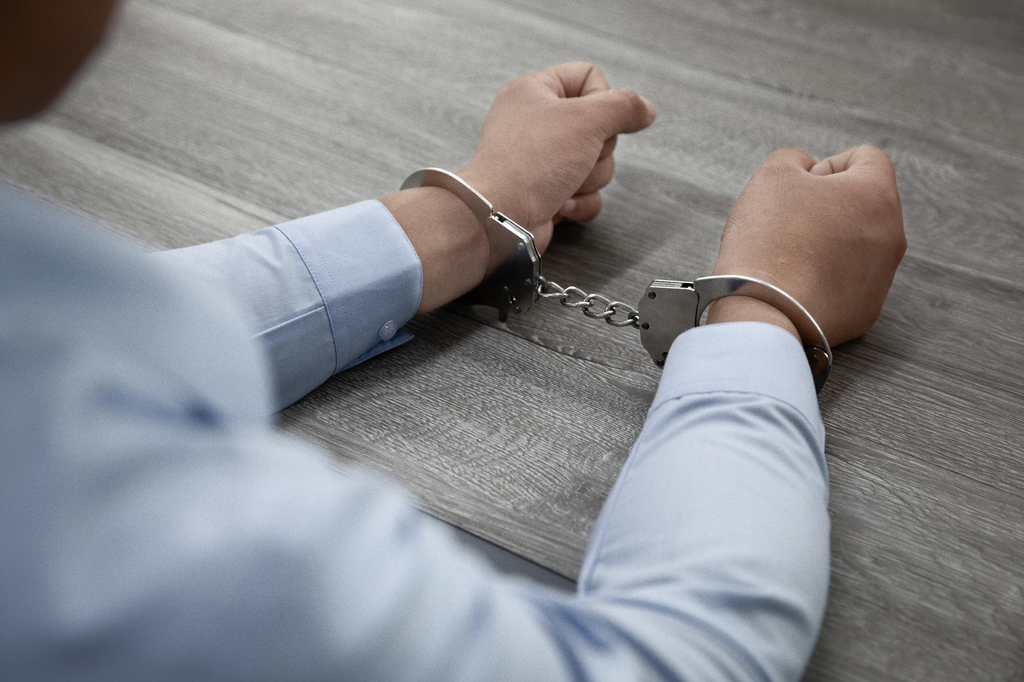
Like many pieces of secondhand legal advice, this idea contains a grain of truth but leaves out important context. Whether a missed court date actually helps a defendant depends heavily on which proceeding is involved, and understanding that distinction is something a knowledgeable DWI Attorney St. Paul MN client benefits from early in the process.
Why an Officer’s Testimony Matters in a DWI Case
Police officers play a central role in building the evidentiary foundation of a DWI case. They are typically the ones who observed the initial driving conduct, conducted the traffic stop, administered field sobriety tests, and processed chemical testing. Much of this information exists in written reports, but reports alone are often considered hearsay and cannot always be introduced as evidence without the officer present to testify and be cross examined.
This is where the idea of an automatic dismissal originates. If the state cannot present live testimony to establish key facts, its case can be seriously weakened. However, the extent to which this matters depends on which court proceeding is actually taking place.
Understanding the Difference Between Criminal Court and the Implied Consent Hearing
A DWI arrest in Minnesota often triggers two separate legal processes that run on parallel tracks. The first is the criminal case itself, where the state must prove the charge beyond a reasonable doubt. The second is a civil matter known as an implied consent hearing, which addresses the administrative revocation of driving privileges rather than criminal guilt.
These two proceedings operate under different rules, deadlines, and burdens of proof, and an officer’s absence can have very different consequences depending on which one is scheduled.
What Happens When an Officer Misses a Criminal Trial Date
In the criminal context, a missed court appearance by the arresting officer does not automatically end the case. Prosecutors are generally given the opportunity to request a continuance, which pushes the hearing or trial to a later date so the officer can be rescheduled. Courts tend to grant a reasonable number of continuances, particularly if the absence appears to be unintentional, such as illness, a scheduling conflict, or a mix up in the subpoena process.
That said, an officer’s repeated failure to appear can eventually work in a defendant’s favor. If continuances stretch the timeline too far, speedy trial concerns may come into play. In some situations, if the state genuinely cannot proceed without the officer’s testimony and no reasonable path forward exists, a judge may dismiss the charge, though this outcome is far from guaranteed and depends heavily on the specific facts of the case.
What Happens When an Officer Misses an Implied Consent Hearing
The implied consent hearing works differently, and this is often where the idea of an automatic win actually applies. Because this hearing determines whether a license revocation should be upheld, the state generally carries the burden of proving that the stop, arrest, and testing procedures were lawful. If the officer does not appear and the prosecution cannot otherwise meet that burden through documentation or other witnesses, the judge may rescind the revocation, allowing the person to keep their driving privileges.
This outcome affects license status, not the underlying criminal charge. A rescinded revocation does not mean the criminal case disappears as well. The two matters remain legally distinct, even though they arise from the same incident.
Other Factors That Influence Whether a Case Moves Forward
Several additional factors can shape what happens when an officer is unavailable. Prosecutors sometimes rely on squad car video, body camera footage, dispatch recordings, or testimony from a second responding officer to fill gaps left by an absent witness. Chemical test results, when properly documented and admissible, may also stand largely on their own in some circumstances.
Judges also consider whether the defense objects to a continuance and whether that objection is grounded in a genuine speedy trial concern. A defendant’s own conduct throughout the case, including prior requests for delays, can influence how a judge weighs a later request from the prosecution.
What This Means in Practice
For someone actually going through a DWI case, this distinction is more than a legal technicality. It affects how a defense approaches each hearing differently. At an implied consent hearing, the absence of the officer can be a genuine turning point, since the entire proceeding may hinge on whether the state can meet its burden through live testimony. Preparation for that hearing often includes confirming whether the officer has been properly subpoenaed and tracking whether any conflicts might affect their appearance.
In the criminal case, the calculus shifts. Rather than hoping for an outright dismissal based on one missed date, a more realistic approach involves closely reviewing every piece of evidence the state does have, including video footage, testing records, and any secondary witnesses, to identify weaknesses that exist independent of whether the officer eventually testifies. A missed appearance can still create leverage during negotiations, even when it does not end the case outright.
Why This Nuance Matters for Anyone Facing a DWI Charge
The reality is more complicated than a blanket rule that a missing officer guarantees dismissal. Outcomes depend on the type of hearing, the reason for the absence, the strength of any remaining evidence, and how the timeline of the case has unfolded overall. Recognizing these distinctions early can shape how a defense strategy is built and what to expect at each stage of the process.
These same small procedural details tend to resurface throughout impaired driving cases generally, often shaping how things turn out long before anyone sets foot in a courtroom, a pattern Ramsay Law Firm, PLLC has explored in looking at how easily overlooked details end up carrying real weight.