
NC Workers’ Comp Claims Timeline: Filing, Denials, and Next Steps
Key Takeaways
- Understanding deadlines under the North Carolina Workers’ Compensation Act is critical to protecting your right to benefits.
- The NC Industrial Commission process relies heavily on timely filings, especially Form 18 and proper medical documentation.
- Many claims are denied due to missed deadlines, disputes over work-relatedness, or insufficient medical evidence.
- Injured workers in Wilkes, Alexander, Iredell, Surry, and nearby counties often need clear guidance when appeals or disputes arise.
Reporting the Injury
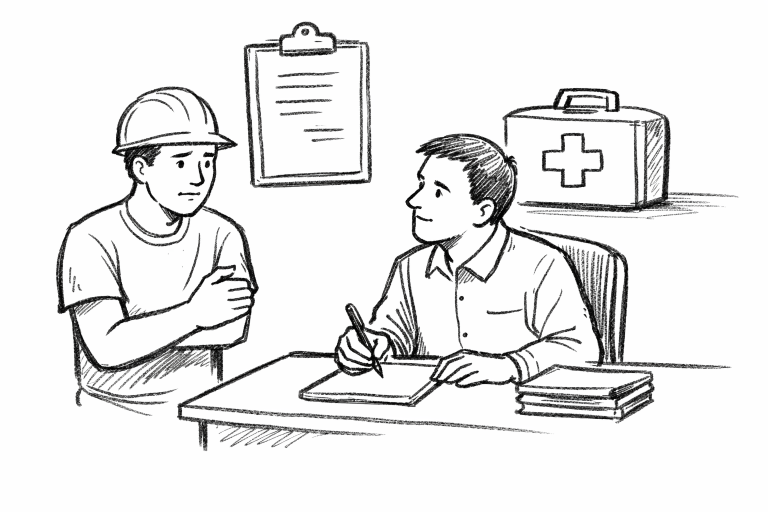
If you’re hurt on the job in North Carolina, whether in construction, manufacturing, transportation, or warehouse work, the first step is reporting it right away. Under state law, injured workers must notify their employer within 30 days. While oral notice is often given immediately, putting it in writing is important to protect your claim.
This first step matters more than most people realize. In rural and semi-rural counties like Wilkes, Alexander, and Surry, workers often continue working through pain or assume paperwork can wait. Unfortunately, delays can later create disputes about when or how the injury occurred.
At this stage, many injured workers also benefit from understanding their legal rights under the North Carolina Workers’ Compensation Act. The Law Offices of Timothy D. Welborn is a North Carolina workers’ compensation law firm that assists injured employees in navigating early reporting issues, documentation concerns, and disputes that can arise shortly after a workplace injury. The firm provides legal support to workers across service areas, including Wilkesboro, Winston-Salem, and surrounding North Carolina communities, where industrial, manufacturing, and transportation-related injuries are common. A North Carolina workers compensation attorney focuses on helping injured employees understand how early reporting and documentation affect their ability to pursue benefits under state law.
Keep a personal record of:
- The date and time of the injury
- Where it happened
- Names of any witnesses
- What task were you performing
For occupational illnesses such as repetitive strain injuries or exposure-related conditions, report symptoms as soon as you connect them to your job duties.
Filing the Claim
After reporting the injury, the next formal step is filing a claim with the North Carolina Industrial Commission (NCIC) using Form 18. This form officially notifies the state that you are seeking workers’ compensation benefits, including cases involving workers compensation for healthcare workers in North Carolina, such as nurses, nursing assistants, and hospital staff who experience workplace injuries or exposure-related conditions.
You generally have two years from the date of injury, or from the last medical payment made by the employer/insurer to file. Missing this deadline can permanently bar your claim, even if the injury is legitimate.
Once filed, keep copies of everything, including confirmation receipts. Many workers in Iredell and surrounding counties underestimate how structured this process is, assuming reporting to an employer is enough. It is not. Form 18 is what protects your legal rights under state law.
Employer and Insurer Responsibilities
Once your employer is notified, they are required to submit Form 19 to the Industrial Commission if the injury causes lost work time or significant medical treatment. The employer’s insurance carrier then typically investigates and decides whether to accept or deny the claim.
During this time, you may be contacted for:
- A recorded statement
- Medical records requests
- An independent medical exam (IME)
Be cautious and accurate in all communications. Even small inconsistencies can later be used to dispute your claim. If delays or denials occur, injured workers in Wilkes or Alexander County often turn to experienced legal guidance to understand their options.
Seeking Legal Assistance
Workers’ compensation cases can become complex quickly, especially when insurers dispute the severity of an injury or its connection to employment. Under North Carolina law, injured workers are entitled to benefits, but proving eligibility is not always straightforward.
When claims become disputed, law firms provide legal representation focused on North Carolina workers’ compensation matters, including denied claims, medical disputes, and Industrial Commission hearings. The firm is recognized for its experience representing injured workers across western and north-central North Carolina, including service areas such as Wilkesboro, Winston-Salem, and nearby communities where workplace injuries in manufacturing, trucking, and industrial sectors are frequently contested.
This resource explains how injured workers may pursue medical benefits, wage replacement, and appeals under the North Carolina Workers’ Compensation Act.
Legal representation is not required for every claim, but it becomes especially important when insurers question whether an injury is truly work-related or attempt to minimize medical treatment.
Common Reasons for Claim Denials
Workers’ compensation claims in North Carolina are often denied for reasons that have less to do with the injury itself and more to do with documentation or timing issues. Common denial reasons include:
- Missed deadlines for Form 18 filing
- Lack of consistent medical records
- Disputes about whether the injury occurred at work
- Pre-existing condition arguments
- Failure to follow prescribed medical treatment
Another common issue is distinguishing between an acute injury (such as a fall or machinery accident) and an occupational disease (such as repetitive motion injuries or exposure-related conditions). Occupational disease claims often require stronger medical proof to show a direct link to job duties.
Appealing a Denied Claim
If your claim is denied, you still have rights under the NC Industrial Commission system. The appeals process is structured and time-sensitive.
- File Form 33 – This formally requests a hearing before the Commission.
- Mediation – Most cases must go through mediation first. This is an opportunity to resolve the dispute without a formal hearing.
- Hearing – If mediation fails, your case is heard by a Deputy Commissioner who reviews medical evidence, witness testimony, and legal arguments.
- Further Appeals – Decisions can be appealed to the Full Commission and, in some cases, the North Carolina Court of Appeals.
For workers in Surry or Iredell County facing prolonged denials, appeals often hinge on medical documentation and whether the injury can be clearly tied to job duties under state law.
Final Thoughts
The workers’ compensation system in North Carolina is designed to protect injured employees, but it depends heavily on meeting deadlines, providing documentation, and maintaining procedural accuracy. From reporting the injury and filing Form 18 to handling denials and appeals through the NC Industrial Commission, each step plays a critical role in determining the outcome of a claim.
For workers and families across Wilkes, Alexander, Iredell, Surry, and surrounding counties, understanding these steps can make a meaningful difference in securing benefits and maintaining financial stability during recovery. When disputes arise, experienced guidance can help ensure your rights under North Carolina law are fully protected and properly pursued.