What Actually Determines the Outcome of a Work Injury or Car Accident Claim
Washington workers facing an on-the-job injury encounter a fundamentally different legal process than someone injured in a car accident, even though both situations ultimately involve seeking compensation for harm someone else’s negligence or a workplace hazard caused. Understanding these different frameworks tends to matter more than any general assumption about how an injury claim is supposed to work regardless of where or how the injury actually happened.
Confusing these two frameworks tends to cost injured people real time and sometimes real money, since a workplace injury pursued as though it were an ordinary negligence claim, or a car accident approached as though it followed workers’ comp rules, both risk missing procedural requirements specific to the framework that actually governs the situation. Medical negligence claims involve their own legal standards and procedural requirements, making it equally important to identify the governing framework before taking action. Sorting out which framework applies before taking any formal steps tends to matter more than moving quickly without first confirming the right process.
Why the No-Fault Trade-Off Shapes Every Workers’ Comp Decision
Washington’s workers’ compensation system operates on a no-fault basis, meaning an injured worker generally doesn’t need to prove their employer was negligent to receive benefits, but that system also limits what an injured worker can actually recover compared to what a full negligence claim against a third party might provide. This tradeoff of easier access to some compensation in exchange for capped benefits shapes how these cases get approached from the very beginning.
Filing a workers’ comp claim promptly after an injury matters considerably, since Washington imposes specific deadlines for reporting a workplace injury, and missing these deadlines can jeopardize an otherwise valid claim regardless of how clearly the injury actually occurred on the job. Documenting exactly how, when, and where an injury happened, ideally in writing and shared with a supervisor the same day, tends to prevent later disputes about whether the injury genuinely occurred at work.
Independent medical examinations requested by the claims administrator add another layer of complexity to many workers’ comp cases, since these exams are conducted by a physician selected and paid by the insurance side of the claim rather than the worker’s own treating physician. A conclusion from this kind of exam that conflicts with a treating physician’s own assessment doesn’t automatically override that treating physician’s opinion, though it does create a factual dispute that often requires additional evidence to resolve in the worker’s favor.
Reaching out to a work injury attorney near me search often turns up as a next step once an injured worker realizes their claim has been denied, or once medical treatment recommended by their own doctor gets disputed by the claims administrator handling the case. Washington’s system allows for appeals of denied claims, but that appeals process involves specific procedural steps and deadlines that don’t bend simply because an injured worker wasn’t previously aware they existed.
Why a Third Party Sometimes Owes More Than Workers’ Comp Ever Would
Third-party claims sometimes remain available alongside a standard workers’ comp claim, particularly when someone other than the direct employer contributed to a workplace injury a subcontractor, an equipment manufacturer, a property owner distinct from the employer. These third-party claims operate under a standard negligence framework rather than the no-fault workers’ comp system, which means they can potentially provide compensation for pain and suffering that the workers’ comp system generally doesn’t cover at all.
Identifying whether a viable third-party claim actually exists alongside a workers’ comp claim requires a careful look at everyone present or responsible on a job site, not just the direct employer, since a piece of malfunctioning equipment owned by a separate rental company, or a subcontractor whose work created the hazard, can each open up a separate avenue of recovery that a worker focused only on the standard comp claim might never think to investigate.
Why Yakima’s Mixed Terrain Changes What Evidence Actually Exists
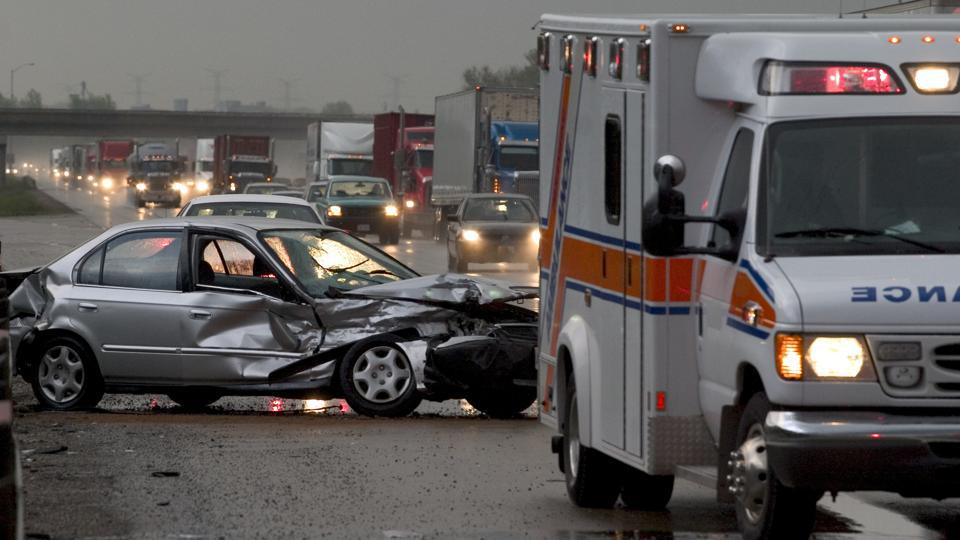
Personal injury claims outside the workplace context, whether from a car accident, a slip and fall, or another type of incident, follow this more traditional negligence framework from the start, requiring proof that someone else’s carelessness actually caused the injury and its resulting damages. Yakima’s specific mix of urban and rural roads, agricultural traffic, and seasonal tourism creates its own particular evidentiary considerations that don’t come up in every Washington community equally.
Rural roads in the surrounding agricultural areas see a mix of slower farm equipment and faster passing traffic that can create crash scenarios rarely seen in a purely urban setting, and establishing fault in these cases sometimes depends on understanding specific rules around passing farm vehicles and right-of-way that differ from a standard intersection collision in town. A witness or a piece of physical evidence unique to this kind of rural crash scenario often requires a slightly different investigative approach than a routine city intersection accident.
A yakima personal injury attorney handling cases across this varied landscape typically has to adjust the evidence-gathering approach depending on where a specific incident happened, since a collision on a busy urban street generates different kinds of available evidence than one on a rural agricultural road with far fewer cameras or potential witnesses passing through.
Why Presenting a Claim’s Real Value Beats Accepting the First Offer
Car accident settlements specifically depend heavily on documentation quality and timing, since Washington’s comparative negligence rule reduces any recovery by whatever percentage of fault gets assigned to the injured party, and insurance companies routinely look for any contributing factor that might push that percentage higher regardless of how clearly the other driver actually caused the crash.
Approaching this stage with a clear understanding of car accident settlement negotiation tends to go more favorably for an injured party who knows the specific factors an insurance adjuster actually weighs when evaluating a claim, rather than accepting a first offer that reflects the lowest number an adjuster believes might get accepted. Understanding the actual value of medical expenses, lost wages, and the less tangible impact an injury has had on daily life, and presenting that value with clear documentation, tends to produce considerably better outcomes than negotiating from a position of uncertainty about what a claim is genuinely worth.
Timing this negotiation matters as much as the substance of what gets presented, since settling before an injury has fully revealed its extent through weeks of treatment or a specialist’s evaluation can lock in a number considerably below what the case would have been worth with more patience. Insurance companies are well aware of this dynamic, which is part of why an unusually fast, generous-sounding settlement offer sometimes arrives before anyone can say with confidence how a recovery is actually going to progress.
Recognizing Which Framework Actually Applies to a Specific Injury
None of these situations a standard workers’ comp claim, a third-party claim arising from a workplace injury, and a car accident claim get resolved through an identical process, even though all fall under Washington’s broader injury compensation framework. A workers’ comp claim depends on prompt reporting and navigating a no-fault but capped benefit system. A third-party claim depends on proving standard negligence against someone other than the employer. A car accident claim depends on documentation quality and countering an insurance company’s comparative fault arguments. Recognizing which framework actually applies to a specific situation tends to matter more than any general assumption about how an injury claim in Washington typically resolves.