
What Actually Happens in the Hours After a DUI Arrest
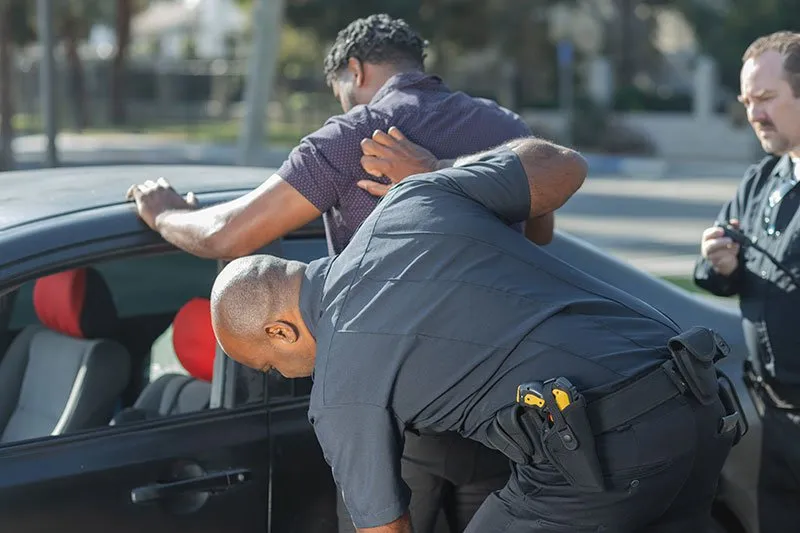
A DUI arrest moves through a sequence of steps that most people have never had reason to think about until they’re actually living through it. The roadside stop itself is often the shortest part of the entire process, yet it’s the part most people picture when they imagine what a DUI case looks like. What actually determines how the case unfolds happens mostly in the hours, days, and weeks that follow that initial stop.
Why the Roadside Evidence Is Weaker Than It Looks
Field sobriety tests administered at the roadside carry less scientific weight than most people assume, largely because they were designed to be observed under controlled conditions that a dark shoulder of a highway rarely provides. Uneven pavement, weather, nervousness, and even certain medical conditions unrelated to alcohol can all affect performance on these tests, which is part of why the officer’s own written report from the scene often becomes a point of scrutiny well before any chemical test result enters the picture.
Breath and blood testing introduces its own set of procedural requirements that don’t always get followed correctly, even though the science behind the testing itself is generally reliable when done properly. Breathalyzer devices require regular calibration and maintenance logs, and an officer administering the test needs to follow a specific waiting period and observation protocol before the sample is considered valid. A gap in that calibration record, or a deviation from the required observation period, can become relevant to how a case gets evaluated later, regardless of what the actual test result showed.
Once a case reaches this stage, blake poole gainesville ga clients contact after an arrest typically requests the complete arrest file early in the process the officer’s bodycam footage, the specific breathalyzer’s maintenance and calibration history, and the written incident report since comparing these sources against each other sometimes reveals inconsistencies that aren’t obvious from a single document alone. An incident report describing behavior that bodycam footage doesn’t actually support is the kind of discrepancy that tends to matter considerably once a case moves forward.
Why the License Clock Runs Faster Than the Court Clock
The period immediately following an arrest also triggers a separate administrative process running alongside the criminal case, since a driver’s license can face suspension through the state’s licensing authority independent of whatever happens in criminal court. This administrative process typically operates on a much shorter timeline than the criminal case itself, often requiring a request for a hearing within just a matter of days after the arrest, which catches a lot of people off guard since their attention is understandably focused on the criminal side of things first.
That short timeline runs on its own clock regardless of when someone actually retains an attorney, which is part of why the administrative side sometimes gets overlooked entirely. The hearing itself, when requested in time, focuses narrowly on specific procedural questions whether the officer had reasonable grounds for the stop, whether the testing was offered and refused or administered correctly rather than the broader question of guilt that the criminal case will eventually address. Winning that narrower administrative hearing can preserve driving privileges throughout the pendency of the criminal case even when the criminal case itself is still far from resolved.
Missing that short administrative window can mean an automatic suspension goes into effect regardless of how the underlying criminal case eventually resolves, which is why addressing both tracks promptly rather than assuming one process naturally follows the other tends to matter more than people initially realize. Effective criminal defense strategies often require addressing administrative deadlines alongside the criminal proceedings from the very beginning. Someone focused entirely on hiring criminal defense counsel a few weeks after an arrest may discover the administrative deadline has already passed by the time they get around to it.
Why Pretrial Hearings Reveal How Strong a Case Actually Is
Court dates for the criminal case itself typically start with an arraignment, where formal charges get read and an initial plea gets entered, followed by a series of pretrial hearings where evidence gets reviewed and potential issues with how the stop or testing was conducted get raised. This stage is often where the strength of a case actually becomes clear, since it’s when both sides get a fuller look at exactly what evidence exists and whether any procedural problems occurred along the way.
Plea negotiations frequently begin during this pretrial period, well before any trial date would ever come into play, and prosecutors evaluate these cases based largely on how strong the underlying evidence appears once any procedural challenges have been resolved. A case with a clean traffic stop, properly calibrated testing equipment, and consistent officer testimony gets approached very differently in negotiations than one where several of those elements are genuinely in question.
A dui lawyer gainesville ga residents work with during this stage typically spends considerable time reviewing whether the initial traffic stop itself was legally justified, since an officer needs a specific, articulable reason to pull someone over in the first place. A stop based on a hunch or a pretext that doesn’t hold up to scrutiny can affect everything that followed from it, including any evidence gathered after the stop occurred, regardless of what that evidence ultimately showed.
Prior offenses on someone’s record change the calculation considerably at every stage of this process, since penalties for a DUI typically escalate with each subsequent offense within a defined lookback period, and prosecutors often approach negotiations differently depending on whether they’re dealing with a first-time situation or someone with a documented pattern. Understanding exactly how a prior offense factors into the current charge, including whether it falls within the relevant lookback window under current law, tends to shape the entire strategy from the earliest stages of a case.
Employment and professional licensing consequences also weigh into how a case gets approached, since certain jobs and professional certifications carry their own reporting requirements or automatic consequences tied to a DUI conviction that have nothing to do with the criminal penalty itself. Someone holding a commercial driver’s license, a nursing certification, or a position requiring routine background checks faces a different set of practical stakes than someone whose employment wouldn’t be directly affected by the outcome, and that broader context often shapes how aggressively a case gets negotiated or contested.
None of this means every DUI arrest results in a conviction, or that every case follows an identical path from stop to resolution. What actually happens depends heavily on the specific circumstances of the stop, whether testing procedures were followed correctly, and how the administrative and criminal tracks get managed in the days immediately following an arrest. Understanding that these two tracks move on different timelines, and that the roadside stop is often just the starting point of a much longer process, tends to matter more than any general assumption about how a DUI case is supposed to unfold.