
What Happens After a Divorce Case Is Officially Filed in San Diego
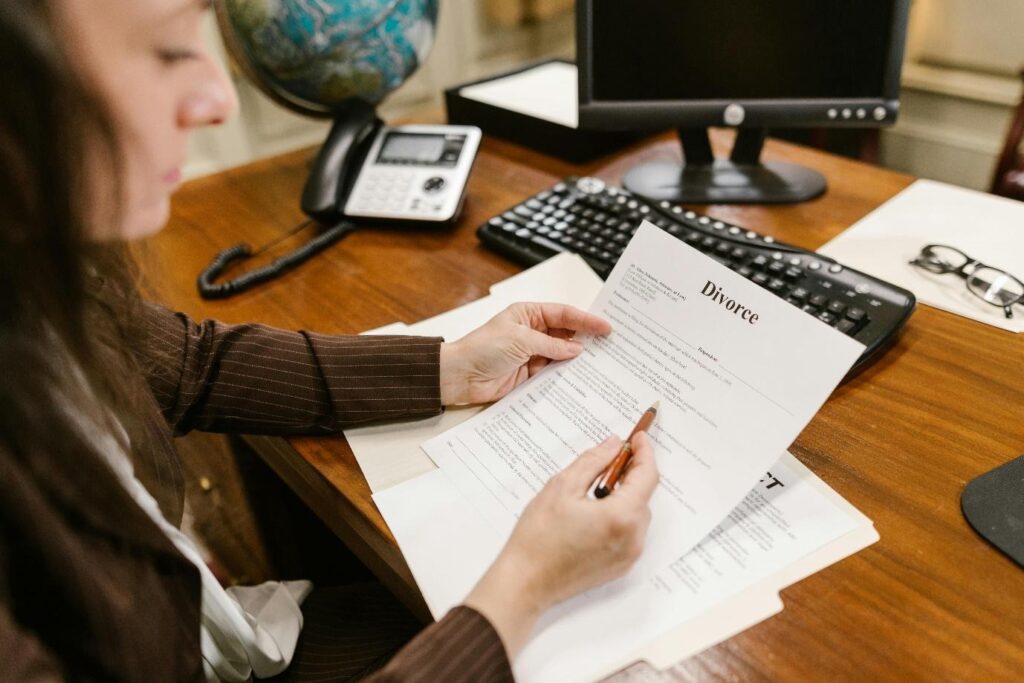
Once a divorce case is filed in San Diego, the legal process begins immediately. The filing spouse becomes the petitioner, and the other spouse becomes the respondent.
San Diego is one of California’s most populous counties, with the Superior Court of California handling thousands of family law cases each year. The court operates under the San Diego Superior Court Family Law Division, which manages divorce filings, hearings, and final judgments.
Working with a skilled San Diego divorce attorney from the start can help you avoid costly procedural mistakes during this stage.
What the Filing Process Triggers
After the petition is filed, several things happen at the same time. The court assigns a case number, and a mandatory waiting period begins under California Family Code Section 2339. California law requires a minimum six-month waiting period before a divorce can be finalized, starting from the date the respondent is served.
Service of Process
The respondent must be served with the divorce papers. This must be done by someone who is at least 18 years old and not involved in the case.
The respondent then has 30 days to file a formal response. If no response is filed, the petitioner may request a default judgment.
Automatic Temporary Restraining Orders (ATROs)
Once the petition is filed, ATROs go into effect automatically for both spouses under California Family Code Section 2040. These orders restrict both parties from:
- Removing children from the state without written consent or a court order
- Canceling or changing insurance policies
- Transferring, selling, or hiding marital assets
- Creating or changing any non-probate transfers
ATROs stay in place until the divorce is finalized or a judge modifies them.
What Happens During the Waiting Period
The six-month period is not idle time. Both spouses are expected to exchange financial disclosures under California Family Code Section 2100. These disclosures include income, assets, debts, and expenses.
Temporary Orders
Either spouse can request temporary court orders during this period. These can cover:
- Child custody and visitation
- Spousal support
- Child support
- Use of shared property
Temporary orders stay in place until the final judgment replaces them.
Settlement vs. Trial
Most San Diego divorces settle before going to trial.
Settlement means both spouses agree on the terms outside of court. It is usually faster, less expensive, and less stressful. A Marital Settlement Agreement is drafted and submitted to the judge for approval.
A trial happens when spouses cannot agree. A judge decides unresolved issues, which can take much longer and cost significantly more.
Steps to Take After Filing
- Respond on time if you are the respondent. Missing the 30-day window can result in a default judgment against you.
- Gather your financial documents early. Tax returns, bank statements, and pay stubs will be needed for mandatory disclosures.
- Comply with ATROs immediately. Violating these orders can hurt your credibility with the court.
- Request temporary orders if you need immediate support or custody arrangements.
- Attend all scheduled hearings. Missing court dates can delay your case or result in unfavorable rulings.
- Keep communication professional. All written communication may be reviewed by the court.
Key Takeaways
- Filing the petition starts the mandatory six-month waiting period under California Family Code Section 2339.
- ATROs automatically restrict both spouses from moving assets or changing insurance after filing.
- The respondent has 30 days to reply after being served with divorce papers.
- Both parties must complete financial disclosures under California Family Code Section 2100.
- Temporary orders can address custody, support, and property use while the case is pending.
- Most San Diego divorces are resolved through settlement rather than going to trial.
- Missing deadlines or violating ATROs can seriously affect your outcome in court.