
What Pembroke Pines Businesses Should Know About Premises Liability and Slip and Fall Claims
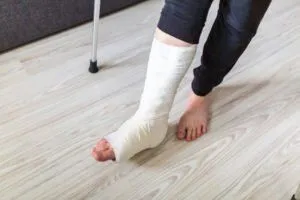
Slip and fall accidents remain one of the most common sources of premises liability litigation in the United States. While many incidents result in relatively minor injuries, others can lead to significant medical expenses, prolonged recovery periods, and costly legal disputes. For business owners, understanding how these claims arise and how courts evaluate liability is an important part of risk management.
Commercial properties throughout Pembroke Pines welcome thousands of visitors each day. Retail stores, restaurants, medical offices, shopping centers, and professional buildings all have a legal responsibility to maintain reasonably safe premises for customers and other lawful visitors. When dangerous conditions exist and a visitor suffers an injury, the property owner or occupier may face a premises liability claim.
Understanding how slip and fall claims develop can help businesses reduce risk, improve safety practices, and better protect themselves from potential litigation.
Understanding Premises Liability
Premises liability is a legal concept that holds property owners and occupiers responsible for maintaining reasonably safe conditions on their property. Although the specific facts of every case differ, injured plaintiffs generally must establish that a dangerous condition existed, that the property owner knew or should have known about it, and that the hazardous condition caused the injury.
Courts often examine whether the owner had actual notice or constructive notice of the hazard. Actual notice exists when the owner was aware of the dangerous condition. Constructive notice may exist when the condition was present long enough that a reasonable inspection would have discovered it.
Common examples of conditions that frequently give rise to slip and fall litigation include:
- Wet or slippery floors
- Uneven sidewalks and walkways
- Damaged stairs
- Missing handrails
- Poor lighting
- Torn carpeting
- Obstructed pathways
- Loose floor mats
While these hazards may appear minor, they can create substantial legal exposure when they contribute to serious injuries.
The Financial Impact of Slip and Fall Claims
Premises liability claims can create significant financial consequences for businesses. In addition to potential settlement or judgment costs, businesses may incur expenses related to legal representation, insurance deductibles, increased premiums, and internal investigations.
The severity of the injury often influences the value of a claim. Cases involving fractures, traumatic brain injuries, spinal injuries, or permanent impairment may result in substantial damages. Even claims that are successfully defended can require considerable time and resources.
For this reason, businesses often view premises safety not only as a compliance issue but also as an important component of overall risk management.
Slip and fall cases often involve questions about hazardous conditions, notice, and whether a property owner acted reasonably under the circumstances. Readers seeking a broader understanding of these issues can review this guide to slip and fall accidents for additional information about how such claims are evaluated.
Evidence Often Determines the Outcome
One of the most important aspects of any premises liability case is evidence.
When an accident occurs, the parties involved typically seek to determine what happened, how long the condition existed, and whether reasonable steps were taken to address it. Surveillance footage, maintenance records, inspection logs, photographs, witness statements, and incident reports can all become important pieces of evidence.
Businesses that maintain consistent inspection procedures and document corrective actions may be better positioned to demonstrate that they exercised reasonable care. Conversely, missing records or inconsistent maintenance practices can create challenges during litigation.
Proactive Safety Measures Reduce Legal Risk
Many premises liability claims arise from hazards that could have been identified and corrected through routine inspections and maintenance. Establishing formal safety procedures can help businesses address issues before they result in injuries.
Effective risk-management practices often include:
- Regular property inspections
- Written maintenance schedules
- Employee hazard reporting procedures
- Prompt remediation of known hazards
- Proper warning signs during cleaning or repairs
- Preservation of incident documentation
These measures not only promote safety but may also provide valuable evidence if a claim arises.
Employee Training and Internal Reporting
Employees frequently serve as the first line of defense against potential hazards. Staff members who understand how to identify and report dangerous conditions can help prevent accidents before they occur.
Training programs should emphasize prompt reporting, documentation procedures, and immediate corrective action when hazards are discovered. A strong internal reporting culture can reduce the likelihood that dangerous conditions remain unaddressed for extended periods.
Courts evaluating premises liability claims may consider whether a business maintained reasonable procedures for identifying and correcting safety concerns.
Reputational Consequences Beyond Litigation
While financial losses are often measurable, reputational harm can be more difficult to quantify.
A serious injury incident may generate negative online reviews, social media attention, or adverse publicity. Businesses that develop a reputation for poor maintenance or unsafe conditions may find it more difficult to attract and retain customers.
Maintaining safe premises therefore serves both legal and business objectives. Companies that prioritize safety often strengthen customer confidence while reducing potential liability exposure.
When Legal Guidance Becomes Important
Following a serious accident, both businesses and injured individuals may benefit from understanding their legal rights and obligations. Premises liability claims often involve complex factual and legal issues, including notice requirements, comparative negligence arguments, and evidence preservation.
Individuals seeking guidance regarding a potential claim may choose to consult a slip and fall attorney in Pembroke Pines to better understand how liability may be evaluated under the circumstances of their case.
Businesses can also benefit from periodic reviews of their safety procedures and risk-management practices to identify potential vulnerabilities before an accident occurs.
Conclusion
Slip and fall claims continue to represent a significant source of premises liability litigation. For businesses operating in Pembroke Pines, understanding the legal principles that govern these claims can help reduce risk and improve safety outcomes.
By conducting regular inspections, maintaining accurate records, training employees, and addressing hazards promptly, businesses can better protect visitors while reducing potential legal exposure. Effective premises safety is not simply a maintenance issue. It is an important component of sound legal risk management.