
What the Law Says About Purchasing Commercial Real Estate
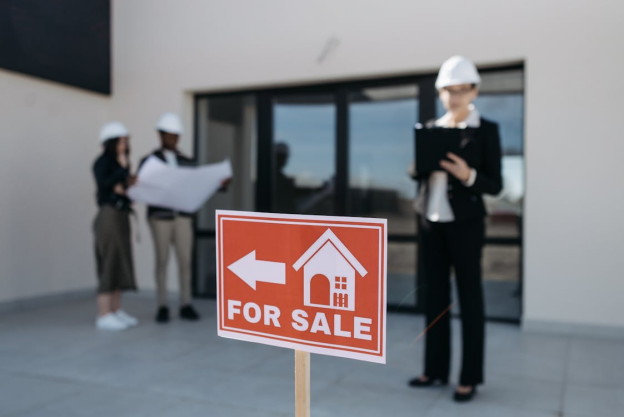
Commercial buildings tend to change hands quietly. Most people only notice after something has already happened—a new restaurant opens, a warehouse suddenly has a tech company sign on the door, or an office building starts filling up with different businesses.
But behind that change, a long process usually took place.
Buying commercial real estate is often imagined as a fairly direct transaction. Someone finds a building they like, negotiates the price, signs some paperwork, and moves forward. In reality, it’s rarely that simple. Legal rules are layered all over the process, and many of them only become obvious once someone begins looking seriously at a property.
For business owners or investors stepping into this world for the first time, the legal side can feel surprisingly dense. Still, it exists for a reason. Those rules are designed to prevent disputes, clarify ownership rights, and make sure everyone involved understands what’s actually being purchased.
And sometimes that clarity makes all the difference.
Legal Foundations of Buying Commercial Real Estate
When people talk about commercial real estate, the focus is often placed on location, market value, or rental income. Those things matter, obviously. But before any of that becomes relevant, the legal framework surrounding the property usually has to be sorted out first.
Property law determines who owns the land and what rights come with it. Contract law governs how the sale itself is structured. Local regulations—especially zoning—control what activities can actually take place on the property once it’s purchased.
All of that tends to be examined early.
Ownership history is reviewed carefully through a title search. Any liens attached to the property must be identified. Existing lease agreements may need to be studied as well, especially if tenants are already occupying the building.
These steps are particularly important for buyers entering commercial property investment, where legal due diligence helps confirm that the property can be transferred without unresolved disputes, hidden liabilities, or contractual complications that might affect its long-term value. In many cases, legal professionals are brought in to review the documentation so that potential problems are identified before the purchase is finalized.
It may seem cautious. Sometimes even slow.
But when large assets are involved, that level of caution is usually considered necessary.
Zoning Laws and Property Use Restrictions
One of the first legal realities buyers encounter in commercial real estate is zoning.
Cities divide land into categories that determine how properties can be used. Some areas are designated for retail operations. Others allow office space, industrial activity, or mixed-use development. These zoning classifications are set by local governments to manage growth and maintain some order within different parts of a city.
For buyers, zoning can quietly shape the entire deal.
A building might appear perfect for a certain business idea—a café, maybe, or a manufacturing space. But if the zoning designation doesn’t allow that type of activity, the plan might not move forward without additional approvals.
Sometimes a zoning variance can be requested. That process allows a property owner to ask the city for permission to use the land in a slightly different way.
Whether that request is approved, though, depends on several factors. Neighborhood plans, city regulations, and local development goals often come into play.
So before a purchase moves too far along, zoning rules are usually reviewed very carefully.
Due Diligence and Legal Property Checks
The term “due diligence” comes up a lot in commercial real estate, and it refers to a fairly detailed investigation that takes place before the transaction closes.
During this phase, the property is examined from several angles.
A title search is conducted first. That confirms the seller truly has the legal authority to transfer ownership. If there are liens or unresolved claims against the property, they will usually appear during this process.
Financial records are reviewed as well. Property tax history may reveal unpaid obligations that could transfer to the new owner. Existing leases—if tenants are present—are examined closely so the buyer understands the income structure tied to the building.
Environmental assessments are sometimes ordered too.
If the property previously hosted industrial activity, there may be regulations requiring soil testing or contamination reviews. These checks exist because environmental cleanup responsibilities can sometimes be assigned to whoever owns the property next.
It’s a thorough process. Occasionally tedious.
But it prevents surprises that could otherwise become very expensive.
read more : Bail Bonds Basics: A Practical Guide for Families
Purchase Agreements and Contract Requirements
Commercial real estate transactions rely heavily on written agreements. The purchase contract acts as the roadmap for the entire deal.
Price is obviously included in that document, but many other details appear as well. Inspection timelines are often outlined. Financing conditions might be specified. Closing procedures and deadlines are also written into the agreement.
Contingency clauses are particularly important.
These clauses allow the buyer to withdraw from the deal if certain requirements aren’t satisfied. For example, if financing falls through or inspections reveal serious structural issues, the contract may allow the buyer to step away without penalty.
Because these agreements are legally binding, they are usually reviewed by attorneys before they are signed.
A few lines of contract language can shift responsibilities in ways that aren’t always obvious at first glance.
Financing Regulations and Lending Requirements
Commercial property purchases are frequently financed through loans, but the lending process tends to look different from residential mortgages.
Banks often evaluate commercial borrowers more cautiously. The financial stability of the buyer is reviewed, but the income potential of the property itself is also considered.
Lenders may request financial statements, business plans, or projections showing how the building will generate revenue.
An appraisal is typically ordered as well. That determines whether the purchase price aligns with the property’s market value.
Once the appraisal is completed, loan-to-value ratios are calculated. These ratios help lenders measure the level of financial risk associated with the deal.
It’s a fairly structured system. And while the process may feel slow at times, those safeguards exist to keep the financing stable for everyone involved.
Commercial real estate often looks simple on the surface. A building is listed, a buyer steps forward, and a transaction takes shape.
But behind that transaction, a legal structure is usually doing a lot of work.
Ownership records are verified. Zoning restrictions are checked. Contracts are drafted carefully. Financing conditions are evaluated. And sometimes environmental or tenant-related obligations must be addressed before the deal can move forward.
For buyers, understanding those layers early tends to make the process smoother.
Because in commercial real estate, the success of the purchase isn’t determined only by the property itself. Quite often, it depends on how well the legal groundwork beneath it has been handled.