
Protecting Family Farms Through Chapter 12 Bankruptcy Reorganization
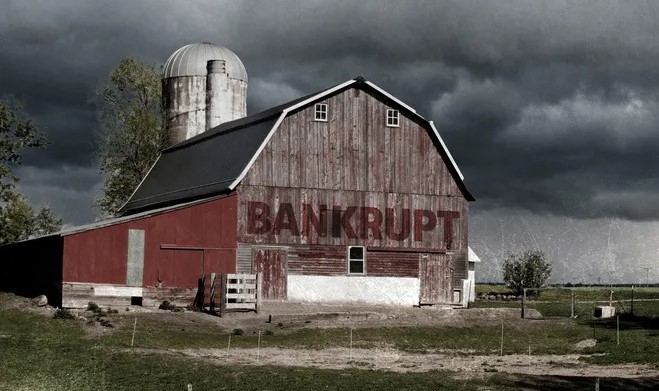
U.S. agriculture has always operated at the mercy of forces beyond a farmer’s control: volatile commodity prices, rising input costs, unpredictable weather, supply chain disruptions, and shifting trade policies. In recent years, many family farmers have faced mounting debt while trying to keep multigenerational operations alive. When restructuring becomes necessary, working with a chapter 12 farm bankruptcy attorney can provide a strategic path forward rather than a last resort.
Understanding Chapter 12 Bankruptcy
Chapter 12 bankruptcy was specifically created to address the unique financial realities of family farmers and fishermen. Unlike Chapter 7 liquidation or Chapter 11 reorganization, Chapter 12 is tailored to seasonal income cycles, fluctuating revenue, and the long-term nature of agricultural operations.
Farmers often have significant secured debt tied to land, equipment, livestock, and operating loans. Chapter 12 allows eligible family farmers to reorganize that debt into a manageable repayment plan typically spanning three to five years while continuing to operate the farm. This structure recognizes that farming is not just a business; it is often a livelihood tied to heritage, land stewardship, and community.
Why Farmers Face Financial Distress
Financial hardship in agriculture rarely stems from a single decision. Instead, it is usually the result of compounding factors:
- Prolonged drops in commodity prices
- Increased fuel, fertilizer, and equipment costs
- Weather-related crop failures or livestock losses
- High-interest operating loans
- Reduced access to credit
Because many farms rely on annual production cycles, one or two difficult seasons can quickly spiral into overwhelming debt. Missed loan payments can trigger foreclosure actions or equipment repossession, threatening the farm’s ability to continue operating. At this point, proactive legal guidance becomes essential.
The Benefits of Chapter 12 Reorganization
Chapter 12 offers several powerful tools designed specifically for agricultural operations:
1. Automatic Stay Protection
Once a Chapter 12 case is filed, an automatic stay immediately halts collection efforts. This means lenders must stop foreclosure proceedings, repossessions, and lawsuits. For farmers facing urgent pressure from creditors, this pause can be critical.
2. Flexible Repayment Plans
Unlike other bankruptcy chapters, Chapter 12 accounts for the seasonal and cyclical nature of farm income. Payments can be structured around harvest schedules or livestock sales, allowing for more realistic repayment terms.
3. Debt Restructuring
Certain secured debts may be restructured or reduced to the value of the collateral. Interest rates can sometimes be adjusted, and repayment terms extended, improving cash flow and operational stability.
4. Retention of Assets
The primary goal of Chapter 12 is not liquidation it is preservation. Farmers generally retain ownership of land, equipment, and livestock while reorganizing their financial obligations.
Eligibility Requirements
To qualify for Chapter 12, a farmer must meet specific criteria regarding the percentage of debt arising from farming operations and total debt limits. Income must also be primarily derived from farming activities. Because eligibility rules can be complex and periodically adjusted, professional guidance is crucial to determine qualification before filing.
The Role of Legal Counsel
Filing under Chapter 12 is not simply about submitting paperwork. It requires a comprehensive review of financial statements, asset valuations, creditor claims, and projected farm income. A skilled attorney helps:
- Evaluate whether Chapter 12 is the most strategic option
- Prepare accurate financial disclosures
- Develop a feasible repayment plan
- Negotiate with secured and unsecured creditors
- Represent the farmer in court proceedings
Agricultural cases often involve specialized lenders, government-backed loans, crop liens, and equipment financing arrangements. An experienced legal professional understands how these obligations interact and how to structure a plan that courts are likely to confirm.
Long-Term Farm Viability
Bankruptcy carries emotional weight in tight-knit agricultural communities. Many farmers hesitate to explore Chapter 12 because they associate bankruptcy with failure. In reality, Chapter 12 is a legal tool designed specifically to protect family farms from collapse during temporary financial strain.
With a properly structured plan, farmers can stabilize operations, preserve generational land ownership, and regain control over cash flow. In many cases, reorganization provides breathing room to adapt to market changes, diversify crops, or adjust operational strategies.
Acting Early Matters
The earlier a farmer seeks legal advice, the more options typically remain available. Waiting until foreclosure is imminent limits flexibility and increases stress. Consulting with a knowledgeable chapter 12 farm bankruptcy attorney at the first signs of sustained financial pressure can dramatically improve outcomes.
Agriculture will always involve risk. But financial distress does not have to mean the end of a family farming legacy. With informed planning, strategic restructuring, and experienced legal support, Chapter 12 can serve as a lifeline allowing farmers not only to survive challenging seasons but to build a stronger foundation for the future.