
How Truck Accident Claims Differ From Car Accident Cases
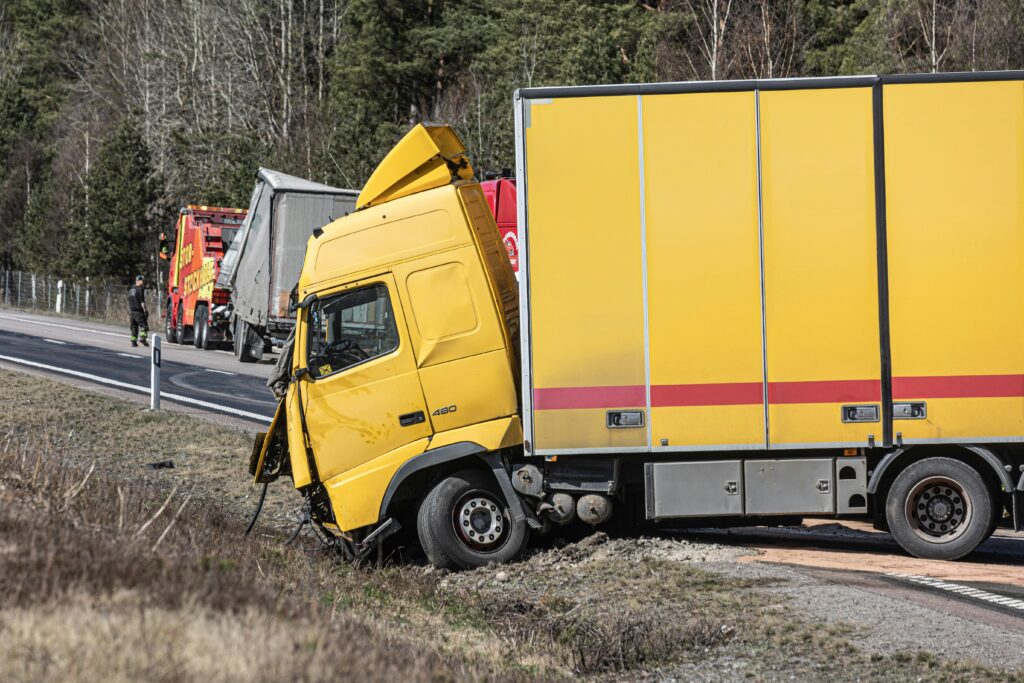
Truck accidents and car accidents may seem similar at first glance, but the legal processes behind them are very different. The size of commercial trucks, the parties involved, and the regulations governing the trucking industry all shape how claims are handled.
For instance, a study reported by the National Public Radio shows that taller vehicles present a higher risk to pedestrians. This is true even at lower speeds because their elevated front profiles make severe injuries more likely. Researchers found that taller vehicles increase injury risk more significantly than smaller ones.
Anyone dealing with a truck accident claim quickly realizes that it involves more complexity than a standard car accident case. Recognizing these differences allows victims to make better choices and steer clear of errors that might impact their claims.
The Scale of Damage and Injury
One of the most noticeable differences between truck and car accidents lies in the severity of the impact. Commercial trucks are much bigger and heavier than regular cars, often resulting in more severe injuries and greater property loss.
A WBUR discussion explains that the increasing size and design of trucks and SUVs have contributed to greater risks for pedestrians. Experts point out that vehicles with higher and flatter fronts tend to cause more fatal injuries. In response, the National Highway Traffic Safety Administration has introduced proposed regulations that would require automakers to adjust vehicle designs.
These higher stakes directly influence how claims are evaluated. Since the chances of severe injuries increase, the scale of damages in truck accident cases also rises. Therefore, insurers review every detail closely to estimate the total damages payable to victims.
According to the Loewy Law Firm, these can include economic and non-economic damages. The economic damages comprise medical expenses, property damage, lost income, and more. On the other hand, non-economic damages consist of mental health effects, pain and physical discomfort, limited activity, etc.
Multiple Parties May Be Involved
Car accident claims usually involve the drivers of the vehicles and their insurance providers. However, truck accident claims, especially the commercial ones, include several additional parties.
Consider the example of a fatal crash in southwest Houston involving an Amazon truck. The truck reportedly went through a red light and collided with a sedan during the night. The impact caused the sedan driver, who was not wearing a seatbelt, to be ejected and pronounced dead at the scene.
In this case, the truck and sedan driver aren’t the only parties involved. Here, Amazon is also involved. Suppose the company had hired a third party to manage deliveries; then that vendor would also be involved. Each involved party can have its own insurance coverage and legal team, making the claim more complex.
This multi-party structure often leads to more complex negotiations. Determining who is responsible and to what extent requires a detailed investigation that goes beyond what is typically needed in a car accident case.
Federal and State Regulations
Truck accident claims follow a distinct set of rules that differ from typical car accident cases. The trucking industry operates under strict federal and state regulations that govern:
- How long can drivers operate
- How vehicles are maintained
- How cargo is secured
When a crash happens, these regulations are key in deciding who is responsible. For instance, if a driver exceeded the legally allowed driving hours, that violation could be used as evidence of negligence.
In addition, business drivers are required to hold a separate commercial driver’s license (CDL). Drivers of trucks with double or triple trailers, tank trucks, or those carrying hazardous materials also need a separate endorsement.
Another important factor is how compliance with these rules is documented and enforced. Trucking companies must maintain detailed documentation, such as driver logs, inspection records, and safety audits. They serve as evidence in a truck accident claim.
These records help establish whether the driver and the trucking company followed all required safety regulations. If inconsistencies, missing entries, or violations are found, they can significantly strengthen a victim’s case.
Increased Liability Due to the Challenges of Maneuvering Trucks
Another key difference is that driving a commercial truck requires much greater skill and effort. The size, weight, and limited maneuverability of trucks create risks not present in standard vehicles, directly affecting liability assessment.
For instance, trucks need more space to turn, take longer to stop, and require precise lane control. If a driver fails to account for these limitations, it can be used as evidence of negligence in a claim.
Consider the stopping distances, which are 20% to 40% more in loaded trucks compared to standard cars. These vehicles are often carrying cargo and may weigh 20 to 30 times more than standard cars.
In fact, the American Trucking Associations notes that trucks moved 11.27 billion tons of freight in 2024 alone. Thanks to that, the trucking industry saw a revenue of $906 billion.
Moreover, trucks have larger blind spots, and drivers are expected to check these areas thoroughly before changing lanes or merging. Failure to do so can shift liability more heavily onto the truck driver or the trucking company.
Frequently Asked Questions
How much time does it take to resolve a truck accident claim?
The time required to settle a truck accident claim can differ significantly based on how complex the situation is. Cases involving multiple parties, serious injuries, or disagreements over fault usually take longer, as they require thorough investigation and careful negotiation. In many instances, reaching a final outcome can take several months and may even extend beyond a year.
Can a truck accident claim be settled without going to court?
Many truck accident claims are settled outside of court, as insurers and legal teams negotiate to reach a fair compensation. Insurance companies and legal representatives often negotiate to reach an agreement that compensates the victim fairly. However, settlement discussions can become complicated when multiple parties are involved or when there is disagreement over liability.
Are truck drivers always at fault in these accidents?
Truck drivers are not automatically considered at fault in every accident. While driver error can play a role, responsibility may also lie with the trucking company, maintenance providers, or other third parties. For example, poor vehicle maintenance, improper loading of cargo, or unrealistic delivery schedules can all contribute to an accident.
Truck accident claims differ from car accident cases in many key aspects. It includes the severity of injuries, the number of parties involved, and the impact of federal regulations, which increase complexity. These differences affect how claims are investigated, negotiated, and ultimately resolved.
Anyone dealing with a truck accident should be prepared for a more detailed and demanding legal process. Spending time to understand these differences can significantly influence how a claim progresses.