
Affordable Employee Benefits: Trying New Approaches for Better Coverage
Key Takeaways
- Tailoring benefits to employee needs improves value and satisfaction.
- Collaboration with insurers and the embrace of technology can drive better health outcomes and administrative efficiency.
- Employers can still offer generous perks without compromising on cost controls by staying proactive and flexible.
In today’s fiercely competitive job market, businesses face significant pressure to offer robust and cost-effective employee benefits. Attracting and retaining top talent requires comprehensive coverage, but rising healthcare costs and complex regulations make this a significant challenge. By staying informed and adopting innovative strategies, employers can maintain a balance between affordability and comprehensive coverage for their staff. For those needing guidance in benefit design and compliance, consulting an ERISA disability insurance lawyer can help avoid costly missteps.
Securing the right mix of benefits matters more than ever. Employees expect a wider range of offerings — from traditional healthcare to mental health and wellness services, while employers are eager for solutions that control spending. Fortunately, exploring new approaches and leveraging technology can help bridge that gap.
Understanding Employee Needs
Designing a successful benefits package begins with understanding what your employees actually want and need. This can vary widely based on the workforce’s age, health status, income level, and geographic location. Conducting employee surveys or focus groups yields insights into which benefits are most valued. Prioritizing employee feedback leads to greater satisfaction and helps ensure that resources are allocated efficiently, avoiding unnecessary or underused benefits.
Employers who regularly assess and update their offerings not only avoid overspending but also build a culture of trust and transparency. By clearly communicating the available options and listening to employee input, companies can craft packages that truly support their team’s well-being.
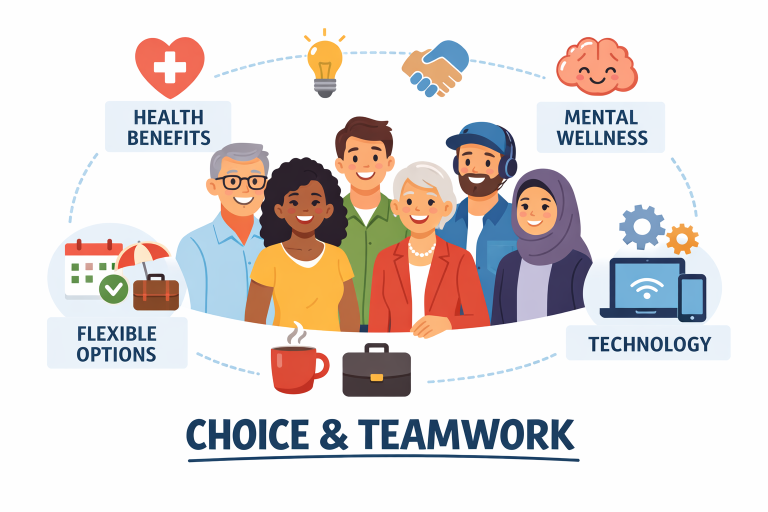
Collaborating with Insurers for Customized Plans
Employers who actively partner with insurance carriers can develop customized plan designs that better reflect their workforce’s needs. Analyzing anonymized health data can help identify trends and opportunities for preventive care programs. Many insurers are now open to co-designing solutions that introduce wellness incentives, disease management, or telehealth options. These can lower costs over time and foster a healthier, more engaged workforce.
Tiered plan options and specialty programs have risen in popularity, allowing employees to select coverage that best suits them while helping employers manage healthcare budgets more predictably. Collaborating closely with insurers can also reveal opportunities to enhance plans that support both parties’ objectives.
Implementing Flexible Benefits and Funding Strategies
Traditional, one-size-fits-all plans no longer meet the demands of today’s diverse teams. Flexible benefits allow employees to choose from a menu of coverage options, including different deductibles, co-payments, and wellness offerings. This ensures that coverage aligns with individual circumstances while allowing employers to control costs by setting fixed contributions.
Innovative funding models, such as Health Reimbursement Arrangements (HRAs), also offer tax advantages and greater flexibility. With HRAs, employers can contribute a set amount, allowing employees to select plans that best meet their needs. Not only does this model drive cost savings, but it also boosts employee satisfaction by promoting choice.
Emphasizing Mental Health Support
Addressing mental health is an essential part of any comprehensive benefits plan. Over 90 percent of U.S. employers now include mental health coverage, recognizing its direct link to productivity, morale, and overall health. Access to counseling services, teletherapy, and stress management programs supports a holistic approach, signaling an employer’s genuine concern for staff wellness. Companies that prioritize mental health reap measurable rewards. Reduced absenteeism, higher engagement, and better retention rates are common outcomes.
Exploring Alternative Coverage Models
For some employers, especially small businesses, traditional group health insurance may not be the most cost-effective solution. Alternative models, such as Individual Coverage Health Reimbursement Arrangements (ICHRAs), empower employees to purchase their own plans with employer-provided allowances. ICHRAs can reduce administrative burden and offer flexibility, though they require robust support to enable employees to make informed choices.
Employers must communicate openly about how these models interact with government marketplace subsidies and about the resources available to help employees select appropriate coverage. When implemented thoughtfully, alternative coverage models can be a win-win for both employers and staff.
Leveraging Technology for Benefits Administration
Modern benefits administration platforms make it easier for both employers and employees to manage health plans. Digital tools facilitate enrollment, provide easy access to plan documents, and offer decision-support guidance. Technology also streamlines compliance and data management, further reducing costs and administrative headaches.
Investments in user-friendly online tools demonstrate a commitment to transparency and support employees in making choices that align with their health goals. This shift towards digital administration is transforming how benefits programs are experienced and optimized across industries.
Regularly Reviewing and Adjusting Benefits Offerings
The healthcare landscape and employee expectations continually evolve, making ongoing benefit assessment essential. Regular reviews, utilizing employee feedback and industry benchmarks, ensure that plans remain competitive and cost-effective. Employers should stay alert to field trends, regulatory updates, and innovative solutions that can add value without escalating spend.
Final Thoughts
By actively managing benefits, employers can respond quickly to employee needs and market changes, cementing their reputation as a desirable place to work and positioning the organization for long-term success. Additionally, an adaptable benefits approach ensures greater relevance and appeal as new generations enter the workforce. Organizations that prioritize ongoing education around benefits, compliance requirements, and emerging tools will be better equipped to offer targeted, high-impact benefit packages. Encouraging participation in wellness initiatives and providing resources for navigating coverage options can further drive employee engagement while boosting overall organizational loyalty and resilience.