
Understanding the Signs and Legal Implications of Brain Injuries After Accidents
According to the Centers for Disease Control and Prevention’s 2024 surveillance data, approximately 2.87 million Americans visit emergency departments annually for traumatic brain injury-related incidents — yet many survivors don’t realize their cognitive symptoms qualify for legal compensation until months or even years after their accident. As insurance companies increasingly scrutinize brain injury claims and courts require more sophisticated medical evidence to establish damages, the window between symptom recognition and successful legal action continues to narrow.
Brain injuries present a unique challenge in personal injury law because their effects often emerge gradually, making it difficult to establish clear connections between accidents and long-term cognitive impairment. Unlike broken bones or visible wounds, traumatic brain injuries can manifest through subtle changes in memory, concentration, or emotional regulation that victims might initially dismiss as stress or temporary fatigue. For accident survivors and their families, understanding which symptoms carry legal significance — and seeking legal help for brain injuries when necessary — can determine whether they receive adequate compensation or struggle financially while dealing with lifelong cognitive challenges.
The stakes are particularly high because brain injury cases typically involve substantial medical costs, lost earning capacity, and long-term care needs that standard insurance settlements rarely cover adequately. What follows is a practical guide to recognizing legally significant brain injury symptoms and navigating the complex intersection between medical recovery and legal rights.
How to Recognize Brain Injury Symptoms Relevant to Legal Claims
Brain injury symptoms that matter most in legal contexts fall into three categories that courts and insurance companies evaluate differently: immediate physical symptoms, cognitive impairments that affect daily functioning, and behavioral changes that impact relationships and work performance. Understanding these distinctions helps accident survivors recognize when their struggles might qualify for compensation beyond basic medical expenses.
Immediate physical symptoms like persistent headaches, dizziness, or sensitivity to light often provide the strongest foundation for legal claims because they’re easier to document and directly link to the accident. However, many people dismiss these symptoms as temporary discomfort, not realizing that headaches lasting more than a few days after a collision can indicate more serious brain trauma. Emergency room visits capture these early symptoms in medical records, creating crucial documentation for future legal proceedings.
Cognitive impairments present more complex legal challenges but often represent the most significant long-term damages. Memory problems, difficulty concentrating, or trouble processing information can devastate someone’s earning capacity and quality of life. The key legal consideration is demonstrating how these cognitive changes specifically impact the person’s ability to work, maintain relationships, or perform daily activities they managed easily before the accident. Courts look for concrete examples: missing important deadlines at work, getting lost in familiar neighborhoods, or struggling to follow conversations that were once effortless.
Behavioral and emotional changes — increased irritability, depression, anxiety, or personality shifts — require careful documentation because they’re often dismissed as natural reactions to trauma rather than symptoms of brain injury. However, when family members, coworkers, or friends can testify that someone’s fundamental personality changed after an accident, these symptoms become powerful evidence of neurological damage. The legal challenge lies in distinguishing between temporary emotional responses to a traumatic event and permanent changes caused by brain injury itself.
Timing matters critically in recognizing these symptoms. While some effects appear immediately, others emerge weeks or months later as the brain’s swelling subsides and the full extent of damage becomes apparent. This delayed onset doesn’t weaken a legal claim — in fact, it’s medically expected in many brain injury cases. The crucial factor is maintaining detailed records of when symptoms first appear and how they progress over time.
The Legal Timeline and Process in Brain Injury Lawsuits
Brain injury lawsuits operate on two critical timelines that can’t be extended once they expire: the statute of limitations for filing suit, which varies by state but typically ranges from one to three years, and the insurance company’s investigation period, which often determines settlement leverage before any formal legal action begins.
The process typically starts with an immediate post-accident phase lasting 30-90 days, during which insurance companies conduct their initial investigations and medical treatment establishes baseline documentation. This period is deceptively crucial because statements made to insurance adjusters, decisions about medical treatment, and the thoroughness of symptom documentation during these first months often determine the entire case’s trajectory. Many brain injury victims feel pressured to settle quickly during this phase, not yet understanding the full scope of their injuries.
Pre-litigation development spans roughly months 2-12 after the accident, during which the legal foundation gets built through medical evaluations, expert consultations, and evidence gathering. This phase often proves most challenging for brain injury cases because symptoms may still be evolving, making it difficult to establish the full extent of damages. Experienced legal professionals typically recommend against rushing settlement negotiations during this period, as brain injuries can take up to a year or more to stabilize. Those seeking legal help for brain injuries during this critical window often find that early intervention protects their rights while medical evidence develops.
Formal litigation, if settlement negotiations fail, can extend 18-36 months from filing to resolution. Brain injury cases often require extensive discovery periods to gather medical records, conduct depositions of treating physicians, and secure expert witness testimony about long-term prognosis. Unlike straightforward injury cases that might resolve quickly, brain injury litigation demands time for comprehensive neurological evaluations and vocational assessments to establish lifetime damages.
The legal process moves through distinct phases: initial demand letters and negotiations, formal complaint filing, discovery and medical examinations, expert witness preparation, and either settlement conferences or trial preparation. Each phase builds on documentation and evidence gathered in previous stages, making early legal consultation valuable even for those uncertain about pursuing litigation. Many successful brain injury cases resolve during mediation or settlement conferences, avoiding trial while still securing comprehensive compensation for long-term care needs.
Evidence Needed to Support Brain Injury Legal Claims
Successful brain injury claims require three distinct types of evidence that work together to establish both liability and damages: immediate medical documentation linking the injury to the accident, comprehensive neurological evaluations demonstrating the extent of brain damage, and detailed records showing how the injury impacts daily life and earning capacity.
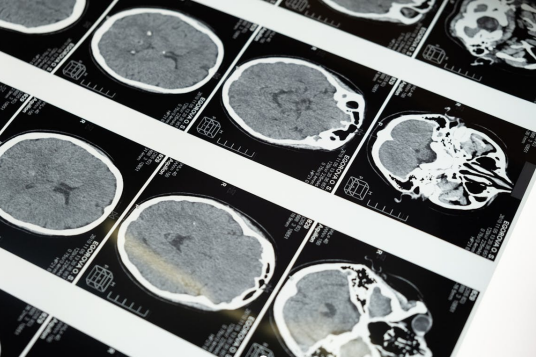
Medical documentation forms the foundation of every brain injury claim, starting with emergency room records that capture initial symptoms and continuing through ongoing treatment records that track symptom progression. Brain imaging studies — CT scans, MRIs, or specialized neurological testing — provide objective evidence of physical damage, though many significant brain injuries don’t show up on standard imaging. This creates a documentation challenge where medical professionals must rely on clinical observations and standardized cognitive testing to establish injury severity.
Expert witness testimony becomes essential because brain injuries involve complex medical concepts that juries struggle to understand without professional explanation. Neurologists, neuropsychologists, and vocational rehabilitation experts help translate medical findings into practical terms, explaining how specific brain damage affects memory, decision-making, or emotional regulation. These experts also provide crucial testimony about long-term prognosis and lifetime care needs, which directly impacts compensation calculations.
Functional impact evidence often proves most persuasive with juries because it demonstrates real-world consequences of the injury. This includes employment records showing decreased performance or inability to maintain previous responsibilities, testimony from family members about personality changes or daily living challenges, and documentation of increased care needs or safety concerns. Before-and-after comparisons carry particular weight: employment evaluations, academic transcripts, or even social media posts that show clear differences in cognitive functioning or personality before and after the accident.
The challenge lies in gathering this evidence systematically while the victim recovers from their injury. Many brain injury survivors struggle with organization and memory, making it difficult to maintain detailed records of symptoms and limitations. Family members often need to take responsibility for documenting changes in behavior, keeping medical appointment records, and maintaining communication with legal and medical professionals. Creating a comprehensive evidence file requires months of careful documentation, but this thoroughness often determines whether a claim succeeds or fails in establishing appropriate compensation for lifetime needs.
Challenges and Misconceptions in Brain Injury Legal Cases
The most significant challenge in brain injury litigation stems from the invisible nature of most symptoms, which creates skepticism among insurance adjusters, opposing counsel, and even juries who expect dramatic, visible injuries in major accident cases. Unlike broken bones or surgical scars, cognitive impairments and personality changes can’t be photographed or demonstrated easily in court, leaving brain injury victims vulnerable to accusations of malingering or exaggeration.
Mild traumatic brain injury cases face particular scrutiny because the term “mild” misleads people into assuming minimal long-term consequences. Medical professionals use “mild” to describe the severity of the initial trauma — typically brief loss of consciousness or confusion — not the long-term impact on daily functioning. Someone with a “mild” traumatic brain injury might struggle with memory, concentration, or emotional regulation for years, but insurance companies often use the “mild” designation to minimize settlement offers. This terminology disconnect creates one of the most common misconceptions in brain injury law.
Pre-existing conditions complicate brain injury claims when accident victims have histories of depression, anxiety, learning disabilities, or prior head injuries. Insurance companies aggressively investigate medical histories, arguing that current symptoms existed before the accident or that pre-existing vulnerabilities make the victim more susceptible to injury than a “normal” person would be. However, the legal standard generally holds that defendants must take victims as they find them — if someone with a pre-existing condition suffers additional harm in an accident, the responsible party remains liable for that additional harm.
Delayed symptom onset creates another misconception that weakens otherwise valid claims. Many people assume that serious injuries manifest immediately, so when brain injury symptoms emerge weeks or months after an accident, there’s natural skepticism about causation. Medical evidence shows that brain swelling and inflammation can mask damage initially, with symptoms becoming apparent only as the brain heals and victims attempt to return to normal activities. Establishing this medical timeline requires expert testimony and careful documentation of when specific symptoms first appeared.
The financial pressure to settle quickly compounds these challenges because brain injury victims often face mounting medical bills and lost income while their cases develop. Insurance companies exploit this vulnerability by making early settlement offers that seem substantial but fall far short of lifetime care costs. Understanding these tactical challenges helps families make informed decisions about legal representation and settlement timing, rather than accepting inadequate compensation due to financial pressure or misconceptions about claim validity.
Types of Compensation and Protections Available for Brain Injury Victims
Brain injury compensation encompasses multiple categories designed to address both immediate financial needs and long-term care requirements, though the complexity of calculating these damages often requires specialized legal and medical expertise to ensure comprehensive coverage.
Economic damages include quantifiable financial losses like medical expenses, rehabilitation costs, lost wages, and diminished earning capacity. Brain injury cases often involve substantial future medical costs that must be calculated based on expert medical testimony about treatment needs, medication requirements, and potential complications over the victim’s lifetime. Lost earning capacity calculations consider not just current income but career advancement opportunities that the injury might prevent, making these assessments particularly complex for younger victims or those in rapidly advancing fields.
Non-economic damages compensate for pain and suffering, loss of enjoyment of life, and emotional distress — categories that prove especially significant in brain injury cases where cognitive changes affect fundamental aspects of personality and daily experience. These damages recognize that someone who can no longer enjoy hobbies, maintain relationships, or experience life with their previous cognitive capacity has suffered losses beyond financial calculation. Quantifying these subjective losses requires careful documentation of how the injury affects specific activities and relationships the victim previously valued.
Specialized protection programs provide additional safety nets beyond standard personal injury compensation. Workers’ compensation covers brain injuries occurring during employment, though these benefits often limit the victim’s right to sue employers directly. Social Security Disability benefits may apply for those unable to maintain substantial employment, though the application process can take months or years. Veterans’ benefits provide comprehensive coverage for service-connected brain injuries, including specialized treatment facilities and long-term disability payments.
Family protection considerations address the ripple effects of brain injury on spouses, children, and other dependents who may need to provide increased care or supervision. Some states recognize claims for loss of consortium, compensating spouses for the loss of companionship, affection, and support that brain injuries often cause. In cases involving severe injuries requiring constant supervision, family members may recover compensation for providing care services they wouldn’t otherwise need to perform.
Understanding these compensation categories helps families advocate for comprehensive settlements that address long-term needs rather than accepting quick resolutions focused only on immediate expenses. The goal is creating financial security that supports the victim’s highest possible quality of life while acknowledging that no amount of money truly compensates for permanent cognitive changes. For families navigating these complex decisions, the intersection of legal rights and practical care needs requires careful planning that extends far beyond the resolution of any individual lawsuit.