
When Insurers Say No: Denials, Wind Damage, and Disputes in Texas
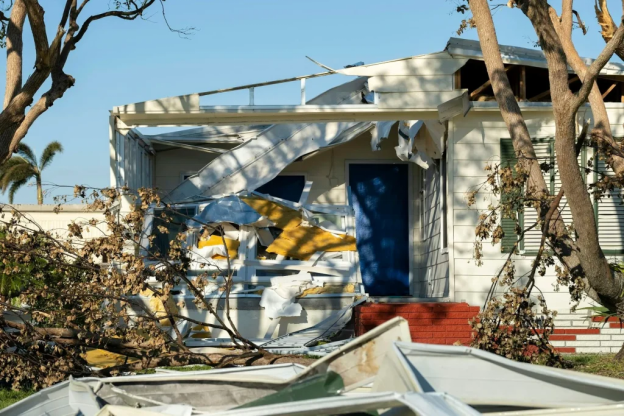
You pay your premiums for years, a storm tears through your property, you file a claim and the insurer says no. Or worse, it says yes but offers a fraction of what the repairs actually cost. For Texas property owners, a denied or underpaid claim is one of the most demoralizing experiences imaginable, precisely because it arrives at the moment of greatest need. The good news is that a denial is not the end of the road. Understanding why insurers say no, and what you can do about it, puts the power back in the policyholder’s hands.
This article is general information, not legal advice, but it explains how denials and disputes work in Texas and how owners push back.
Why insurers deny and underpay claims
Insurance companies don’t deny claims at random. There’s usually a stated reason, even if that reason is questionable. Common grounds include an alleged exclusion (the damage was caused by something the policy doesn’t cover), a claim of pre-existing damage or wear and tear, an argument that the owner failed to maintain the property, a late report of the loss, or insufficient documentation.
Underpayment is even more common than outright denial, and often harder to spot. An insurer may acknowledge the claim but value it far below the true cost of repair, apply heavy depreciation, or attribute part of the damage to a non-covered cause. Because a partial payment feels like cooperation, many owners accept it without realizing how much they’ve left on the table. Recognizing that a denial or a lowball offer is a position to be challenged not a final verdict is the essential first shift in mindset.
Wind and hail: a Texas specialty
Few perils generate more disputes in Texas than wind and hail. North Texas in particular endures some of the most punishing hailstorms in the nation, and wind damage from storms and hurricanes is a perennial problem statewide. These claims are contentious for specific reasons.
Wind and hail policies frequently carry their own separate deductibles, often calculated as a percentage of the insured value and far larger than the standard deductible. Insurers also dispute causation aggressively, arguing that a damaged roof was already deteriorating, that hail dents are cosmetic rather than functional, or that the damage predates the storm. The result is that legitimate, expensive damage gets minimized or denied. Owners facing that fight often consult a wind damage claims lawyer texas property owners rely on to counter the insurer’s causation arguments with independent evidence of what the storm actually did.
read more : Important Questions to Ask During a Divorce Case
Challenging a denial
A denial letter should never be the last word. The first step is to read it carefully and identify the exact reason given, because the path forward depends entirely on the basis for the denial. From there, the policy language controls and it often supports the owner more than the insurer’s letter suggests.
Owners have several tools. They can request a re-inspection, supply additional documentation, obtain independent estimates from contractors and engineers, and formally dispute the insurer’s findings. Many policies contain an appraisal clause, a mechanism for resolving disagreements over the amount of a loss through neutral appraisers. And when an insurer’s denial appears to violate Texas law, an insurance denial lawyer texas can evaluate whether the company breached its obligations and what additional remedies may apply. A surprising number of denials are reversed or substantially increased once an owner pushes back with evidence and persistence.
When a dispute becomes a legal matter
If informal efforts don’t resolve the disagreement, the dispute can escalate. Texas law gives policyholders meaningful leverage here. The Insurance Code prohibits unfair claim-settlement practices, and prompt-payment provisions require insurers to handle and pay claims within set deadlines, with consequences for violations. These statutes exist to level a playing field that naturally tilts toward the insurer.
In larger metropolitan areas, where storm claims arrive in waves and the dollar amounts can be substantial, these disputes are common. A property damage dispute attorney handling Dallas-area claims, for instance, will often deal with high-value commercial and residential losses where an insurer’s underpayment runs into six figures. The decision to formally pursue a claim isn’t about being litigious; it’s about enforcing a contract the owner already paid for.
The role of documentation and timing
Every successful challenge rests on the same foundation: evidence and timeliness. Photographs and video taken before any repair, independent inspection reports, contractor estimates, weather data confirming a storm event, and a careful log of communications with the insurer all strengthen an owner’s position. The more thoroughly a loss is documented, the harder it is for an insurer to dispute the cause and extent of the damage.
Timing is just as critical. Policies impose deadlines for reporting losses and submitting proof, and Texas law limits how long an owner has to file suit over a disputed claim. An owner who waits too long can lose the right to challenge even a clearly wrongful denial. Acting promptly preserves both the evidence and the legal options.
The psychology of a denial and how to respond
A denial letter is designed to feel final. It arrives on official letterhead, cites policy provisions, and carries the weight of a large institution’s authority. For an owner already stressed by property damage, that can be enough to end the matter which is precisely the outcome the letter is built to produce. Recognizing this is half the battle. A denial is one party’s interpretation of a contract, and interpretations can be wrong, incomplete, or simply self-serving.
The constructive response is methodical rather than emotional. Read the stated reason carefully, compare it against your actual policy language, gather independent evidence that addresses that specific reason, and respond in writing with documentation rather than argument. Many denials rest on assumptions that damage was pre-existing, that a cause was excluded, that maintenance was lacking and those assumptions crumble when confronted with photographs, inspection reports, and weather records. Owners who treat a denial as the opening of a conversation rather than the end of one are frequently surprised by how much room there is to move the insurer’s position.
Keeping perspective during a fight
A disputed claim can drag on, and the emotional fatigue is real. It helps to remember that the goal is not to win an argument but to recover what the policy owes, and that goal rewards steadiness over speed. Independent estimates, the appraisal process, and the protections of the Texas Insurance Code all give owners leverage that compounds over time. The insurer is counting on exhaustion; the owner’s best response is methodical persistence backed by evidence, which turns a one-sided standoff into a genuine negotiation.
The bottom line
A denied or underpaid claim feels like a closed door, but in Texas it rarely is. Insurers deny and minimize claims for a range of reasons some legitimate, many not and wind and hail damage in particular draws aggressive pushback. Property owners have real tools to fight back: re-inspections, independent estimates, the appraisal process, and the protections of the Texas Insurance Code. The owners who succeed are those who treat a denial as a starting point rather than a conclusion, document their losses meticulously, respect the deadlines, and hold their insurer to the promise it made when it sold the policy.